Drug lookup
Drug reference

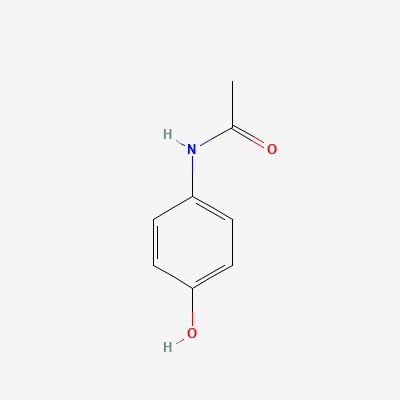
Paracetamol

Non-opioid analgesic · Analgesic

Also known as Acetaminophen, APAP
START
500–1,000 mg PO q6h PRN
TYPICAL MAX
4,000 mg/day (adult)
STOP IF
Severe hepatic impairment · chronic alcohol use
WATCH
LFTs · overdose risk (>4 g/24h)
CDSCO approvedVaries by formulation and strength (OTC for common doses, Schedule H for higher doses/injectables)Jan AushadhiNPPA price-controlledATC N02BE01
Dose laddermg/d
500single dose low1ktitrate3kmax4kadult ceiling
Renal dose adjustmenteGFR mL/min/1.73m²
FULLFull dose, no adjustment30CAUTIONExtend interval to q8h90

KDIGO 2024 + manufacturer label

Pharmacokineticsplasma · t hours
30minONSET1hPEAK2h6hDURATION
ONSET
30min · analgesic effect
PEAK
1h · Cmax
2h · plasma t½
DURATION
6h · single-dose effect
EXCRETION
Hepatic glucuronidation/sulfation · NAPQI
route + CYP
INTERACTIONS
12 major
incl. contraindicated
PREGNANCY
Category B — preferred analgesic across all trimesters
FDA category + note
Top interactionssee all 12
  • SulfasalazineContraindicatedTextbookG&G 14e · p1112
  • AlcoholSevereTextbook-citedKDT 7e · p950
  • AminoglycosideSevereTextbookKDT 7e · p746
  • AminoglycosidesSevereTextbookKDT 7e
Available in India

1,711 branded formulations and 5,576 fixed-dose combinations. Look up specific brands in the Drugs workspace.

Jan Aushadhi — generic available at GoI pharmacies

Mechanism

Primarily inhibits prostaglandin synthesis in the central nervous system (CNS), likely by reducing COX-1 and COX-2 activity in the brain and possibly through a COX-3 mechanism. It also modulates serotonergic descending pain pathways. This central action leads to antipyretic and analgesic effects, with minimal peripheral anti-inflammatory activity.

Indications

Mild to moderate pain (e.g., headache, muscle ache, menstrual pain, toothache, osteoarthritis)Feverheadachemild migrainemusculoskeletal paindysmenorrhoeaosteoarthritisantipyresis (especially in children)

Dosing

Adult
Oral: 500 mg to 1000 mg every 4-6 hours as needed. Intravenous: 1000 mg every 6 hours or 650 mg every 4 hours.
Pediatric
Oral: 10-15 mg/kg per dose every 4-6 hours as needed. Max 60 mg/kg/day or 4000 mg/day (whichever is less). Intravenous: 15 mg/kg every 6 hours or 12.5 mg/kg every 4 hours.
Renal adjustment
CrCl 10-50 mL/min: Administer every 6 hours. CrCl <10 mL/min: Administer every 8 hours.
Hepatic adjustment
Contraindicated in severe hepatic impairment. In moderate impairment, dose reduction and close monitoring are advised.
Geriatric
No specific dose adjustment for age alone; consider overall renal and hepatic function.
Max dose
(Pediatric: Max 75 mg/kg/day or 4000 mg/day, whichever is less)

Pharmacokinetics

Onset
Oral: 30-60 minutes. Intravenous: 5-10 minutes (analgesia), 30 minutes (antipyresis).
Peak effect
Oral: 0.5-2 hours. Intravenous: 1 hour.
Duration
4-6 hours
Half-life
1-4 hours (typically 2-3 hours in adults)
Bioavailability
Oral: 60-90% (dose-dependent)
Protein binding
10-25% at therapeutic concentrations
Metabolism
Primarily hepatic, via conjugation with glucuronic acid (45-55%) and sulfate (25-35%). A small portion is metabolized by cytochrome P450 enzymes (CYP2E1, CYP1A2, CYP3A4) to a toxic intermediate (NAPQI), which is detoxified by glutathione.
Excretion
Primarily renal (90-100% within 24 hours as conjugated metabolites)

Contraindications

  • Severe hepatic impairment or active liver disease
  • Hypersensitivity to paracetamol
  • premature infants (< 2 kg)

Side effects

Common
NauseaVomitingAbdominal painHeadacheInsomnianausea (occasionally)rashes (occasionally)leukopenia (rare)gastric irritation (insignificant)
Serious
  • Hepatotoxicity (especially with overdose)
  • Acute Kidney Injury (rare)
  • Severe skin reactions (Stevens-Johnson syndrome, toxic epidermal necrolysis, acute generalized exanthematous pustulosis)
  • Allergic reactions
  • Blood dyscrasias (e.g., thrombocytopenia, agranulocytosis - very rare)
  • hepatotoxicity
  • hepatic necrosis (from overdosage)
  • acute paracetamol poisoning (centrilobular hepatic necrosis, renal tubular necrosis, hypoglycaemia, coma, fatality)
  • hepatotoxicity (in chronic alcoholics even with 5–6 g)

Pregnancy & lactation

Pregnancy

Category B — preferred analgesic across all trimesters

Lactation

Excreted in breast milk in small amounts; generally considered compatible with breastfeeding when used at therapeutic doses.

Drug interactions

Sulfasalazine
Contraindicated
Textbook

Exacerbation of inflammatory bowel disease (IBD).

Avoid combining sulfasalazine with traditional NSAIDs.

Source: G&G 14e · p1112

Alcohol
Severe
Textbook-cited

Reduced threshold for paracetamol hepatotoxicity

Limit paracetamol to less than 3g/day in chronic alcohol users

Source: KDT 7e · p950

Aminoglycoside
Severe
Textbook

Increased risk of nephrotoxicity.

Avoid concurrent use.

Source: KDT 7e · p746

Aminoglycosides
Severe
Textbook

Increased aminoglycoside levels and potential toxicity.

Monitor aminoglycoside levels and renal function; adjust dosage as needed.

Source: KDT 7e

Anticoagulants
Severe
Textbook

Increased risk of gastrointestinal bleed.

Monitor for bleeding; consider alternative analgesics or gastroprotective agents.

Source: KDT 7e

Ciprofloxacin
Severe
Textbook

Enhanced CNS toxicity, seizures reported.

Source: KDT 7e

Citalopram
Severe
Textbook

Increased risk of gastrointestinal bleed.

Monitor for bleeding; consider gastroprotective agents or alternative analgesics.

Source: KDT 7e

Clopidogrel
Severe
Textbook

Increased bleeding risk.

Exercise extra caution and monitor for signs of bleeding.

Source: G&G 14e

Corticosteroids
Severe
Textbook

Increased risk of gastrointestinal bleed.

Monitor for bleeding; consider gastroprotective agents.

Source: KDT 7e

Cyclosporine
Severe
Textbook

Increased nephrotoxicity.

Avoid concomitant use or monitor renal function closely.

Source: KDT 7e

Dapoxetine
Severe
Textbook

Increased risk of gastrointestinal bleed.

Monitor for bleeding; consider gastroprotective agents or alternative analgesics.

Source: KDT 7e

Enalaprilat
Severe
Textbook

Reduced effectiveness of ACE inhibitors. Marked hyperkalemia, potentially leading to cardiac arrhythmia.

Use with caution, especially in the elderly and in patients with hypertension, diabetes mellitus, or ischemic heart disease.

Source: G&G 14e · p836

Related guidelines

Other Non-opioid analgesic drugs

Ask House about Paracetamol

Continue into a citation-backed clinical answer with the drug context already attached.

Sources: KD Tripathi 7e, Katzung, BNF, Harriet Lane·Verified: 2026-05-17 · House clinical team·Cockpit curated: 2026-05-16