Drug lookup
Drug reference

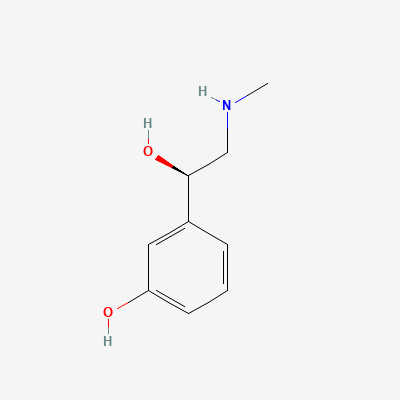
Phenylephrine

Alpha-1 adrenergic receptor agonist (sympathomimetic) / decongestant / vasopressor · Decongestant, Vasopressor, Mydriatic

Also known as Phenylephrine Hydrochloride, Neo-Synephrine
START
Nasal: 0.25-1% spray, 2-3 sprays q4h PRN; limit to 3 days max (rebound congestion). Oral: 10 mg q4h PRN. IV: 100 mcg/min, titrate to MAP >65
TYPICAL MAX
Oral: 60 mg/day; Nasal: max 3 days; IV: titrate to effect
STOP IF
Severe hypertension (SBP >180), chest pain, arrhythmias, nasal use >3 days (rebound congestion)
WATCH
BP (systemic use), nasal symptoms (rebound congestion with prolonged use), HR, signs of ischemia
CDSCO approvedSchedule H (for injectable and some higher-strength oral/ophthalmic preparations), otherwise OTC for many lower-strength decongestant nasal sprays and oral formulations.Jan AushadhiATC C01CA06 (vasopressor); R01BA03 (nasal decongestant); S01FB01 (mydriatic)
Dose laddermg/d
0.25start10titrate60ceiling
Renal dose adjustmenteGFR mL/min/1.73m²
FULLNo renal adjustment needed090

KDIGO 2024 + manufacturer label

Pharmacokineticsplasma · t hours
15minONSET1.5hPEAK2.5h5hDURATION
ONSET
15min · Nasal: minutes; Oral: 15-30 min
PEAK
1.5h · Oral: 1-2 hours
2.5h · 2-3 hours
DURATION
5h · 4-6 hours
EXCRETION
Renal (sulfate conjugates)
route + CYP
INTERACTIONS
12 major
incl. contraindicated
PREGNANCY
Avoid in first trimester; use with caution in second/third trimester; may reduce uterine blood flow
FDA category + note
Top interactionssee all 12
  • MaoisContraindicatedDatabaseKimi deep-research + Cla
  • AmitriptylineSevereDatabaseDDInter
  • AmoxapineSevereDatabaseDDInter
  • ClomipramineSevereDatabaseDDInter
Available in India

11 branded formulations and 147 fixed-dose combinations. Look up specific brands in the Drugs workspace.

Jan Aushadhi — generic available at GoI pharmacies

Mechanism

Direct-acting sympathomimetic amine that selectively stimulates alpha-1 adrenergic receptors on vascular smooth muscle, causing vasoconstriction. When used topically (nasal), this reduces nasal mucosal blood flow and congestion. When used IV, it increases systemic vascular resistance and BP. Minimal beta-adrenergic activity.

Indications

Nasal congestion (topical or oral decongestant)Hypotension / shock (IV vasopressor)Mydriasis (ophthalmic)Hemorrhoids (rectal)Priapism (off-label, intracavernosal)

Dosing

Adult
Nasal: 0.25-1% spray, 2-3 sprays per nostril q4h PRN (max 3 days). Oral: 10 mg q4h PRN (max 60 mg/day). IV: 100-180 mcg/min infusion, titrate to BP. Ophthalmic: 1 drop 2.5-10% solution
Pediatric
Nasal: >6 years: 0.25% spray 2-3 sprays q4h. <6 years: 0.125% solution. Oral: not recommended <12 years
Renal adjustment
No adjustment needed
Hepatic adjustment
No adjustment needed
Geriatric
Use with caution; increased sensitivity to hypertension and arrhythmias
Max dose
Oral: 60 mg/day; Nasal: max 3 days continuous use (rebound congestion)

Pharmacokinetics

Onset
Nasal: minutes; Oral: 15-30 minutes; IV: immediate
Peak effect
Oral: 1-2 hours; IV: immediate
Duration
Nasal: 4-6 hours; Oral: 4-6 hours; IV: 15-20 minutes after stopping
Half-life
2-3 hours
Bioavailability
Oral: ~38% (extensive first-pass metabolism)
Protein binding
Not well characterized
Metabolism
Hepatic MAO (monoamine oxidase) and sulfotransferase (SULT1A3)
Excretion
Renal (primarily as sulfate conjugates)

Contraindications

  • Hypersensitivity to phenylephrine
  • Severe hypertension
  • Severe coronary artery disease
  • Narrow-angle glaucoma (systemic use)
  • Hyperthyroidism
  • Concurrent MAOI use (within 14 days)
  • Pheochromocytoma

Side effects

Common
Nasal: burning, stinging, dryness, sneezingSystemic: hypertension, headache, nervousness, dizziness, insomnia, nauseaOphthalmic: transient stinging, blurred vision, photophobia
Serious
  • Severe hypertension / hypertensive crisis
  • Arrhythmias
  • Myocardial ischemia
  • Stroke (rare)
  • Rebound nasal congestion (rhinitis medicamentosa with >3 days use)
  • Severe allergic reactions

Pregnancy & lactation

Pregnancy

Avoid in first trimester; use with caution in second/third trimester; may reduce uterine blood flow

Lactation

Excretion in breast milk unknown; likely minimal with nasal/topical use; use caution with oral/IV forms

Drug interactions

Maois
Contraindicated
Database

MAO inhibition prevents phenylephrine metabolism; hypertensive crisis risk

Avoid within 14 days of MAOI use

Source: Kimi deep-research + Cla

Amitriptyline
Severe
Database

Drug interaction classified as: synergy.

Source: DDInter

Amoxapine
Severe
Database

Drug interaction classified as: synergy

Source: DDInter

Clomipramine
Severe
Database

Drug interaction classified as: synergy

Source: DDInter

Desipramine
Severe
Database

Clinical effect not specified

Source: DDInter

Dihydroergotamine
Severe
Database

Clinical effect not specified

Source: DDInter

Doxepin
Severe
Database

Clinical effect not specified

Source: DDInter

Ergometrine
Severe
Database

Clinical effect not specified

Source: DDInter

Ergotamine Tartrate
Severe
Database

Drug interaction classified as: synergy

Source: DDInter

Halothane
Severe
Database

Clinical effect not specified

Source: DDInter

Imipramine
Severe
Database

Clinical effect not specified

Source: DDInter

Isocarboxazid
Severe
Database

Clinical effect not specified

Source: DDInter

Related guidelines

Ask House about Phenylephrine

Continue into a citation-backed clinical answer with the drug context already attached.

Sources: KD Tripathi 7e, Goodman & Gilman 14e, Katzung, BNF·Verified: 2026-05-19 · House clinical team·Cockpit curated: 2026-05-19