Drug lookup
Drug reference

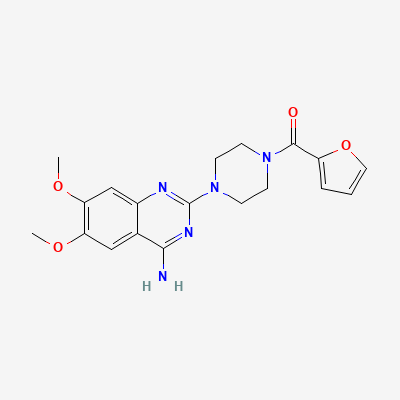
Prazosin

Selective alpha-1 adrenoceptor antagonist · Antihypertensive, Benign prostatic hyperplasia treatment
START
0.5–1 mg at bedtime (first-dose effect); PTSD 1 mg nocte
TYPICAL MAX
20 mg/day (HTN); titrate slowly
STOP IF
Recurrent syncope or intolerable orthostasis
WATCH
Postural BP, first-dose hypotension, IFIS if cataract surgery planned
CDSCO approvedSchedule HATC C02CA01
Dose laddermg/d
1start (bedtime)6titrate20max/day40ceiling
Renal dose adjustmenteGFR mL/min/1.73m²
FULLUsual dosing; titrate to BP30CAUTIONStart low, titrate cautiously90

KDIGO 2024 + manufacturer label

Pharmacokineticsplasma · t hours
2hONSET2.5hPEAK2.5h12hDURATION
ONSET
2h · BP onset
PEAK
2.5h · Cmax
2.5h · plasma t½
DURATION
12h · effect duration
EXCRETION
Hepatic metabolism; mainly biliary, <10% renal
route + CYP
INTERACTIONS
5 major
incl. contraindicated
PREGNANCY
Use only if clearly needed — limited human data; not first-line
FDA category + note
Top interactionssee all 10
  • HydralazineContraindicatedTextbookKDT 7e · p571
  • Pde5 InhibitorsSevereDatabaseKimi deep-research + Cla
  • SilodosinSevereDatabaseDDInter
  • Sodium OxybateSevereDatabaseDDInter
Available in India

58 branded formulations. Look up specific brands in the Drugs workspace.

Mechanism

Competitively blocks postsynaptic alpha-1 adrenoceptors, relaxing arteriolar and venous smooth muscle (reduced peripheral resistance) and prostatic/bladder-neck smooth muscle. Central alpha-1 blockade underlies its efficacy in PTSD-related nightmares.

Indications

HypertensionBenign prostatic hyperplasiaPTSD-associated nightmares (off-label, well established)Raynaud phenomenon (adjunct)

Dosing

Adult
Hypertension: 0.5–1 mg PO at bedtime (first-dose), titrate to 2–20 mg/day in 2–3 divided doses. PTSD nightmares: 1 mg at night, titrate to 3–15 mg.
Pediatric
0.05–0.1 mg/kg/day divided (specialist).
Renal adjustment
Initiate at low dose; no formal mg adjustment but titrate cautiously.
Hepatic adjustment
Use with caution; lower starting dose (extensive hepatic metabolism).
Geriatric
Start 0.5 mg at night; heightened first-dose hypotension/fall risk.
Max dose
20 mg/day (hypertension); some sources up to 40 mg/day specialist

Pharmacokinetics

Onset
~2 h (BP)
Peak effect
2–3 h
Duration
~10–24 h
Half-life
2–3 h
Bioavailability
~50–70%
Protein binding
~95%
Metabolism
Extensive hepatic (demethylation/conjugation)
Excretion
Mainly biliary/faecal; <10% renal

Contraindications

  • Hypersensitivity to prazosin or quinazolines
  • Caution: history of micturition/postural syncope

Side effects

Common
First-dose orthostatic hypotension/syncopeDizziness, headacheDrowsiness, fatigueNasal congestionPalpitations
Serious
  • Severe first-dose syncope
  • Priapism (rare)
  • Intraoperative floppy iris syndrome

Pregnancy & lactation

Pregnancy

Use only if clearly needed — limited human data; not first-line

Lactation

Limited data; small amounts in milk — caution

Drug interactions

Hydralazine
Contraindicated
Textbook

Potentially excessive vasodilatation and compensatory effects.

Avoid combination.

Source: KDT 7e · p571

Pde5 Inhibitors
Severe
Database

Additive vasodilation → symptomatic hypotension

Stable alpha-blocker dose, low PDE5i dose, separate timing

Source: Kimi deep-research + Cla

Silodosin
Severe
Database

Increased risk of orthostatic hypotension, dizziness, and syncope due to additive alpha-adrenergic blockade.

Concomitant use with other alpha-blockers is contraindicated due to the risk of severe hypotension. If a change in alpha-blocker is needed, ensure a washout period.

Source: DDInter

Sodium Oxybate
Severe
Database

Clinical effect not specified

Source: DDInter

Tizanidine
Severe
Database

Clinical effect not specified

Source: DDInter

Atenolol
Moderate
Database

Increased antihypertensive effect.

This combination is often used to achieve better blood pressure control and manage reflex tachycardia from alpha-1 blockers.

Source: DDInter

Clonidine
Moderate
Database

Reduced antihypertensive efficacy of both

Avoid combination.

Source: DDInter

Nadolol
Moderate
Database

Increased antihypertensive effect.

This combination is often used to achieve better blood pressure control and manage reflex tachycardia from alpha-1 blockers.

Source: DDInter

Pindolol
Moderate
Database

Increased antihypertensive effect.

This combination is often used to achieve better blood pressure control and manage reflex tachycardia from alpha-1 blockers.

Source: DDInter

Propranolol
Moderate
Database

Increased antihypertensive effect.

This combination is often used to achieve better blood pressure control and manage reflex tachycardia from alpha-1 blockers.

Source: DDInter

2 additional low-confidence interactions hidden — those rows lack a documented mechanism or management plan in our sources.

Related guidelines

Ask House about Prazosin

Continue into a citation-backed clinical answer with the drug context already attached.

Sources: KD Tripathi 7e, Goodman & Gilman 14e, BNF·Verified: 2026-05-19 · House clinical team·Cockpit curated: 2026-05-19