Drug lookup
Drug reference

Pyrazinamide

First-line antitubercular agent (synthetic pyrazine analog of nicotinamide) · Antimycobacterial

Also known as PZA
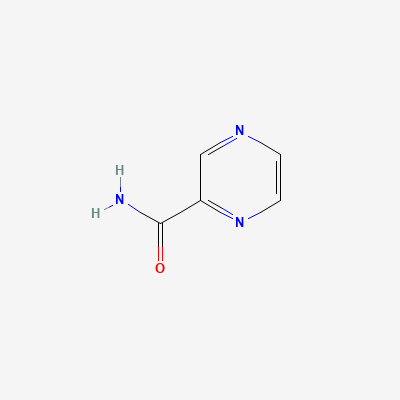
START
Baseline LFTs, uric acid. Verify not acute gout. Counsel on hepatotoxicity symptoms (jaundice, dark urine, fatigue). ALWAYS used in combination (never monotherapy).
TYPICAL MAX
2g/day. Intensive phase only (first 2 months). Discontinue after intensive phase—continuation phase uses only rifampicin + isoniazid.
STOP IF
ALT/AST >3x ULN with symptoms or >5x ULN asymptomatic, severe arthralgia with gout, severe rash, SJS/TEN.
WATCH
LFTs monthly (more frequent with hepatic risk factors). Uric acid—arthralgia is common but usually not gout; treat symptomatically if needed. Photosensitivity—sun protection. Hepatotoxicity risk additive with rifampicin and isoniazid—all three together carry highest risk.
CDSCO approvedSchedule HJan AushadhiNPPA price-controlledATC J04AK01
Dose laddermg/d
500Low daily dose1ktitrate1.5ktitrate2kMax daily4kceiling
Renal dose adjustmenteGFR mL/min/1.73m²
FULLStandard dosing30REDUCE25-35mg/kg 3x/week (not…10REDUCE25mg/kg 3x…90

KDIGO 2024 + manufacturer label

Pharmacokineticsplasma · t hours
30minONSET1.5hPEAK9.5h1dDURATION
ONSET
30min · Onset ~30 min
PEAK
1.5h · Tmax 1-2 hours
9.5h · t½ ~9-10 hours
DURATION
1d · 24 hours (QD)
EXCRETION
Renal as metabolites (~70%)
route + CYP
INTERACTIONS
6 major
SEVERE in our sources
PREGNANCY
Safe in pregnancy—no teratogenic effects. Hyperuricemia risk may be higher; monitor uric acid. Essential component of standard TB regimens in pregnancy.
FDA category + note
Top interactionssee all 8
  • LeflunomideSevereDatabaseDDInter
  • LomitapideSevereDatabaseDDInter
  • MipomersenSevereDatabaseDDInter
  • PexidartinibSevereDatabaseDDInter
Available in India

75 branded formulations. Look up specific brands in the Drugs workspace.

Jan Aushadhi — generic available at GoI pharmacies

Mechanism

Converted by mycobacterial pyrazinamidase to pyrazinoic acid, which accumulates in acidic environments (macrophage phagolysosomes, caseous granulomas) and disrupts membrane transport and energy production. Uniquely effective against semi-dormant bacilli in acidic environments—sterilizing activity.

Indications

Tuberculosis (active disease—first-line, intensive phase only)Latent tuberculosis infection (short-course regimens—in combination)

Dosing

Adult
Active TB: 20-25mg/kg PO daily (max 2g) or 50-75mg/kg 2-3x/week (DOT, max 3-4g). Intensive phase only (first 2 months of therapy). Take with rifampicin and isoniazid.
Pediatric
30-40mg/kg/day PO (max 2g) or 50mg/kg 2x/week. Intensive phase only.
Renal adjustment
CrCl <30: 25-35mg/kg 3x/week (not daily); avoid accumulation.
Hepatic adjustment
Avoid in severe hepatic impairment; use with caution in chronic liver disease.
Geriatric
Use 15-20mg/kg; increased hepatotoxicity and hyperuricemia risk.
Max dose
2g/day (daily); 3-4g/dose (intermittent)

Pharmacokinetics

Onset
Sterilizing effect on dormant bacilli; clinical improvement 2-4 weeks
Peak effect
Tmax 1-2 hours; penetrates well into CSF (100% in inflamed meninges)
Duration
24 hours (QD dosing)
Half-life
~9-10 hours (variable; 2-10h in children; longer in renal impairment)
Bioavailability
~90%
Protein binding
~10%
Metabolism
Hepatic hydrolysis by pyrazinamidase to pyrazinoic acid (active), then oxidation to 5-hydroxypyrazinoic acid (inactive)
Excretion
~70% renal (metabolites); ~4% unchanged in urine

Contraindications

  • Acute hepatic disease or severe hepatic impairment
  • Acute gout (pyrazinamide raises uric acid)
  • Hypersensitivity to pyrazinamide
  • Porphyria

Side effects

Common
Hepatotoxicity (dose-dependent; usually reversible)Hyperuricemia / arthralgia (gout risk)Nausea and vomitingAnorexiaRashFever
Serious
  • Severe hepatotoxicity (can be fatal—risk increased with rifampicin co-therapy)
  • Severe gout / acute uric acid nephropathy
  • Thrombocytopenia
  • Sideroblastic anemia
  • Photosensitivity
  • SJS/TEN (rare)

Pregnancy & lactation

Pregnancy

Safe in pregnancy—no teratogenic effects. Hyperuricemia risk may be higher; monitor uric acid. Essential component of standard TB regimens in pregnancy.

Lactation

Compatible with breastfeeding; excreted in milk but infant receives subtherapeutic amounts. Continue breastfeeding.

Drug interactions

Leflunomide
Severe
Database

Clinical effect not specified

Source: DDInter

Lomitapide
Severe
Database

Clinical effect not specified

Source: DDInter

Mipomersen
Severe
Database

Clinical effect not specified

Source: DDInter

Pexidartinib
Severe
Database

Clinical effect not specified

Source: DDInter

Rifampicin
Severe
Database

.

Source: DDInter

Teriflunomide
Severe
Database

Clinical effect not specified

Source: DDInter

Rifampicin + Isoniazid
Moderate
Database

Standard combination (RIPE regimen); additive hepatotoxicity risk. All three first-line drugs together carry highest risk of liver injury.

Use together as standard; monitor LFTs monthly. Do not add other hepatotoxic drugs.

Source: Kimi deep-research + Cla

Zidovudine
Moderate
Database

Additive myelosuppression and hepatotoxicity risk in HIV-TB co-infected patients.

Monitor CBC and LFTs closely; consider alternative antiretroviral.

Source: Kimi deep-research + Cla

4 additional low-confidence interactions hidden — those rows lack a documented mechanism or management plan in our sources.

Related guidelines

Ask House about Pyrazinamide

Continue into a citation-backed clinical answer with the drug context already attached.

Sources: KD Tripathi 7e, Goodman & Gilman 14e, Harrison 22e, Katzung·Verified: 2026-05-19 · House clinical team·Cockpit curated: 2026-05-19