Drug lookup
Drug reference

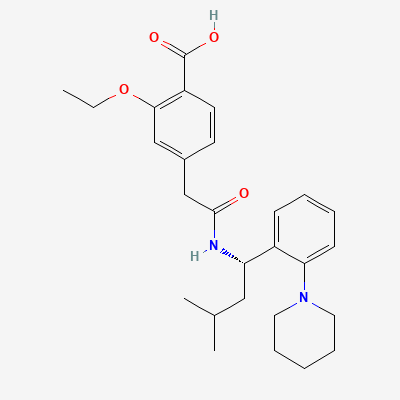
Repaglinide

Meglitinide (non-sulfonylurea insulin secretagogue) · Antidiabetic
START
Confirm type 2 diabetes. Verify not type 1 or DKA. Counsel on taking WITH meals (within 30 min before eating) and SKIPPING dose if meal skipped. Baseline LFTs.
TYPICAL MAX
4mg per meal (16mg/day). Hypoglycemia is dose-limiting. In elderly, start 0.5mg and titrate slowly.
STOP IF
Severe or recurrent hypoglycemia, hepatotoxicity (LFTs >3x ULN), severe hypersensitivity, pregnancy.
WATCH
Blood glucose monitoring before meals. HbA1c every 3 months. Hypoglycemia risk increases with missed/delayed meals, alcohol, exercise, renal impairment, and hepatic impairment. Weight gain (~2-3kg) is common. Flexible dosing allows patients to skip doses when meals are skipped—advantage over sulfonylureas.
CDSCO approvedSchedule HATC A10BX02
Dose laddermg/d
0.5start1titrate2Step-up per meal4Max per meal
Renal dose adjustmenteGFR mL/min/1.73m²
FULLNo adjustment (hepatically cleared); preferred in CKD15CAUTIONUse with caution…90

KDIGO 2024 + manufacturer label

Pharmacokineticsplasma · t hours
30minONSET45minPEAK1h5hDURATION
ONSET
30min · Insulin secretion within 30 min
PEAK
45min · Tmax 0.5-1 hour
1h · t½ ~1 hour
DURATION
5h · 4-6 hours (prandial)
EXCRETION
Fecal as metabolites (~90%)
route + CYP
INTERACTIONS
12 major
incl. contraindicated
PREGNANCY
Not recommended in pregnancy—insulin is preferred for glycemic control. Animal data show no teratogenicity at therapeutic doses.
FDA category + note
Top interactionssee all 12
  • GemfibrozilContraindicatedDatabaseKimi deep-research + Cla
  • CinoxacinSevereDatabaseDDInter
  • CiprofloxacinSevereDatabaseDDInter
  • ClopidogrelSevereDatabaseDDInter
Available in India

65 branded formulations. Look up specific brands in the Drugs workspace.

Mechanism

Blocks ATP-sensitive potassium (KATP) channels on pancreatic beta-cell membranes, causing membrane depolarization, calcium influx, and insulin secretion. Rapid onset and short duration—stimulates prandial insulin secretion. Closes KATP channels at a different binding site than sulfonylureas.

Indications

Type 2 diabetes mellitus (prandial glucose lowering)Combination with metformin when monotherapy inadequate

Dosing

Adult
0.5-4mg PO taken 0-30 minutes before each meal (TID). Start 0.5-1mg before meals if HbA1c <8%; start 1-2mg if HbA1c ≥8%. Titrate by 1mg per meal every 1-2 weeks. Max 4mg per meal (16mg/day). Skip dose if meal skipped.
Pediatric
Not established in children.
Renal adjustment
No adjustment needed (hepatically metabolized); preferred over sulfonylureas in renal impairment.
Hepatic adjustment
Mild-moderate: use caution; start at 0.5mg. Severe: contraindicated.
Geriatric
Start 0.5mg before meals; increased hypoglycemia risk; monitor glucose closely.
Max dose
4mg per meal; 16mg/day

Pharmacokinetics

Onset
Rapid; insulin secretion within 30 minutes
Peak effect
Tmax 0.5-1 hour; peak insulin at 1 hour; peak glucose lowering at 1-2 hours
Duration
4-6 hours (short-acting; covers prandial glucose only)
Half-life
~1 hour (very short; enables flexible meal timing)
Bioavailability
~56%
Protein binding
>98% (albumin)
Metabolism
Extensive hepatic via CYP2C8 (major) and CYP3A4 to inactive metabolites
Excretion
~90% fecal (metabolites); ~8% renal (metabolites); <1% unchanged in urine

Contraindications

  • Type 1 diabetes mellitus
  • Diabetic ketoacidosis
  • Severe hepatic impairment
  • Hypersensitivity to repaglinide
  • Concomitant gemfibrozil (markedly increases repaglinide levels)

Side effects

Common
Hypoglycemia (most common—dose and meal-timing dependent)Upper respiratory infectionHeadacheNauseaDiarrheaBack painArthralgia
Serious
  • Severe hypoglycemia (can cause seizures, coma, death)
  • Hepatotoxicity (elevated LFTs)
  • Severe hypersensitivity
  • Cardiovascular events (controversial—meglitinides may have less CV benefit than other agents)
  • Pancreatitis (rare)

Pregnancy & lactation

Pregnancy

Not recommended in pregnancy—insulin is preferred for glycemic control. Animal data show no teratogenicity at therapeutic doses.

Lactation

Excretion in breast milk unknown; not recommended during breastfeeding.

Drug interactions

Gemfibrozil
Contraindicated
Database

CYP2C8 inhibition → massive repaglinide rise, severe hypoglycaemia

Absolute contraindication — do not co-administer

Source: Kimi deep-research + Cla

Cinoxacin
Severe
Database

Drug interaction classified as: antagonism

Source: DDInter

Ciprofloxacin
Severe
Database

Drug interaction classified as: antagonism.

Source: DDInter

Clopidogrel
Severe
Database

Drug interactions with repaglinide, potentially increasing its concentration and effect.

Monitor for altered effects of repaglinide if coadministration is necessary.

Source: DDInter

Cyclosporine
Severe
Database

Potentiation of repaglinide's action, increasing risk of hypoglycemia.

Source: DDInter

Delafloxacin
Severe
Database

Clinical effect not specified

Source: DDInter

Enoxacin
Severe
Database

Clinical effect not specified

Source: DDInter

Gatifloxacin
Severe
Database

Clinical effect not specified

Source: DDInter

Gemifloxacin
Severe
Database

Clinical effect not specified

Source: DDInter

Grepafloxacin
Severe
Database

Clinical effect not specified

Source: DDInter

Levofloxacin
Severe
Database

.

Source: DDInter

Lomefloxacin
Severe
Database

Clinical effect not specified

Source: DDInter

Related guidelines

Ask House about Repaglinide

Continue into a citation-backed clinical answer with the drug context already attached.

Sources: KD Tripathi 7e, Goodman & Gilman 14e, BNF·Verified: 2026-05-19 · House clinical team·Cockpit curated: 2026-05-19