Drug lookup
Drug reference

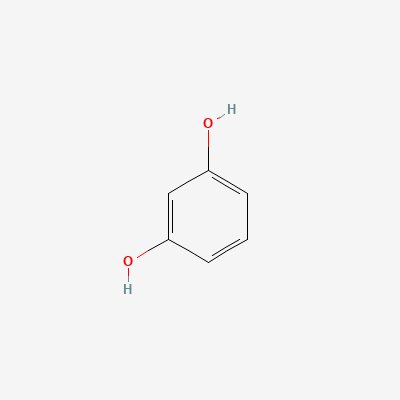
resorcinol

Topical keratolytic / antiseptic (dihydroxybenzene) · Keratolytic, Antiseptic, Antifungal
START
Topical 2–10% in combined acne preparation 1–3 times daily
TYPICAL MAX
Limit total area / concentration to avoid systemic absorption
STOP IF
Methaemoglobinaemia, severe contact dermatitis, or hypothyroid signs
WATCH
Skin reaction, treatment area extent (avoid large/inflamed surfaces)
CDSCO approvedATC D10AX02
Dose laddermg/d
2low %10high %
Renal dose adjustmenteGFR mL/min/1.73m²
FULLNo dose adjustment (topical)90

KDIGO 2024 + manufacturer label

Pharmacokineticsplasma · t hours
1hONSET4hPEAK1h12hDURATION
ONSET
1h · local effect
PEAK
4h · local peak
1h · if absorbed
DURATION
12h · re-apply
EXCRETION
Renal — conjugates if absorbed
route + CYP
INTERACTIONS
none in our sources
PREGNANCY
Avoid extensive use; small localised acne use likely acceptable.
FDA category + note

Mechanism

Topical keratolytic (softens cornified epidermis) with mild antiseptic and anti-itch effects; small-molecule phenol derivative that disrupts microbial proteins at higher concentrations.

Indications

Acne (topical, combined formulations)Seborrhoeic dermatitis (scalp)Mild psoriasis (older use)Tinea / mild fungal skin infection (adjunct, historical)

Dosing

Adult
Topical 2–10% in combined acne preparations applied 1–3 times daily; scalp 2–3% in shampoos.
Pediatric
Avoid <12 years on large areas.
Renal adjustment
No adjustment (topical).
Hepatic adjustment
No adjustment (topical).
Geriatric
Standard topical use.
Max dose
Limit total area / concentration to avoid systemic absorption

Pharmacokinetics

Onset
Local keratolytic effect over days
Peak effect
Local; sustained while applied
Duration
Re-apply 1–3 times daily
Half-life
Not applicable (topical; rapid hepatic conjugation if absorbed)
Bioavailability
Low percutaneous; increases with broken skin
Protein binding
Low
Metabolism
Hepatic glucuronidation/sulphation if absorbed
Excretion
Renal (conjugates)

Contraindications

  • Application to large/inflamed/broken skin (systemic absorption — methaemoglobinaemia)
  • Infants / young children (myxoedema risk)
  • Hypersensitivity

Side effects

Common
Local irritation/erythemaDrynessBrown discolouration of skin/hairItching
Serious
  • Methaemoglobinaemia (extensive absorption)
  • Antithyroid effect / myxoedema (chronic large-area use)
  • Severe contact dermatitis

Pregnancy & lactation

Pregnancy

Avoid extensive use; small localised acne use likely acceptable.

Lactation

Avoid on chest/breast; small localised use otherwise.

Drug interactions

Other Keratolytics
Moderate
Database

Additive irritation

Use one keratolytic at a time

Source: Kimi deep-research + Cla

Topical Retinoids
Moderate
Database

Additive irritation

Alternate days or separate timing

Source: Kimi deep-research + Cla

Tretinoin
Moderate
Database

Concurrent use of topical tretinoin and resorcinol can lead to increased skin irritation, dryness, and redness.

Use with caution. If both are necessary, consider alternating application times or reducing the frequency of one or both agents. Monitor for excessive irritation and adjust accordingly.

Source: DDInter

Drugs Causing Methaemoglobinaemia
Mild
Database

Theoretical with extensive absorption

Avoid extensive co-use

Source: Kimi deep-research + Cla

Other Antiseptics
Mild
Database

Possible additive effect/irritation

Avoid stacking

Source: Kimi deep-research + Cla

Topical Antibiotics
Mild
Database

Acne combo regimens (intended)

Standard combination

Source: Kimi deep-research + Cla

Related guidelines

Ask House about resorcinol

Continue into a citation-backed clinical answer with the drug context already attached.

Sources: KD Tripathi 7e·Verified: 2026-05-20 · House clinical team·Cockpit curated: 2026-05-20