Drug lookup
Drug reference

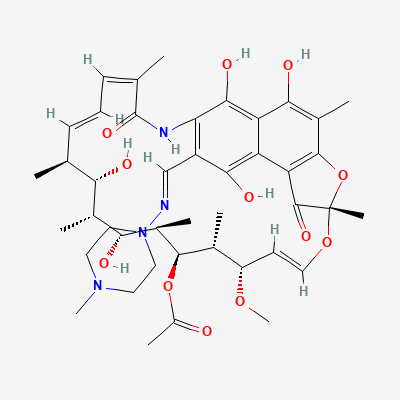
Rifampicin

Rifamycin antibiotic / antitubercular / enzyme inducer · Antitubercular

Also known as Rifampin
START
TB: 10 mg/kg OD (max 600 mg) as part of standard 4-drug regimen; take on empty stomach if tolerated; review all medications for interactions
TYPICAL MAX
600 mg/day continuous; 1200 mg intermittent (supervised)
STOP IF
Jaundice, LFTs >3x ULN with symptoms, severe rash, thrombocytopenia (<100,000)
WATCH
LFTs monthly, symptom review, sputum smear/culture, INR if on warfarin, effectiveness of hormonal contraceptives, all co-prescribed drugs for interactions
CDSCO approvedSchedule HJan AushadhiNPPA price-controlledATC J04AB02
Dose laddermg/d
300start450titrate600max1.2kceiling
Renal dose adjustmenteGFR mL/min/1.73m²
FULLNo renal adjustment needed - hepatically metabolized090

KDIGO 2024 + manufacturer label

Pharmacokineticsplasma · t hours
45minONSET3hPEAK3.5h1dDURATION
ONSET
45min · absorption onset
PEAK
3h · Peak plasma concentration
3.5h · Short half-life; auto-induction over 2 weeks
DURATION
1d · Once-daily dosing for TB
EXCRETION
Biliary/fecal (major); renal (~30%)
route + CYP
INTERACTIONS
12 major
incl. contraindicated
PREGNANCY
Compatible with pregnancy for TB treatment; benefits outweigh risks; use with INH and pyridoxine
FDA category + note
Top interactionssee all 12
  • Artemether + LumefantrineContraindicatedDatabaseKimi deep-research + Cla
  • Protease InhibitorsContraindicatedDatabaseKimi deep-research + Cla
  • ChloramphenicolSevereTextbook-citedKDT 7e · p949
  • DesogestrelSevereTextbook-citedKDT 7e · p949
Available in India

54 branded formulations and 210 fixed-dose combinations. Look up specific brands in the Drugs workspace.

Jan Aushadhi — generic available at GoI pharmacies

Mechanism

Binds to beta-subunit of bacterial DNA-dependent RNA polymerase, inhibiting transcription initiation. Bactericidal against Mycobacterium tuberculosis, M. leprae, and many Gram-positive and some Gram-negative organisms. Potent inducer of hepatic CYP450 enzymes (1A2, 2C9, 2C19, 3A4) and P-glycoprotein.

Indications

Tuberculosis (first-line, as part of combination therapy)Leprosy (as part of MDT)Methicillin-resistant Staphylococcus aureus (MRSA) colonizationProphylaxis of meningococcal disease and Haemophilus influenzae type bBrucellosis (combination therapy)Legionnaires' disease (combination therapy)

Dosing

Adult
TB: 10 mg/kg (max 600 mg) OD or intermittent dosing per regimen. Leprosy: 600 mg monthly (MDT). MRSA: 600 mg BD x 5 days. Meningococcal prophylaxis: 600 mg BD x 2 days
Pediatric
TB: 15 mg/kg (max 600 mg) OD. Meningococcal prophylaxis: 10 mg/kg BD x 2 days (max 600 mg)
Renal adjustment
No adjustment needed; hepatically metabolized
Hepatic adjustment
Avoid or use with extreme caution in severe hepatic impairment; may worsen liver function
Geriatric
Standard dosing; monitor hepatic function closely
Max dose
600 mg/day (usual max); 1200 mg/day intermittent dosing under supervision

Pharmacokinetics

Onset
Days to weeks (for TB treatment)
Peak effect
2-4 hours (Tmax)
Duration
24 hours
Half-life
2-5 hours (auto-induction shortens half-life over first 2 weeks)
Bioavailability
~70%
Protein binding
80%
Metabolism
Hepatic deacetylation to active metabolite 25-desacetylrifampicin; potent CYP450 inducer
Excretion
Biliary/fecal (major, as unchanged drug and metabolites); renal (~30%)

Contraindications

  • Hypersensitivity to rifamycins
  • Concurrent use with most protease inhibitors (saquinavir, ritonavir)
  • Concurrent use with certain hepatitis C antivirals
  • Acute porphyria (may precipitate attacks)
  • Jaundice or cholestasis

Side effects

Common
Orange-red discoloration of body fluids (urine, tears, sweat, saliva - harmless)NauseaVomitingAnorexiaAbdominal painDiarrheaHeadacheFlu-like symptoms (with intermittent high-dose)
Serious
  • Hepatotoxicity (dose-related; especially with INH)
  • Thrombocytopenia
  • Acute renal failure (interstitial nephritis)
  • Hypersensitivity reactions
  • Pseudomembranous colitis
  • Severe skin reactions
  • Orange staining of contact lenses

Pregnancy & lactation

Pregnancy

Compatible with pregnancy for TB treatment; benefits outweigh risks; use with INH and pyridoxine

Lactation

Excreted in breast milk in small amounts; compatible with breastfeeding; infant should receive pyridoxine if mother on INH

Drug interactions

Artemether + Lumefantrine
Contraindicated
Database

Significantly reduces artemether and lumefantrine exposure, risking treatment failure

Avoid concurrent use; choose alternative antimalarial

Source: Kimi deep-research + Cla

Protease Inhibitors
Contraindicated
Database

Complex bidirectional interaction; may lead to therapeutic failure of both drugs

Avoid concurrent use; consult guidelines for alternatives

Source: Kimi deep-research + Cla

Chloramphenicol
Severe
Textbook-cited

Reduced chloramphenicol efficacy

Avoid concurrent use or increase dose with monitoring

Source: KDT 7e · p949

Desogestrel
Severe
Textbook-cited

Contraceptive failure

Advise alternative or higher-dose contraception

Source: KDT 7e · p949

Ethinylestradiol
Severe
Textbook-cited

Contraceptive failure

Advise alternative or higher-dose contraception

Source: KDT 7e · p949

Glibenclamide
Severe
Textbook-cited

Loss of glycemic control; hyperglycemia

Increase sulfonylurea dose or switch to non-interacting agent

Source: KDT 7e · p949

Gliclazide
Severe
Textbook-cited

Loss of glycemic control; hyperglycemia

Increase sulfonylurea dose or switch to non-interacting agent

Source: KDT 7e · p949

Glimepiride
Severe
Textbook-cited

Loss of glycemic control; hyperglycemia

Increase sulfonylurea dose or switch to non-interacting agent

Source: KDT 7e · p949

Glipizide
Severe
Textbook-cited

Loss of glycemic control; hyperglycemia

Increase sulfonylurea dose or switch to non-interacting agent

Source: KDT 7e · p949

Levonorgestrel
Severe
Textbook-cited

Contraceptive failure

Advise alternative or higher-dose contraception

Source: KDT 7e · p949

Metronidazole
Severe
Textbook-cited

Loss of therapeutic efficacy of metronidazole.

Avoid concurrent use or increase dose with monitoring

Source: KDT 7e · p949

Norethisterone
Severe
Textbook-cited

Contraceptive failure

Advise alternative or higher-dose contraception

Source: KDT 7e · p949

Related guidelines

Ask House about Rifampicin

Continue into a citation-backed clinical answer with the drug context already attached.

Sources: KD Tripathi 7e, Goodman & Gilman 14e, Katzung, BNF·Verified: 2026-05-19 · House clinical team·Cockpit curated: 2026-05-19