Drug lookup
Drug reference

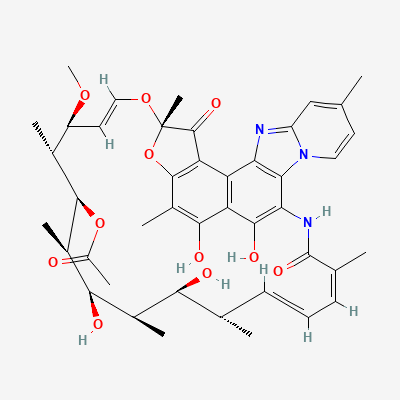
Rifaximin

Rifamycin-derived antibiotic (non-aminoglycoside, non-systemic) · Antibiotic

Also known as Rifaximin alfa
START
Traveler's diarrhea: 200 mg TDS x 3 days. HE: 550 mg BD ongoing. IBS-D: 550 mg TDS x 14 days
TYPICAL MAX
1650 mg/day
STOP IF
Bloody diarrhea, fever (suggests invasive pathogen), severe allergic reaction
WATCH
Diarrhea characteristics (ensure non-invasive), response to treatment, C. difficile if recurrent diarrhea
CDSCO approvedSchedule HATC A07AA11
Dose laddermg/d
200start550titrate1.65kceiling
Renal dose adjustmenteGFR mL/min/1.73m²
FULLNo adjustment needed - minimal systemic absorption090

KDIGO 2024 + manufacturer label

Pharmacokineticsplasma · t hours
23minONSET1.5hPEAK6h1dDURATION
ONSET
23min · absorption onset
PEAK
1.5h · Minimal systemic peak
6h · Systemic half-life (irrelevant - local action)
DURATION
1d · Duration of gut transit provides coverage
EXCRETION
Fecal (>97%, mostly unchanged)
route + CYP
INTERACTIONS
none in our sources
PREGNANCY
Animal studies show no harm; limited human data - use if benefits outweigh risks
FDA category + note
Available in India

322 branded formulations. Look up specific brands in the Drugs workspace.

Mechanism

Binds to beta-subunit of bacterial DNA-dependent RNA polymerase, inhibiting transcription and protein synthesis. Bactericidal against Gram-positive and Gram-negative aerobes and anaerobes. Poor oral absorption results in high gut lumen concentrations with minimal systemic exposure.

Indications

Traveler's diarrhea (non-invasive E. coli)Hepatic encephalopathy (prevention of recurrence)Irritable bowel syndrome with diarrhea (IBS-D)Small intestinal bacterial overgrowth (SIBO) - off-label

Dosing

Adult
Traveler's diarrhea: 200 mg TDS for 3 days. Hepatic encephalopathy: 550 mg BD. IBS-D: 550 mg TDS for 14 days
Pediatric
>12 years: 200 mg TDS for 3 days (traveler's diarrhea); <12 years: not recommended
Renal adjustment
No adjustment needed; minimal systemic absorption
Hepatic adjustment
No adjustment needed; minimal systemic exposure
Geriatric
Standard dosing
Max dose
1650 mg/day (550 mg TDS)

Pharmacokinetics

Onset
24-48 hours (symptom improvement)
Peak effect
1-2 hours (Tmax for minimal systemic absorption)
Duration
Duration of gut transit
Half-life
~6 hours (systemic; minimal relevance due to local action)
Bioavailability
<0.4% (virtually non-absorbed)
Protein binding
67.5%
Metabolism
Minimal systemic metabolism; locally metabolized in gut
Excretion
Fecal (>97% unchanged)

Contraindications

  • Hypersensitivity to rifamycins (rifampicin, rifabutin, rifapentine)
  • Diarrhea with bloody stools or fever (suspected invasive pathogens)

Side effects

Common
NauseaFlatulenceAbdominal painConstipationHeadachePeripheral edema (hepatic encephalopathy dosing)
Serious
  • C. difficile-associated diarrhea
  • Severe allergic reactions (rare)
  • Angioedema (rare)
  • Anaphylaxis (rare)

Pregnancy & lactation

Pregnancy

Animal studies show no harm; limited human data - use if benefits outweigh risks

Lactation

Minimal systemic absorption makes transfer to breast milk unlikely; compatible with breastfeeding

Drug interactions

Amiodarone
Moderate
Database

Increased systemic absorption and exposure to rifaximin, potentially leading to increased risk of rifaximin-related systemic adverse effects.

Monitor for systemic adverse effects of rifaximin, especially in patients with impaired liver function. The clinical significance of increased systemic rifaximin exposure is generally low due to its poor absorption, but caution is warranted with P-gp inhibitors.

Clarithromycin
Moderate
Database

Increased systemic absorption and exposure to rifaximin, potentially leading to increased risk of rifaximin-related systemic adverse effects.

Monitor for systemic adverse effects of rifaximin, especially in patients with impaired liver function. The clinical significance of increased systemic rifaximin exposure is generally low due to its poor absorption, but caution is warranted with P-gp inhibitors.

Cyclosporine
Moderate
Database

Despite minimal absorption, rifaximin may increase cyclosporine levels via P-gp inhibition in gut

Monitor cyclosporine levels when co-prescribing

Source: Kimi deep-research + Cla

Diltiazem
Moderate
Database

Increased systemic absorption and exposure to rifaximin, potentially leading to increased risk of rifaximin-related systemic adverse effects.

Monitor for systemic adverse effects of rifaximin, especially in patients with impaired liver function. The clinical significance of increased systemic rifaximin exposure is generally low due to its poor absorption, but caution is warranted with P-gp inhibitors.

Ketoconazole
Moderate
Database

Increased systemic absorption and exposure to rifaximin, potentially leading to increased risk of rifaximin-related systemic adverse effects.

Monitor for systemic adverse effects of rifaximin, especially in patients with impaired liver function. The clinical significance of increased systemic rifaximin exposure is generally low due to its poor absorption, but caution is warranted with P-gp inhibitors.

Quinidine
Moderate
Database

Increased systemic absorption and exposure to rifaximin, potentially leading to increased risk of rifaximin-related systemic adverse effects.

Monitor for systemic adverse effects of rifaximin, especially in patients with impaired liver function. The clinical significance of increased systemic rifaximin exposure is generally low due0 to its poor absorption, but caution is warranted with P-gp inhibitors.

Ritonavir
Moderate
Database

Increased systemic absorption and exposure to rifaximin, potentially leading to increased risk of rifaximin-related systemic adverse effects.

Monitor for systemic adverse effects of rifaximin, especially in patients with impaired liver function. The clinical significance of increased systemic rifaximin exposure is generally low due to its poor absorption, but caution is warranted with potent P-gp inhibitors.

Verapamil
Moderate
Database

Increased systemic absorption and exposure to rifaximin, potentially leading to increased risk of rifaximin-related systemic adverse effects.

Monitor for systemic adverse effects of rifaximin, especially in patients with impaired liver function. The clinical significance of increased systemic rifaximin exposure is generally low due to its poor absorption, but caution is warranted with P-gp inhibitors.

4 additional low-confidence interactions hidden — those rows lack a documented mechanism or management plan in our sources.

Related guidelines

Ask House about Rifaximin

Continue into a citation-backed clinical answer with the drug context already attached.

Sources: Goodman & Gilman 14e, Katzung, BNF, Nelson·Verified: 2026-05-19 · House clinical team·Cockpit curated: 2026-05-19