Drug lookup
Drug reference

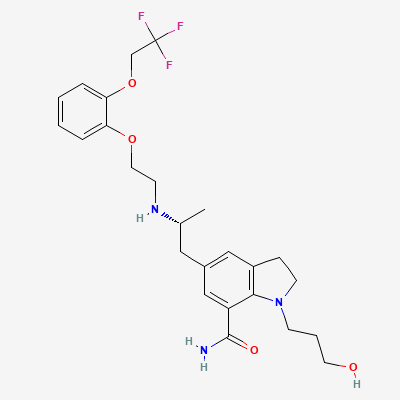
Silodosin

Alpha-1 adrenergic receptor antagonist (alpha-blocker) · Drug for Benign Prostatic Hyperplasia

START
8 mg OD with food; counsel on retrograde ejaculation risk; check baseline BP (seated and standing); advise first dose at bedtime
TYPICAL MAX
8 mg/day
STOP IF
Severe hypotension, syncope, priapism, severe allergic reaction
WATCH
IPSS score at 4-8 weeks, BP (orthostatic), ejaculatory function, cataract surgery planning (warn ophthalmologist if on silodosin)
CDSCO approvedSchedule HATC G04CA04
Dose laddermg/d
4start8ceiling
Renal dose adjustmenteGFR mL/min/1.73m²
FULL8 mg OD standard50REDUCE4 mg OD (US); contraind…30AVOIDContraindicated (EU) / not recommend…90

KDIGO 2024 + manufacturer label

Pharmacokineticsplasma · t hours
38minONSET2.5hPEAK13.3h1dDURATION
ONSET
38min · absorption onset
PEAK
2.5h · Peak plasma concentration
13.3h · 13.3 hours
DURATION
1d · 24-hour coverage
EXCRETION
Fecal (55%); renal (34%, metabolites)
route + CYP
INTERACTIONS
12 major
incl. contraindicated
PREGNANCY
Not indicated for use in women; no data in pregnancy
FDA category + note
Top interactionssee all 12
  • ClarithromycinContraindicatedDatabaseDDInter
  • ItraconazoleContraindicatedDatabaseDDInter
  • KetoconazoleContraindicatedDatabaseKimi deep-research + Cla
  • RitonavirContraindicatedDatabaseDDInter
Available in India

135 branded formulations and 87 fixed-dose combinations. Look up specific brands in the Drugs workspace.

Mechanism

Selective antagonist at alpha-1A adrenergic receptors (highly selective for alpha-1A vs alpha-1B), which predominate in the prostate, bladder neck, and urethra. Relaxation of smooth muscle in these areas improves urine flow and reduces BPH symptoms with minimal effect on vascular alpha-1B receptors (reducing orthostatic hypotension risk).

Indications

Benign prostatic hyperplasia (BPH) - treatment of signs and symptoms

Dosing

Adult
8 mg once daily with food
Pediatric
Not recommended under 18 years
Renal adjustment
eGFR 30-50: 4 mg OD (US); eGFR <30: contraindicated (EU) / not recommended (US)
Hepatic adjustment
Mild–moderate hepatic: no dose adjustment. Severe (Child-Pugh ≥10): CONTRAINDICATED (FDA §8.7) — Kimi's 'mild-moderate 4 mg' conflated the renal dose.
Geriatric
Standard dosing; increased risk of orthostatic hypotension and ejaculatory dysfunction
Max dose
8 mg/day

Pharmacokinetics

Onset
Hours to days (symptom improvement)
Peak effect
2.5 hours (Tmax)
Duration
24 hours
Half-life
13.3 hours
Bioavailability
32% (food increases)
Protein binding
96.6%
Metabolism
Hepatic CYP3A4 (major) and alcohol/aldehyde dehydrogenases (glucuronidation and oxidation)
Excretion
Fecal (54.9%); renal (33.5%, primarily as metabolites)

Contraindications

  • Hypersensitivity to silodosin
  • Severe hepatic impairment (Child-Pugh C)
  • Severe renal impairment (eGFR <30 mL/min) (contraindicated in EU, caution in US)
  • Concurrent use with potent CYP3A4 inhibitors
  • Concurrent use with other alpha-blockers
  • Hypotension / orthostatic hypotension

Side effects

Common
Retrograde ejaculation / anejaculation (most characteristic - 20-30%)DizzinessOrthostatic hypotensionNasal congestion / rhinitisDiarrheaHeadache
Serious
  • Syncope (first-dose phenomenon)
  • Priapism (rare)
  • Severe hypotension
  • Angioedema (rare)
  • Intraoperative floppy iris syndrome (IFIS) during cataract surgery

Pregnancy & lactation

Pregnancy

Not indicated for use in women; no data in pregnancy

Lactation

Not indicated for use in women

Drug interactions

Clarithromycin
Contraindicated
Database

Significantly increased plasma concentrations of silodosin, leading to an increased risk of orthostatic hypotension and other dose-dependent adverse effects.

Concomitant use is contraindicated. An alternative alpha-blocker or antibiotic should be considered.

Source: DDInter

Itraconazole
Contraindicated
Database

Significantly increased plasma concentrations of silodosin, leading to an increased risk of orthostatic hypotension and other dose-dependent adverse effects.

Concomitant use is contraindicated. An alternative alpha-blocker or antifungal should be considered.

Source: DDInter

Ketoconazole
Contraindicated
Database

Potent CYP3A4 inhibition dramatically increases silodosin levels; severe hypotension risk

Avoid combination

Source: Kimi deep-research + Cla

Ritonavir
Contraindicated
Database

Significantly increased plasma concentrations of silodosin, leading to an increased risk of orthostatic hypotension and other dose-dependent adverse effects.

Concomitant use is contraindicated. An alternative alpha-blocker or antiretroviral should be considered.

Source: DDInter

Other Alpha Blockers
Contraindicated
Database

Additive alpha-blockade; severe hypotension and syncope risk

Do not combine with other alpha-blockers

Source: Kimi deep-research + Cla

Amprenavir
Severe
Database

Drug interaction classified as: metabolism

Source: DDInter

Atazanavir
Severe
Database

Drug interaction classified as: metabolism

Source: DDInter

Boceprevir
Severe
Database

Drug interaction classified as: metabolism

Source: DDInter

Ceritinib
Severe
Database

Drug interaction classified as: metabolism

Source: DDInter

Cobicistat
Severe
Database

Drug interaction classified as: metabolism

Source: DDInter

Conivaptan
Severe
Database

Drug interaction classified as: metabolism

Source: DDInter

Delavirdine
Severe
Database

Clinical effect not specified

Source: DDInter
Related guidelines

Ask House about Silodosin

Continue into a citation-backed clinical answer with the drug context already attached.

Sources: Goodman & Gilman 14e, Katzung·Verified: 2026-05-19 · House clinical team·Cockpit curated: 2026-05-19