Drug lookup
Drug reference

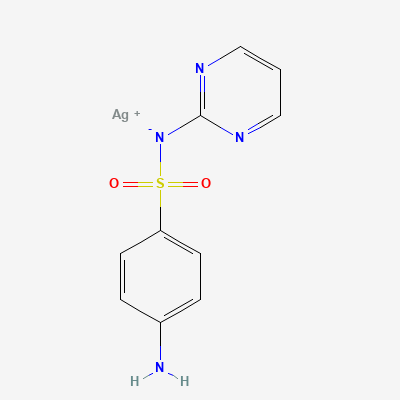
silver sulfadiazine

Topical antibacterial (sulfonamide–silver complex) · Topical antibacterial
START
Apply 1% cream 1.5–3 mm thick once–twice daily
TYPICAL MAX
Topical to burn area 1–2 times daily
STOP IF
Severe skin reaction, leukopenia, or systemic sulfonamide toxicity
WATCH
CBC if large area, signs of SJS; avoid in neonates/sulfa allergy
CDSCO approvedATC D06BA01
Dose laddermg/d
1OD apply2BID apply
Renal dose adjustmenteGFR mL/min/1.73m²
FULLTopical use acceptable; monitor if large area30CAUTIONCaution — absorbed sulfadiazine accu…90

KDIGO 2024 + manufacturer label

Pharmacokineticsplasma · t hours
15minONSET2hPEAK10h18hDURATION
ONSET
15min · local effect
PEAK
2h · local peak
10h · if absorbed
DURATION
18h · re-apply
EXCRETION
Renal — absorbed sulfadiazine fraction
route + CYP
INTERACTIONS
2 major
SEVERE in our sources
PREGNANCY
Avoid near term and on large areas (kernicterus risk); limited small-area use otherwise.
FDA category + note
Top interactionssee all 7
  • Nitrous AcidSevereDatabaseDDInter
  • PrilocaineSevereDatabaseDDInter

Mechanism

Releases silver ions that bind microbial DNA and cell membranes (broad bactericidal action) with adjunct sulfonamide effect; used topically to prevent/treat burn-wound infection.

Indications

Prevention and treatment of infection in second/third-degree burnsSelected infected wounds/ulcers

Dosing

Adult
Apply 1% cream 1.5–3 mm thick to cleaned burn 1–2 times daily under sterile technique; cover with dressing.
Pediatric
As adult topically (avoid neonates <2 months).
Renal adjustment
Large-area absorption — caution in renal impairment (sulfonamide/silver accumulation).
Hepatic adjustment
Caution with extensive use.
Geriatric
No specific topical adjustment.
Max dose
Topical to affected burn area 1–2 times daily

Pharmacokinetics

Onset
Local antibacterial effect on application
Peak effect
Local (sustained while in contact)
Duration
Re-apply every 12–24 h
Half-life
Not applicable (topical; sulfadiazine ~10 h if absorbed)
Bioavailability
Low (increased with large burn surface area)
Protein binding
Sulfadiazine moderate (if systemic)
Metabolism
Minimal (topical); hepatic if absorbed
Excretion
Renal (absorbed sulfadiazine fraction)

Contraindications

  • Near-term pregnancy, premature infants, neonates <2 months (kernicterus risk)
  • Sulfonamide hypersensitivity
  • G6PD deficiency (haemolysis — large areas)

Side effects

Common
Local burning/painPruritusRashTransient leukopenia (large-area use)
Serious
  • Significant systemic sulfonamide absorption (large burns) — SJS/TEN, blood dyscrasias
  • Argyria (prolonged extensive use)
  • Haemolysis (G6PD)
  • Kernicterus (neonates)

Pregnancy & lactation

Pregnancy

Avoid near term and on large areas (kernicterus risk); limited small-area use otherwise.

Lactation

Avoid in nursing mothers of infants <2 months; caution otherwise.

Drug interactions

Nitrous Acid
Severe
Database

Clinical effect not specified

Source: DDInter

Prilocaine
Severe
Database

Clinical effect not specified

Source: DDInter

Topical Proteolytic Enzyme Debriders
Moderate
Database

Silver inactivates enzymes

Do not combine on same wound

Source: Kimi deep-research + Cla

Povidone Iodine
Mild
Database

Reduced antimicrobial efficacy of both agents, potential skin staining.

Avoid concurrent use on the same site. If both are needed, apply sequentially with thorough rinsing in between, or use alternative agents.

Cimetidine
Mild
Database

Additive leukopenia risk

Monitor CBC if large area

Source: Kimi deep-research + Cla

Methotrexate
Mild
Database

Sulfonamide displacement (if absorbed)

Caution with large-area use

Source: Kimi deep-research + Cla

Oral Hypoglycaemics
Mild
Database

Sulfonamide potentiation (if absorbed)

Monitor glucose with extensive use

Source: Kimi deep-research + Cla

5 additional low-confidence interactions hidden — those rows lack a documented mechanism or management plan in our sources.

Related guidelines

Ask House about silver sulfadiazine

Continue into a citation-backed clinical answer with the drug context already attached.

Sources: KD Tripathi 7e·Verified: 2026-05-20 · House clinical team·Cockpit curated: 2026-05-20