Drug lookup
Drug reference

Sitagliptin

DPP-4 Inhibitor · Antidiabetic

Also known as Sitagliptin phosphate
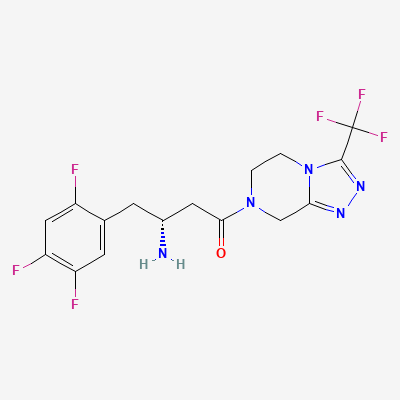
START
100 mg PO once daily
TYPICAL MAX
100 mg/day
STOP IF
Pancreatitis history · severe renal impairment without dose-cut
WATCH
Pancreatitis signs · joint pain · bullous pemphigoid (rare)
CDSCO approvedSchedule HJan AushadhiNPPA price-controlledATC A10BH01
Dose laddermg/d
25eGFR <3050eGFR 30-44100max
Renal dose adjustmenteGFR mL/min/1.73m²
FULLFull 100 mg dose45REDUCEReduce to 50 mg da…30REDUCEReduce to 25 mg daily (ESRD-compatibl…90

KDIGO 2024 + manufacturer label

Pharmacokineticsplasma · t hours
1hONSET2hPEAK12h1dDURATION
ONSET
1h · DPP-4 inhibition
PEAK
2h · Cmax
12h · plasma t½
DURATION
1d · once-daily dosing window
EXCRETION
79% renal unchanged · minimal CYP
route + CYP
INTERACTIONS
2 major
SEVERE in our sources
PREGNANCY
Category B — insulin preferred
FDA category + note
Top interactionssee all 6
  • BexaroteneSevereDatabaseDDInter
  • GatifloxacinSevereDatabaseDDInter
Available in India

112 branded formulations. Look up specific brands in the Drugs workspace.

Jan Aushadhi — generic available at GoI pharmacies

Mechanism

Sitagliptin inhibits dipeptidyl peptidase-4 (DPP-4), an enzyme that degrades incretin hormones like glucagon-like peptide-1 (GLP-1) and glucose-dependent insulinotropic polypeptide (GIP). By preventing DPP-4 from breaking down incretins, sitagliptin increases their active levels, leading to enhanced glucose-dependent insulin secretion from pancreatic beta cells and reduced glucagon secretion from alpha cells, thereby lowering blood glucose concentrations.

Indications

Adjunct to diet and exercise to improve glycemic control in adults with type 2 diabetes mellitus (monotherapy)Adjunct to diet and exercise to improve glycemic control in adults with type 2 diabetes mellitus in combination with metformin, sulfonylurea, thiazolidinedione, or insulin (combination therapy)Treatment of type 2 diabetestype 2 diabetes mellitus (adjunctive to metformin/SUs/pioglitazone or insulin)type 2 diabetes mellitus (monotherapy when metformin cannot be used)

Dosing

Adult
100 mg orally once daily, regardless of food.
Pediatric
Not recommended for use in pediatric patients younger than 18 years due to insufficient data on safety and efficacy.
Renal adjustment
eGFR ">= 45 mL/min/1.73 m^2: 100 mg once daily; eGFR >= 30 to < 45 mL/min/1.73 m^2: 50 mg once daily; eGFR < 30 mL/min/1.73 m^2 (including ESRD requiring dialysis): 25 mg once daily. For patients on dialysis, sitagliptin may be administered without regard to the timing of dialysis.…
Max dose
100 mg/day

Pharmacokinetics

Onset
Rapid
Peak effect
1 to 4 hours
Duration
Approximately 24 hours
Half-life
Approximately 12.4 hours
Bioavailability
Approximately 87%
Protein binding
Approximately 38%
Metabolism
Primarily via CYP3A4 and CYP2C8, but metabolism is limited. The major metabolites are minimally active and do not contribute significantly to the plasma DPP-4 inhibitory activity.
Excretion
Approximately 79% excreted unchanged in urine, with active tubular secretion contributing to renal excretion. A small portion is excreted in feces.

Contraindications

  • History of serious hypersensitivity reaction to sitagliptin (e.g., anaphylaxis, angioedema, exfoliative skin conditions)
  • Type 1 diabetes mellitus
  • Diabetic ketoacidosis

Side effects

Common
NasopharyngitisHeadacheUpper respiratory tract infectionDiarrheaNauseaConstipationArthralgialoose stoolsrashesallergic reactionsedemacough
Serious
  • Pancreatitis (acute)
  • Severe hypersensitivity reactions (e.g., anaphylaxis, angioedema, exfoliative skin conditions including Stevens-Johnson syndrome)
  • Bullous pemphigoid
  • Acute renal failure (sometimes requiring dialysis)
  • Severe and disabling arthralgia
  • Heart failure (rare, in patients with pre-existing cardiovascular risk factors)
  • Increased hospitalization for heart failure (with saxagliptin, other DPP-4s neutral on CV events, but this is a class effect warning)
  • Severe joint pain (rarely associated)
  • pancreatitis (rare)

Pregnancy & lactation

Pregnancy

Category B — insulin preferred

Lactation

Sitagliptin is excreted in the milk of lactating rats. It is not known whether sitagliptin is excreted in human milk. A decision should be made whether to discontinue nursing or to discontinue the drug, taking into account the importance of the drug to the mother and the potential risks to the infant.

Drug interactions

Bexarotene
Severe
Database

Drug interaction classified as: synergy

Source: DDInter

Gatifloxacin
Severe
Database

Clinical effect not specified

Source: DDInter

Insulin
Moderate
Textbook

Increased risk of hypoglycaemia.

Monitor blood glucose and consider dose adjustment of insulin if combination is used.

Source: KDT 7e · p274

Sulfonylureas
Moderate
Textbook

Increased risk of hypoglycaemia.

Monitor blood glucose and consider dose adjustment of sulfonylureas if combination is used.

Source: KDT 7e · p274

Glipizide
Moderate
Database

Increased risk of hypoglycemia beyond either agent alone.

Consider reducing glipizide dose by 50% when adding sitagliptin. Monitor blood glucose

Source: DDInter

Rifampicin
Moderate
Database

Reduced DPP-4i efficacy

Monitor glucose control.

6 additional low-confidence interactions hidden — those rows lack a documented mechanism or management plan in our sources.

Related guidelines

Other DPP-4 Inhibitor drugs

Ask House about Sitagliptin

Continue into a citation-backed clinical answer with the drug context already attached.

Sources: KD Tripathi 7e, Goodman & Gilman 14e, Katzung, BNF·Verified: 2026-05-16 · House clinical team·Cockpit curated: 2026-05-16