Drug lookup
Drug reference

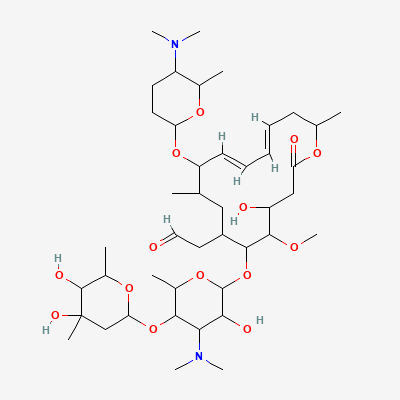
spiramycin

16-membered macrolide antibiotic · Antiprotozoal
START
Toxoplasmosis in pregnancy: 1 g PO three times daily
TYPICAL MAX
3 g (9 MIU)/day
STOP IF
Severe hypersensitivity, significant QT prolongation, or haemolysis
WATCH
GI tolerance; consider G6PD status; fetal infection follow-up
CDSCO approvedATC J01FA02
Dose laddermg/d
1kper dose3kmax/day
Renal dose adjustmenteGFR mL/min/1.73m²
FULLNo dose adjustment at any eGFR90

KDIGO 2024 + manufacturer label

Pharmacokineticsplasma · t hours
1hONSET2hPEAK6h8hDURATION
ONSET
1h · absorption
PEAK
2h · Tmax
6h ·
DURATION
8h · per dose
EXCRETION
Mainly biliary; minor renal
route + CYP
INTERACTIONS
1 major
SEVERE in our sources
PREGNANCY
Used in pregnancy for toxoplasmosis (preferred); generally considered safe.
FDA category + note
Top interactionssee all 5
  • Levodopa + CarbidopaSevereDatabaseKimi deep-research + Cla

Mechanism

Binds bacterial 50S ribosomal subunit, inhibiting protein synthesis; bacteriostatic against susceptible Gram-positive organisms and Toxoplasma gondii (placental concentration → fetal prophylaxis).

Indications

Acute toxoplasmosis in pregnancy (preventing transmission to fetus)Susceptible respiratory tract / ENT / skin infections (selected, where licensed)

Dosing

Adult
Toxoplasmosis in pregnancy: 1 g (3 MIU) PO three times daily, continued until delivery or until diagnostic clarification.
Pediatric
50,000–100,000 IU/kg/day in 2–3 divided doses.
Renal adjustment
No specific adjustment for usual oral dosing.
Hepatic adjustment
Caution in significant hepatic impairment.
Geriatric
No specific adjustment.
Max dose
3 g (9 MIU)/day

Pharmacokinetics

Onset
Antibacterial effect over hours
Peak effect
~1.5–3 h (Tmax)
Duration
~8 h
Half-life
~5–8 h
Bioavailability
~30–40%
Protein binding
~10–25%
Metabolism
Hepatic (limited)
Excretion
Mainly biliary; minor renal

Contraindications

  • Hypersensitivity to macrolides
  • Caution: prolonged QT/risk factors

Side effects

Common
Nausea/vomitingDiarrhoeaAbdominal painRash
Serious
  • QT prolongation (less than other macrolides)
  • Severe hypersensitivity reactions
  • Acute haemolysis (G6PD deficiency)

Pregnancy & lactation

Pregnancy

Used in pregnancy for toxoplasmosis (preferred); generally considered safe.

Lactation

Excreted in milk; usually compatible (monitor infant).

Drug interactions

Levodopa + Carbidopa
Severe
Database

Spiramycin reduces carbidopa absorption

Avoid combination

Source: Kimi deep-research + Cla

Qt Prolonging Drugs
Moderate
Database

Additive QT effect (less than other macrolides)

Monitor ECG if multiple QT drugs

Source: Kimi deep-research + Cla

Anticoagulants
Mild
Database

Possible mild INR effect

Monitor INR if used together

Source: Kimi deep-research + Cla

Combined Hormonal Contraceptives
Mild
Database

Minor reduced enterohepatic recycling (class)

Consider additional contraception

Source: Kimi deep-research + Cla

Other Macrolides
Mild
Database

Class hypersensitivity

Caution with macrolide allergy history

Source: Kimi deep-research + Cla

Related guidelines

Ask House about spiramycin

Continue into a citation-backed clinical answer with the drug context already attached.

Sources: KD Tripathi 7e, Goodman & Gilman 14e, Harrison 22e·Verified: 2026-05-20 · House clinical team·Cockpit curated: 2026-05-20