Drug lookup
Drug reference

sucroferric oxyhydroxide

Iron-based phosphate binder (non-calcium) · Phosphate-binding agent
START
500 mg iron PO three times daily with meals
TYPICAL MAX
3 g of iron/day (6 tablets)
STOP IF
Severe diarrhoea, suspected obstruction, or hypersensitivity
WATCH
Serum phosphate q2–4w; ferritin/iron status (rarely changes)
CDSCO approvedATC V03AE05
Dose laddermg/d
500per dose1.5kTID/day3kmax/day
Renal dose adjustmenteGFR mL/min/1.73m²
FULLIndicated for dialysis CKD; standard90

KDIGO 2024 + manufacturer label

Pharmacokineticsplasma · t hours
1dONSET1wPEAK36s8hDURATION
ONSET
1d · phosphate fall
PEAK
1w · 1-wk benefit
36s · not absorbed
DURATION
8h · TID
EXCRETION
Faecal — bound iron-phosphate complex
route + CYP
INTERACTIONS
none in our sources
PREGNANCY
Limited data; phosphate control may be needed.
FDA category + note

Mechanism

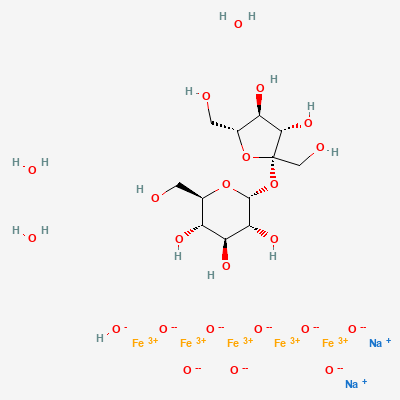
Polynuclear iron(III) oxyhydroxide stabilised on sucrose/starch — binds dietary phosphate in the gut by ligand exchange forming insoluble iron-phosphate; lowers serum phosphate in dialysis-dependent CKD with negligible iron absorption.

Indications

Hyperphosphataemia in adult dialysis-dependent chronic kidney disease

Dosing

Adult
500 mg of iron (1 tablet) PO three times daily with meals; titrate by 500 mg/day every 2–4 weeks based on phosphate; usual 1.5–3 g iron/day in divided doses.
Pediatric
Not established.
Renal adjustment
Indicated population is dialysis-dependent CKD.
Hepatic adjustment
No adjustment.
Geriatric
Standard dose; monitor for GI symptoms.
Max dose
3 g of iron/day (6 tablets)

Pharmacokinetics

Onset
Phosphate lowering within weeks
Peak effect
Local gut effect (sustained)
Duration
Meal-related (TID dosing)
Half-life
Not applicable (negligible absorption)
Bioavailability
Negligible iron absorption (<0.04%)
Protein binding
Not applicable
Metabolism
Not metabolised (acts in gut lumen)
Excretion
Faecal — bound iron-phosphate

Contraindications

  • Hypersensitivity
  • Iron overload syndromes (haemochromatosis, multiple transfusions) — caution
  • Caution: peritonitis on PD

Side effects

Common
DiarrhoeaDiscoloured (black) stoolsNauseaHyperphosphaturia (laboratory)
Serious
  • Iron overload (rare, theoretical)
  • Severe hypersensitivity
  • Bowel obstruction (rare)

Pregnancy & lactation

Pregnancy

Limited data; phosphate control may be needed.

Lactation

Minimal absorption — likely compatible.

Drug interactions

Bisphosphonates
Moderate
Database

Reduced absorption

Separate widely

Source: Kimi deep-research + Cla

Doxycycline
Moderate
Database

Iron-tetracycline chelation

Separate dosing

Source: Kimi deep-research + Cla

Fluoroquinolones
Moderate
Database

Iron-quinolone chelation

Separate by ≥2 h

Source: Kimi deep-research + Cla

Levothyroxine
Moderate
Database

Reduced thyroxine absorption

Separate by ≥4 h; monitor TSH

Source: Kimi deep-research + Cla

Other Phosphate Binders
Mild
Database

Combined phosphate binding (sometimes intended)

Adjust per phosphate response

Source: Kimi deep-research + Cla

Related guidelines

Ask House about sucroferric oxyhydroxide

Continue into a citation-backed clinical answer with the drug context already attached.

Sources: Goodman & Gilman 14e·Verified: 2026-05-20 · House clinical team·Cockpit curated: 2026-05-20