Drug lookup
Drug reference

Teneligliptin

Dipeptidyl peptidase-4 (DPP-4) inhibitor (gliptin) · Antidiabetic

Also known as Teneligliptin hydrobromide hydrate
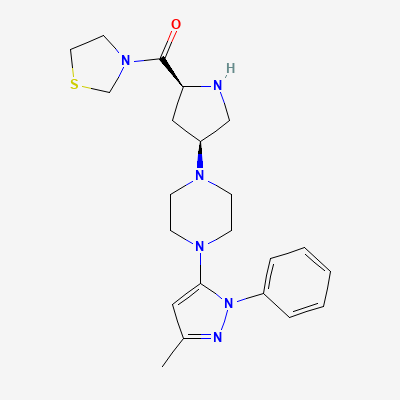
START
20 mg OD (fixed dose, no titration); can be taken with or without food; check baseline renal function and LFTs
TYPICAL MAX
20 mg OD (no dose escalation needed)
STOP IF
Signs of pancreatitis (severe abdominal pain, vomiting), severe joint pain, anaphylaxis
WATCH
HbA1c at 3-monthly intervals, signs of pancreatitis, renal function annually
CDSCO approvedSchedule HJan AushadhiNPPA price-controlledATC A10BH08
Renal dose adjustmenteGFR mL/min/1.73m²
FULL20 mg OD - no renal adjustment needed (primarily biliary excretion)090

KDIGO 2024 + manufacturer label

Pharmacokineticsplasma · t hours
20minONSET1.3hPEAK1.2d1dDURATION
ONSET
20min · absorption onset
PEAK
1.3h · Peak plasma concentration
1.2d · Long half-life (26-30 hours)
DURATION
1d · 24-hour coverage with once-daily dosing
EXCRETION
Fecal (~70%, mostly unchanged)
route + CYP
INTERACTIONS
none in our sources
PREGNANCY
Avoid in pregnancy; limited human data
FDA category + note
Available in India

331 branded formulations and 6 fixed-dose combinations. Look up specific brands in the Drugs workspace.

Jan Aushadhi — generic available at GoI pharmacies

Mechanism

Potent, selective, and long-acting DPP-4 inhibitor that prolongs the half-life of endogenous incretin hormones GLP-1 and GIP, enhancing glucose-dependent insulin secretion and suppressing glucagon release. Unique 'anchor-lock-domain' structure provides strong enzyme binding and slow dissociation.

Indications

Type 2 diabetes mellitus (monotherapy or in combination with metformin, sulfonylureas, or insulin)

Dosing

Adult
20 mg once daily (fixed dose, no titration needed)
Pediatric
Not recommended under 18 years
Renal adjustment
No dose adjustment required even in severe renal impairment (primarily biliary/fecal excretion)
Hepatic adjustment
No dose adjustment needed in mild-moderate hepatic impairment; limited data in severe
Geriatric
No dose adjustment based on age
Max dose
20 mg/day

Pharmacokinetics

Onset
Days (steady-state by day 5)
Peak effect
1.3 hours (Tmax)
Duration
24 hours
Half-life
26-30 hours (long-acting)
Bioavailability
~90%
Protein binding
75%
Metabolism
Hepatic (minimal; primarily CYP-metabolized to inactive metabolites; also excreted unchanged)
Excretion
Fecal (~70%, primarily unchanged); renal (~20%)

Contraindications

  • Hypersensitivity to teneligliptin

Side effects

Common
NasopharyngitisUpper respiratory tract infectionHeadacheConstipation
Serious
  • Acute pancreatitis (rare, class effect)
  • Severe joint pain (class effect, DPP-4 inhibitors)
  • Bullous pemphigoid (rare)
  • Anaphylaxis (rare)

Pregnancy & lactation

Pregnancy

Avoid in pregnancy; limited human data

Lactation

Excretion in breast milk unknown; avoid during breastfeeding

Drug interactions

Insulin
Moderate
Database

Additive hypoglycemia risk

Monitor for hypoglycemia; may need insulin dose reduction

Source: Kimi deep-research + Cla

Sulfonylureas
Moderate
Database

Additive glucose lowering increases hypoglycemia risk

Consider reducing sulfonylurea dose; monitor for hypoglycemia

Source: Kimi deep-research + Cla

Metformin
Mild
Database

Complementary mechanisms; no direct pharmacokinetic interaction

Standard and beneficial combination

Source: Kimi deep-research + Cla

No Significant Interactions
Mild
Database

Teneligliptin has a low potential for clinically significant drug-drug interactions due to its unique metabolic profile and lack of significant interaction with major drug metabolizing enzymes or transporters.

No specific dose adjustments or monitoring are generally required for teneligliptin when co-administered with other drugs. However, general caution is advised, especially with drugs having a narrow therapeutic index.

Cyp Inducers
Mild
Database

May reduce teneligliptin exposure

Monitor glycemic control; teneligliptin has wide therapeutic window

Source: Kimi deep-research + Cla

Cyp Inhibitors
Mild
Database

Minimal effect due to primarily non-CYP metabolism and biliary excretion

Generally no dose adjustment needed

Source: Kimi deep-research + Cla

Related guidelines

Other Dipeptidyl peptidase-4 (DPP-4) inhibitor (gliptin) drugs

Ask House about Teneligliptin

Continue into a citation-backed clinical answer with the drug context already attached.

Sources: Katzung·Verified: 2026-05-19 · House clinical team·Cockpit curated: 2026-05-19