Drug lookup
Drug reference

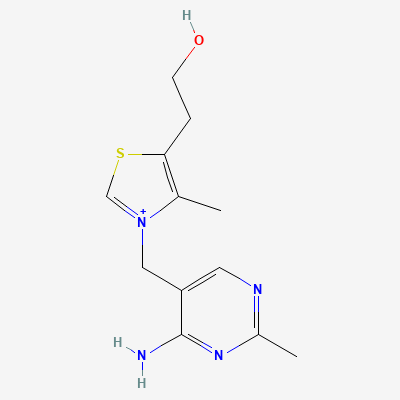
Thiamine

Water-soluble vitamin (B1) · Nutritional Supplement

Also known as Thiamine Hydrochloride, Vitamin B1
START
Wernicke: 500 mg IV TID × 2–3 days; at-risk prophylaxis 200–300 mg/day; give BEFORE glucose
TYPICAL MAX
No toxic ceiling; acute Wernicke up to ~1500 mg/day IV divided
STOP IF
Anaphylactoid reaction to parenteral thiamine
WATCH
Give thiamine before/with IV glucose in at-risk patients; clinical Wernicke triad response; observe IV doses
CDSCO approvedOTC (for oral preparations); Schedule H (for parenteral preparations)Jan AushadhiATC A11DA01
Dose laddermg/d
100start300titrate500max1.5kceiling
Renal dose adjustmenteGFR mL/min/1.73m²
FULLNo dose adjustment at any eGFR (water-soluble vitamin; excess renally cleared)90

KDIGO 2024 + manufacturer label

Pharmacokineticsplasma · t hours
1hONSET1.5hPEAK1.8h1dDURATION
ONSET
1h · absorption/repletion begins
PEAK
1.5h · oral Cmax (~immediate IV)
1.8h · plasma t½
DURATION
1d · daily dosing interval
EXCRETION
Renal; excess excreted unchanged
route + CYP
INTERACTIONS
1 major
SEVERE in our sources
PREGNANCY
Safe and recommended — requirement increases in pregnancy; treat deficiency promptly (e.g. hyperemesis)
FDA category + note
Top interactionssee all 5
  • GlucoseSevereDatabaseKimi deep-research + Cla
Available in India

42 branded formulations and 20 fixed-dose combinations. Look up specific brands in the Drugs workspace.

Jan Aushadhi — generic available at GoI pharmacies

Mechanism

Thiamine is converted to thiamine pyrophosphate (TPP), an essential cofactor for pyruvate dehydrogenase, alpha-ketoglutarate dehydrogenase and transketolase — enzymes central to oxidative decarboxylation and the pentose-phosphate pathway. Deficiency impairs ATP generation in highly oxidative tissues (brain, myocardium, peripheral nerve), causing Wernicke encephalopathy, beriberi and lactic acidosis.

Indications

Wernicke encephalopathy / Wernicke–Korsakoff syndrome (treatment and prophylaxis)Thiamine-deficiency states (alcohol use disorder, malnutrition, hyperemesis, post-bariatric, refeeding)Wet and dry beriberiAdjunct in unexplained lactic acidosis

Dosing

Adult
Wernicke treatment: 500 mg IV three times daily for 2–3 days, then 250 mg IV/IM daily for 3–5 days. At-risk prophylaxis: 200–300 mg/day. Nutritional deficiency: 25–100 mg PO daily.
Pediatric
Beriberi: 10–25 mg IV/IM daily or 10–50 mg PO daily; infantile beriberi may need higher acute IV doses.
Renal adjustment
No adjustment (water-soluble; excess renally cleared).
Hepatic adjustment
No adjustment.
Geriatric
No specific adjustment.
Max dose
No defined toxic ceiling; high-dose regimens up to ~1500 mg/day IV in divided doses used acutely for Wernicke

Pharmacokinetics

Onset
Biochemical repletion within hours; clinical Wernicke improvement hours–days
Peak effect
IV immediate; oral ~1–2 h
Duration
Depends on stores/intake
Half-life
~1.8 h (biphasic); body stores limited (~30 mg, ~18-day reserve)
Bioavailability
Oral absorption saturable (~5 mg per dose actively absorbed); IV/IM 100%
Protein binding
Largely albumin-bound in plasma
Metabolism
Hepatic to multiple metabolites; converted to active TPP intracellularly
Excretion
Renal — unchanged drug and metabolites; excess excreted readily

Contraindications

  • Known hypersensitivity to thiamine (rare; anaphylaxis reported with IV)

Side effects

Common
Generally very well toleratedTransient injection-site warmth/discomfort (parenteral)
Serious
  • Anaphylaxis/anaphylactoid reaction (rare, almost exclusively IV — give slowly, have resuscitation available)

Pregnancy & lactation

Pregnancy

Safe and recommended — requirement increases in pregnancy; treat deficiency promptly (e.g. hyperemesis)

Lactation

Compatible — normal component of breast milk; supplement deficient mothers

Drug interactions

Glucose
Severe
Database

Carbohydrate load without thiamine precipitates/worsens Wernicke encephalopathy in deficient patients

Give thiamine before or with IV glucose in at-risk patients

Source: Kimi deep-research + Cla

Alcohol
Moderate
Database

Impaired thiamine absorption and utilisation; high deficiency risk

Supplement all at-risk drinkers; parenteral if Wernicke suspected

Source: Kimi deep-research + Cla

Fluorouracil
Moderate
Database

5-FU may inactivate thiamine → deficiency/neurologic effects

Monitor and supplement during prolonged 5-FU therapy

Source: Kimi deep-research + Cla

Furosemide
Moderate
Database

Loop diuretics increase urinary thiamine loss → deficiency, relevant in chronic heart failure

Monitor for deficiency; supplement in long-term high-dose loop diuretic use

Source: Kimi deep-research + Cla

Phenytoin
Mild
Database

Chronic phenytoin may lower thiamine status

Consider supplementation with long-term therapy

Source: Kimi deep-research + Cla

Related guidelines

Ask House about Thiamine

Continue into a citation-backed clinical answer with the drug context already attached.

Sources: KD Tripathi 7e, Harrison 22e, Katzung, BNF·Verified: 2026-05-19 · House clinical team·Cockpit curated: 2026-05-19