Drug lookup
Drug reference

Tigecycline

Glycylcycline antibacterial (tetracycline derivative) · Antibiotic

Also known as Tygacil
START
Reserve for MDR organisms or when other options unsuitable (FDA mortality warning). Check baseline LFTs, amylase/lipase. Anti-emetic prophylaxis often needed.
TYPICAL MAX
100mg load, 50mg q12h. Do NOT increase dose for severe infections—no additional efficacy and more toxicity.
STOP IF
Severe vomiting, pancreatitis (rising amylase/lipase with abdominal pain), severe hepatic dysfunction, anaphylaxis, C. difficile colitis.
WATCH
FDA BLACK BOX WARNING: increased all-cause mortality in pooled clinical trials compared to other antibiotics. Reserve for situations where alternatives are not suitable. Nausea/vomiting is very common (~30%)—pre-treat with anti-emetics. NOT for pneumonia with bacteremia (poor lung penetration in some studies). NOT for uncomplicated infections.
CDSCO approvedHATC J01AA12
Dose laddermg/d
25start50titrate100Loading dose
Renal dose adjustmenteGFR mL/min/1.73m²
FULLNo adjustment (not renally excreted)15FULLNo adjustment90

KDIGO 2024 + manufacturer label

Pharmacokineticsplasma · t hours
30minONSET1hPEAK1.8d12hDURATION
ONSET
30min · Onset ~30 min
PEAK
1h · Cmax at end of infusion
1.8d · t½ ~42 hours (long terminal)
DURATION
12h · 12 hours (q12h)
EXCRETION
Fecal unchanged and metabolites (~59%)
route + CYP
INTERACTIONS
2 major
SEVERE in our sources
PREGNANCY
Avoid in pregnancy—crosses placenta; risk of fetal bone growth inhibition and tooth discoloration (tetracycline class effect).
FDA category + note
Top interactionssee all 6
  • Aminolevulinic AcidSevereDatabaseDDInter
  • BexaroteneSevereDatabaseDDInter
Available in India

79 branded formulations. Look up specific brands in the Drugs workspace.

Mechanism

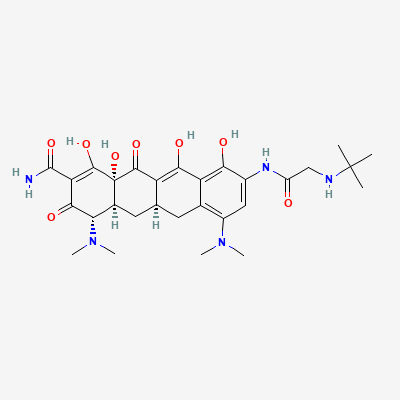
Binds to 30S ribosomal subunit, blocking aminoacyl-tRNA entry into the A site of the ribosome, inhibiting protein synthesis. Structural modifications (glycylcycline side chain) overcome tetracycline resistance mechanisms (efflux pumps and ribosomal protection proteins). Bacteriostatic.

Indications

Complicated intra-abdominal infectionsComplicated skin and skin structure infections (including diabetic foot, MRSA)Community-acquired bacterial pneumoniaMDR Acinetobacter baumannii infections (off-label but widely used)Carbapenem-resistant Enterobacteriaceae (CRE) infections (off-label, salvage therapy)

Dosing

Adult
100mg IV loading dose, then 50mg IV q12h over 30-60 minutes. Treat 5-14 days depending on indication and response.
Pediatric
≥8 years: 1.2mg/kg IV (max 50mg) q12h after 2.4mg/kg (max 100mg) loading.
Renal adjustment
No adjustment needed (not renally excreted).
Hepatic adjustment
Mild-moderate (Child-Pugh A/B): no adjustment. Severe (Child-Pugh C): 100mg load, then 25mg q12h.
Geriatric
No specific adjustment; increased mortality signal in some analyses—use only when alternatives are unsuitable.
Max dose
100mg loading; 50mg q12h maintenance

Pharmacokinetics

Onset
Bacteriostatic effect; clinical improvement 48-72 hours
Peak effect
Cmax at end of infusion; Tmax ~1 hour
Duration
12 hours (q12h dosing)
Half-life
~42 hours (long terminal half-life; tissue redistribution)
Bioavailability
N/A (IV only)
Protein binding
~71-89%
Metabolism
Not extensively metabolized; minor glucuronidation and epimerization
Excretion
~59% fecal (unchanged + metabolites); ~33% renal (mostly unchanged); biliary excretion significant

Contraindications

  • Hypersensitivity to tigecycline or tetracyclines
  • Pregnancy (fetal bone and tooth effects)
  • Children <8 years (tooth discoloration)
  • Severe hepatic impairment (Child-Pugh C) without dose adjustment

Side effects

Common
Nausea and vomiting (~30%—most common)DiarrheaHeadacheElevated transaminasesPhlebitis at infusion siteHypoproteinemia
Serious
  • Severe nausea/vomiting (dose-limiting)
  • Clostridioides difficile colitis
  • Hepatotoxicity
  • Pancreatitis
  • Increased all-cause mortality (FDA black box warning—higher mortality vs comparators in pooled analysis)
  • Anaphylaxis
  • Photosensitivity

Pregnancy & lactation

Pregnancy

Avoid in pregnancy—crosses placenta; risk of fetal bone growth inhibition and tooth discoloration (tetracycline class effect).

Lactation

Excreted in breast milk; avoid during breastfeeding (tetracycline class effect on infant bone and teeth).

Drug interactions

Aminolevulinic Acid
Severe
Database

Clinical effect not specified

Source: DDInter

Bexarotene
Severe
Database

Drug interaction classified as: synergy

Source: DDInter

Cyclosporine
Moderate
Database

Potentially increased cyclosporine levels, leading to increased risk of cyclosporine-related toxicities (e.g., nephrotoxicity, neurotoxicity).

Monitor cyclosporine levels if co-administered with tigecycline, especially in patients with pre-existing renal impairment. Adjust cyclosporine dose as necessary.

Source: DDInter

Methotrexate
Moderate
Database

Tetracyclines may displace methotrexate from protein binding or reduce renal clearance.

Monitor methotrexate levels and for toxicity.

Source: Kimi deep-research + Cla

Live Vaccines
Moderate
Database

Bacteriostatic antibiotics may reduce efficacy of live bacterial vaccines.

Defer live bacterial vaccines until 24-48 hours after completing tigecycline.

Source: Kimi deep-research + Cla

Warfarin
Moderate
Database

Tigecycline may increase INR by altering vitamin K-producing gut flora or affecting warfarin metabolism.

Monitor INR closely during concurrent therapy.

Source: Kimi deep-research + Cla

6 additional low-confidence interactions hidden — those rows lack a documented mechanism or management plan in our sources.

Related guidelines

Ask House about Tigecycline

Continue into a citation-backed clinical answer with the drug context already attached.

Sources: KD Tripathi 7e, Goodman & Gilman 14e, Harrison 22e, Katzung·Verified: 2026-05-19 · House clinical team·Cockpit curated: 2026-05-19