Drug lookup
Drug reference

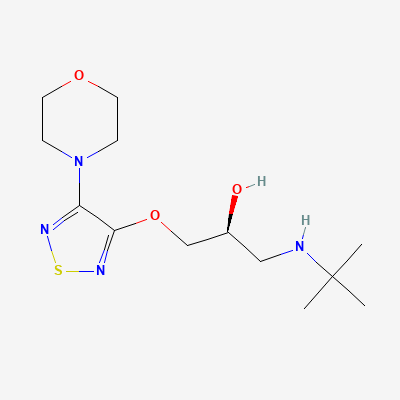
Timolol

Non-selective beta-adrenergic receptor antagonist (beta-blocker) · Antihypertensive

Also known as Timolol maleate, Timoptic, Betimol
START
Check HR (>60 bpm), BP, auscultate for wheeze/asthma, review cardiac history. Baseline ECG if cardiac disease.
TYPICAL MAX
Do not exceed 60mg/day oral. Watch for fatigue, depression, sexual dysfunction at higher doses.
STOP IF
HR <50 bpm, systolic BP <90 mmHg, new wheeze/bronchospasm, acute heart failure, syncope, severe depression.
WATCH
Diabetics—may mask hypoglycemia tremors. COPD/asthma—risk of bronchospasm even with ophthalmic (systemic absorption). Do not stop abruptly—rebound angina/arrhythmia risk.
CDSCO approvedJan AushadhiNPPA price-controlledATC C07AA06
Dose laddermg/d
5start10titrate20Step-up BID30Max per dose BID60Max daily dose
Renal dose adjustmenteGFR mL/min/1.73m²
FULLNo adjustment15CAUTIONUse with caution…90

KDIGO 2024 + manufacturer label

Pharmacokineticsplasma · t hours
30minONSET1.5hPEAK4h12hDURATION
ONSET
30min · Onset 30 min (ocular)
PEAK
1.5h · Tmax ~1-2 hours
4h · t½ ~4 hours
DURATION
12h · 12-24 hours
EXCRETION
Renal as metabolites (~80%)
route + CYP
INTERACTIONS
12 major
SEVERE in our sources
PREGNANCY
Small amounts cross placenta; may cause fetal bradycardia, hypoglycemia. Use only if benefit outweighs risk—prefer cardioselective beta-blockers in pregnancy.
FDA category + note
Top interactionssee all 12
  • AdrenalineSevereTextbookKDT 7e · p133
  • AmilorideSevereTextbookKDT 7e
  • SofosbuvirSevereTextbookHarrison 22e · unknown
  • AminophyllineSevereDatabaseDDInter
Available in India

82 branded formulations and 65 fixed-dose combinations. Look up specific brands in the Drugs workspace.

Jan Aushadhi — generic available at GoI pharmacies

Mechanism

Non-selective competitive antagonism of beta-1 and beta-2 adrenergic receptors; reduces heart rate, myocardial contractility, and aqueous humor production

Indications

Hypertension (oral)Open-angle glaucoma / ocular hypertension (ophthalmic)Migraine prophylaxis (oral)Post-myocardial infarction secondary preventionAtrial fibrillation rate control

Dosing

Adult
Hypertension: 10mg PO BID initially, may increase to 20-30mg BID (max 60mg/day). Migraine prophylaxis: 10mg PO BID. Glaucoma: 0.25-0.5% solution/drops 1 drop BID in affected eye(s).
Pediatric
Not established for oral use in children. Ophthalmic: safety established in infants for glaucoma.
Renal adjustment
No specific adjustment needed; metabolites renally excreted.
Hepatic adjustment
Use caution; hepatic metabolism may be impaired.
Geriatric
Start at lower end of range (5mg BID); monitor for bradycardia and hypotension.
Max dose
60mg/day oral

Pharmacokinetics

Onset
Ocular: IOP reduction within 30 minutes; Oral: BP reduction within 1-2 hours
Peak effect
Ocular: 1-2 hours; Oral: 1-2 hours (Tmax), antihypertensive peak at 2-4 weeks
Duration
Ocular: 12-24 hours; Oral: 12-24 hours
Half-life
~4 hours (oral); ~4.8 hours in elderly
Bioavailability
~50% (oral, extensive first-pass); ~60-78% (ophthalmic systemic)
Protein binding
<10% (equilibrium dialysis); ~60% (ultrafiltration)
Metabolism
Hepatic via CYP2D6 and other CYP enzymes; extensive first-pass effect
Excretion
Primarily renal as metabolites and unchanged drug (~20% unchanged)

Contraindications

  • Severe bradycardia
  • Second or third-degree AV block
  • Sick sinus syndrome
  • Cardiogenic shock
  • Severe asthma or COPD
  • Hypersensitivity to timolol

Side effects

Common
FatigueBradycardiaHypotensionBronchospasmDizzinessSexual dysfunctionCold extremities
Serious
  • Severe bradycardia or heart block
  • Bronchospasm / asthma exacerbation
  • Heart failure decompensation
  • Masking of hypoglycemia in diabetics
  • Depression
  • Corneal anesthesia (ophthalmic)

Pregnancy & lactation

Pregnancy

Small amounts cross placenta; may cause fetal bradycardia, hypoglycemia. Use only if benefit outweighs risk—prefer cardioselective beta-blockers in pregnancy.

Lactation

Excreted in breast milk in small amounts; plasma levels in nursing infants estimated at 1-2% of maternal level. Generally considered compatible but monitor infant for bradycardia and hypoglycemia.

Drug interactions

Adrenaline
Severe
Textbook

Marked rise in BP.

Adrenaline should not be given to patients receiving β blockers.

Source: KDT 7e · p133

Amiloride
Severe
Textbook

Hyperkalaemia more likely.

Source: KDT 7e

Sofosbuvir
Severe
Textbook

Severe bradycardia.

Extreme caution advised if amiodarone is co-administered with sofosbuvir and a beta blocker.

Source: Harrison 22e · unknown

Aminophylline
Severe
Database

Drug interaction classified as: antagonism

Source: DDInter

Arformoterol
Severe
Database

Drug interaction classified as: antagonism

Source: DDInter

Atazanavir
Severe
Database

Drug interaction classified as: synergy

Source: DDInter

Ceritinib
Severe
Database

Drug interaction classified as: synergy

Source: DDInter

Clonidine
Severe
Database

Beta-blocker masks clonidine withdrawal rebound hypertension; abrupt discontinuation of either can cause hypertensive crisis.

Withdraw beta-blocker first, then taper clonidine over several days. Monitor BP closely.

Source: Kimi deep-research + Cla

Diltiazem
Severe
Database

Increased propensity for AV block, severe bradycardia, and decreased left ventricular function.

Avoid concurrent administration. The concurrent administration of diltiazem with a beta blocker is contraindicated.

Source: DDInter

Dolasetron
Severe
Database

Clinical effect not specified

Source: DDInter

Dyphylline
Severe
Database

Clinical effect not specified

Source: DDInter

Formoterol
Severe
Database

Clinical effect not specified

Source: DDInter

Related guidelines

Ask House about Timolol

Continue into a citation-backed clinical answer with the drug context already attached.

Sources: KD Tripathi 7e, Goodman & Gilman 14e, Katzung, BNF·Verified: 2026-05-19 · House clinical team·Cockpit curated: 2026-05-19