Drug lookup
Drug reference

Tinidazole

Nitroimidazole antimicrobial / antiprotozoal · Antibiotic

Also known as Tinidazole Hydrochloride
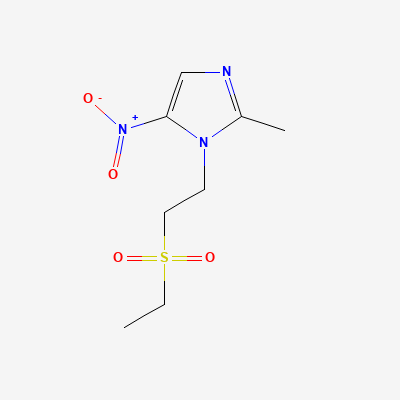
START
2 g single dose for BV, trichomoniasis, giardiasis; 2 g OD x 3-6 days for amoebiasis/anaerobic infections; take with food to reduce GI upset
TYPICAL MAX
2 g/day
STOP IF
Signs of peripheral neuropathy, severe allergic reaction, persistent vomiting
WATCH
Response to treatment (symptom resolution), CNS symptoms with prolonged use
CDSCO approvedSchedule HJan AushadhiATC P01AB02
Renal dose adjustmenteGFR mL/min/1.73m²
FULLNo adjustment for single dose; extend interval for repeated doses if eGFR <30090

KDIGO 2024 + manufacturer label

Pharmacokineticsplasma · t hours
26minONSET1.8hPEAK13h2dDURATION
ONSET
26min · absorption onset
PEAK
1.8h · Peak plasma concentration
13h · Long half-life (12-14 hours)
DURATION
2d · Single dose effective for 48+ hours
EXCRETION
Urine and fecal
route + CYP
INTERACTIONS
2 major
incl. contraindicated
PREGNANCY
Avoid in first trimester; use with caution in second and third trimesters
FDA category + note
Top interactionssee all 6
  • DisulfiramContraindicatedDatabaseKimi deep-research + Cla
  • AmprenavirSevereDatabaseDDInter
Available in India

40 branded formulations and 280 fixed-dose combinations. Look up specific brands in the Drugs workspace.

Jan Aushadhi — generic available at GoI pharmacies

Mechanism

The nitro group is reduced by ferredoxin (or ferredoxin-linked redox system) within anaerobic organisms, forming toxic radical intermediates that damage DNA helix structure and inhibit nucleic acid synthesis. Selectively taken up by anaerobic bacteria and protozoa

Indications

Bacterial vaginosisTrichomoniasisGiardiasisAmoebiasis (intestinal and extraintestinal)Anaerobic bacterial infections (including dental, intra-abdominal)Helicobacter pylori eradication (as part of combination therapy)

Dosing

Adult
BV: 2 g single dose; Trichomoniasis: 2 g single dose (treat partner); Giardiasis: 2 g single dose; Amoebiasis: 2 g OD for 3 days; Anaerobic infections: 2 g OD for 5-6 days
Pediatric
>12 years: adult dosing; 6-12 years: 50-60 mg/kg single dose (max 2 g)
Renal adjustment
No dose adjustment in renal impairment incl. severe (FDA §8.6 — PK not significantly different). Hemodialysis: give an additional ½ dose after the session.
Hepatic adjustment
No adjustment in mild-moderate; caution in severe hepatic impairment
Geriatric
Standard dosing
Max dose
2 g/day

Pharmacokinetics

Onset
Rapid (antimicrobial effect)
Peak effect
1.5-2 hours (Tmax)
Duration
24-48 hours
Half-life
12-14 hours
Bioavailability
~100% (oral)
Protein binding
12%
Metabolism
Hepatic oxidation, hydroxylation, and conjugation
Excretion
Urine (20-25% unchanged); feces (12%)

Contraindications

  • First trimester pregnancy
  • Breastfeeding (during treatment and for 3 days after)
  • Previous hypersensitivity to nitroimidazoles
  • Concurrent disulfiram use (within last 2 weeks)

Side effects

Common
Metallic tasteNauseaVomitingAnorexiaEpigastric discomfortDark urine (harmless)HeadacheDry mouth
Serious
  • Peripheral neuropathy (with prolonged use)
  • Seizures (rare)
  • Leukopenia
  • Severe allergic reactions
  • Pancreatitis (rare)
  • Drug reaction with eosinophilia and systemic symptoms (DRESS)

Pregnancy & lactation

Pregnancy

Avoid in first trimester; use with caution in second and third trimesters

Lactation

Excreted in breast milk; breastfeeding should be interrupted during treatment and for 3 days after last dose

Drug interactions

Disulfiram
Contraindicated
Database

Psychotic reactions reported; both drugs affect alcohol metabolism

Do not use within 2 weeks of disulfiram

Source: Kimi deep-research + Cla

Amprenavir
Severe
Database

Drug interaction classified as: metabolism

Source: DDInter

Alcohol
Moderate
Database

Disulfiram-like reaction (flushing, vomiting, headache, abdominal cramps)

Avoid alcohol during treatment and for 3 days after last dose

Source: Kimi deep-research + Cla · p948

Lithium
Moderate
Database

Increased serum lithium levels

Monitor lithium levels

Source: Kimi deep-research + Cla · p948

Phenytoin
Moderate
Database

Hepatic enzyme induction reduces tinidazole levels; may also increase phenytoin levels

Monitor levels and clinical response

Source: Kimi deep-research + Cla

Warfarin
Moderate
Database

Increased anticoagulant effect; enhanced hypoprothrombinemia

Monitor INR closely; may need warfarin dose reduction

Source: Kimi deep-research + Cla

6 additional low-confidence interactions hidden — those rows lack a documented mechanism or management plan in our sources.

Related guidelines

Ask House about Tinidazole

Continue into a citation-backed clinical answer with the drug context already attached.

Sources: KD Tripathi 7e, Goodman & Gilman 14e, Harrison 22e, Katzung·Verified: 2026-05-19 · House clinical team·Cockpit curated: 2026-05-19