Drug lookup
Drug reference

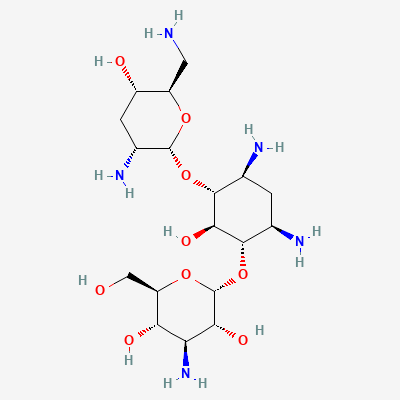
Tobramycin

Aminoglycoside antibiotic · Antibiotic

Also known as Tobramycin Sulfate, Nebcin, Tobi, Bethkis, Kitabis Pak, Tobrex
START
Extended-interval preferred: 5-7 mg/kg IV q24h; check baseline creatinine, calculate eGFR, obtain audiogram if prolonged course; TDM strongly recommended
TYPICAL MAX
7 mg/kg/day
STOP IF
eGFR decline >50% from baseline, signs of ototoxicity (tinnitus, hearing loss, vertigo), therapeutic alternatives available, course complete (usually 7-14 days)
WATCH
Serum creatinine daily, peak and trough levels (or random levels with once-daily), hearing/vestibular symptoms, concurrent nephrotoxins, drug levels (target peak 20-30 mcg/mL, trough <1 mcg/mL for traditional dosing)
CDSCO approvedATC J01GB01
Dose laddermg/d
3start5titrate7ceiling
Renal dose adjustmenteGFR mL/min/1.73m²
FULLStandard extended-interval 5-7 mg/kg …60REDUCEReduce dose and/or extend interval; …30REDUCEExtend interval significantly (q48-7…90

KDIGO 2024 + manufacturer label

Pharmacokineticsplasma · t hours
30minONSET30minPEAK2.5h1dDURATION
ONSET
30min · Rapid bactericidal onset
PEAK
30min · IV peak
2.5h · 2-3 hours (normal renal function)
DURATION
1d · 24-hour coverage (extended-interval)
EXCRETION
Renal (95%, unchanged)
route + CYP
INTERACTIONS
12 major
SEVERE in our sources
PREGNANCY
Avoid in pregnancy unless no alternative; ototoxicity risk to fetus; Category D
FDA category + note
Top interactionssee all 12
  • FurosemideSevereTextbook-citedKDT 7e · p949
  • Amphotericin BSevereDatabaseKimi deep-research + Cla
  • AtracuriumSevereDatabaseDDInter
  • BacitracinSevereDatabaseDDInter
Available in India

193 branded formulations and 19 fixed-dose combinations. Look up specific brands in the Drugs workspace.

Mechanism

Binds irreversibly to 30S ribosomal subunit, inhibiting bacterial protein synthesis. Bactericidal against aerobic Gram-negative bacilli including Pseudomonas aeruginosa, Enterobacterales, and Acinetobacter. Poor activity against anaerobes and most Gram-positive organisms (except Staphylococcus aureus in combination).

Indications

Serious Gram-negative infections (sepsis, pneumonia, UTI, intra-abdominal)Cystic fibrosis (inhaled - chronic Pseudomonas suppression)Endocarditis (in combination with beta-lactams)Meningitis (in combination with beta-lactams, intrathecal/intraventricular)Neutropenic fever (in combination)External eye infections (topical)

Dosing

Adult
IV/IM: 3-5 mg/kg/day in 1-3 divided doses (traditional) OR extended-interval: 5-7 mg/kg q24h (once-daily). Inhaled: 300 mg BD via nebulizer (Bethkis) or 300 mg q12h (Tobi). Intrathecal: 4-8 mg/day
Pediatric
>1 week: 2-2.5 mg/kg q8h IV/IM. Cystic fibrosis: higher doses (3-3.3 mg/kg q8h) due to altered PK
Renal adjustment
Essential - see renal zones. Nephrotoxic and renally cleared
Hepatic adjustment
No adjustment needed
Geriatric
Reduce dose; monitor renal function and drug levels closely; increased nephrotoxicity and ototoxicity risk
Max dose
7 mg/kg/day (extended-interval); 5 mg/kg/day (traditional divided dosing)

Pharmacokinetics

Onset
Rapid bactericidal effect
Peak effect
IV: 30 minutes; IM: 30-90 minutes
Duration
8-12 hours
Half-life
2-3 hours (normal renal function); 50-70 hours (anuria)
Bioavailability
PO: <1%; IM/IV: complete
Protein binding
<10%
Metabolism
Minimal; not metabolized
Excretion
Renal (unchanged drug, ~95%)

Contraindications

  • Hypersensitivity to tobramycin or other aminoglycosides
  • Myasthenia gravis (may worsen neuromuscular blockade)

Side effects

Common
Nephrotoxicity (10-25% - reversible, dose-related)Ototoxicity (8-10% - may be irreversible): vestibular > cochlearNeuromuscular blockade (rare)
Serious
  • Acute kidney injury (dose-limiting toxicity)
  • Irreversible hearing loss
  • Vestibular dysfunction (vertigo, ataxia)
  • Anaphylaxis (rare)
  • Severe neuromuscular blockade / respiratory paralysis (rare, with rapid IV or anesthesia)

Pregnancy & lactation

Pregnancy

Avoid in pregnancy unless no alternative; ototoxicity risk to fetus; Category D

Lactation

Excreted in breast milk in small amounts; compatible with breastfeeding per AAP; monitor infant for diarrhea and thrush

Drug interactions

Furosemide
Severe
Textbook-cited

Ototoxicity (hearing loss) and nephrotoxicity.

Avoid concurrent use; if unavoidable, monitor renal function and audiometry

Source: KDT 7e · p949

Amphotericin B
Severe
Database

Additive nephrotoxicity

Avoid if possible; monitor renal function closely

Source: Kimi deep-research + Cla

Atracurium
Severe
Database

Drug interaction classified as: synergy

Source: DDInter

Bacitracin
Severe
Database

Drug interaction classified as: synergy

Source: DDInter

Botulinum Toxin Type A
Severe
Database

Drug interaction classified as: synergy

Source: DDInter

Botulinum Toxin Type B
Severe
Database

Drug interaction classified as: synergy

Source: DDInter

Bumetanide
Severe
Database

Drug interaction classified as: synergy.

Source: DDInter

Capreomycin
Severe
Database

Drug interaction classified as: synergy

Source: DDInter

Cidofovir
Severe
Database

Drug interaction classified as: synergy

Source: DDInter

Cisatracurium
Severe
Database

Drug interaction classified as: synergy

Source: DDInter

Cisplatin
Severe
Database

Increased risk of severe nephrotoxicity and ototoxicity (hearing loss, tinnitus). Both drugs are independently nephrotoxic and ototoxic.

Avoid concomitant use if possible. If co-administration is unavoidable, monitor renal function and auditory function very closely. Adjust tobramycin dose based on renal function. Consider alternative antibiotics.

Source: DDInter

Colistimethate
Severe
Database

Drug interaction classified as: synergy

Source: DDInter

Related guidelines

Other Aminoglycoside antibiotic drugs

Ask House about Tobramycin

Continue into a citation-backed clinical answer with the drug context already attached.

Sources: KD Tripathi 7e, Goodman & Gilman 14e, Harrison 22e, Katzung·Verified: 2026-05-19 · House clinical team·Cockpit curated: 2026-05-19