Drug lookup
Drug reference

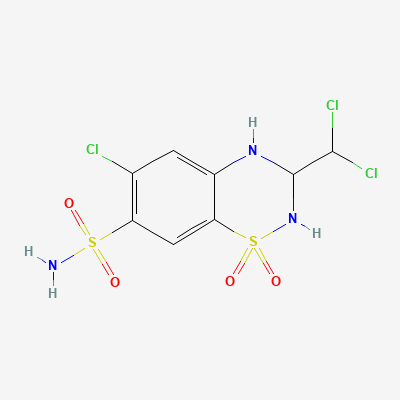
Trichlormethiazide

Thiazide diuretic (sulfonamide-derived) · Antihypertensive
START
1–2 mg PO once daily (morning)
TYPICAL MAX
4 mg/day
STOP IF
Severe electrolyte disturbance, gout flare, or pancreatitis
WATCH
K, Na, Ca, urate, glucose; BP / postural symptoms
CDSCO approvedSchedule HATC C03AA06
Dose laddermg/d
1start2usual4max/day
Renal dose adjustmenteGFR mL/min/1.73m²
FULLUsual dosing30AVOIDReduced efficacy — usually avoid90

KDIGO 2024 + manufacturer label

Pharmacokineticsplasma · t hours
1.5hONSET6hPEAK4h1dDURATION
ONSET
1.5h · diuresis
PEAK
6h · peak effect
4h ·
DURATION
1d · once-daily
EXCRETION
Renal — mainly unchanged
route + CYP
INTERACTIONS
12 major
incl. contraindicated
PREGNANCY
Avoid (oligohydramnios, neonatal effects).
FDA category + note
Top interactionssee all 12
  • QuinidineContraindicatedTextbookG&G 14e · p567
  • AmiodaroneSevereDatabaseDDInter
  • Arsenic TrioxideSevereDatabaseDDInter
  • DofetilideSevereDatabaseDDInter

Mechanism

Inhibits the Na+/Cl− cotransporter in the distal convoluted tubule, increasing sodium and water excretion; reduces extracellular volume and (chronically) peripheral vascular resistance — antihypertensive and diuretic.

Indications

HypertensionMild oedema (cardiac, hepatic, renal)Nephrogenic diabetes insipidus (paradoxical effect)

Dosing

Adult
1–4 mg PO once daily; usual 2 mg/day.
Pediatric
0.07 mg/kg/day (limited use).
Renal adjustment
Reduced efficacy CrCl <30; avoid in advanced impairment.
Hepatic adjustment
Caution; avoid in severe disease.
Geriatric
Start 1 mg; electrolyte risk.
Max dose
4 mg/day

Pharmacokinetics

Onset
Diuresis 1–2 h
Peak effect
~6 h
Duration
~24 h
Half-life
~2–7 h
Bioavailability
Well absorbed orally
Protein binding
~30%
Metabolism
Minimal hepatic
Excretion
Renal (mainly unchanged)

Contraindications

  • Anuria / severe renal impairment
  • Severe hepatic impairment / hepatic coma risk
  • Sulfonamide hypersensitivity
  • Refractory hypokalaemia / hyponatraemia / hypercalcaemia
  • Untreated Addison disease

Side effects

Common
HypokalaemiaHyponatraemiaHyperuricaemia / goutHyperglycaemiaPostural hypotensionPhotosensitivity
Serious
  • Severe electrolyte disturbance / arrhythmia
  • Severe sulfonamide allergy (rare SJS/TEN)
  • Acute angle-closure glaucoma (rare)
  • Pancreatitis
  • Hypercalcaemia

Pregnancy & lactation

Pregnancy

Avoid (oligohydramnios, neonatal effects).

Lactation

Avoid (may reduce milk supply).

Drug interactions

Quinidine
Contraindicated
Textbook

Fatal ventricular arrhythmias.

Avoid coadministration or ensure strict potassium management.

Source: G&G 14e · p567

Amiodarone
Severe
Database

Drug interaction classified as: synergy

Source: DDInter

Arsenic Trioxide
Severe
Database

Fatal ventricular arrhythmias.

Avoid coadministration or ensure strict potassium management.

Source: DDInter

Dofetilide
Severe
Database

Fatal ventricular arrhythmias.

Avoid coadministration or ensure strict potassium management.

Source: DDInter

Dolasetron
Severe
Database

Clinical effect not specified

Source: DDInter

Dronedarone
Severe
Database

Clinical effect not specified

Source: DDInter

Droperidol
Severe
Database

Clinical effect not specified

Source: DDInter

Lithium Carbonate
Severe
Database

Clinical effect not specified

Source: DDInter

Lithium
Severe
Database

Reduced lithium clearance

Monitor levels; reduce lithium

Source: Kimi deep-research + Cla · p378

Pimozide
Severe
Database

Clinical effect not specified

Source: DDInter

Tizanidine
Severe
Database

Clinical effect not specified

Source: DDInter

Ziprasidone
Severe
Database

Clinical effect not specified

Source: DDInter

Related guidelines

Ask House about Trichlormethiazide

Continue into a citation-backed clinical answer with the drug context already attached.

Sources: Katzung·Verified: 2026-05-20 · House clinical team·Cockpit curated: 2026-05-20