Drug lookup
Drug reference

Trihexyphenidyl

Anticholinergic (centrally-acting) / antimuscarinic · Antiparkinsonian

Also known as Benzhexol, Artane
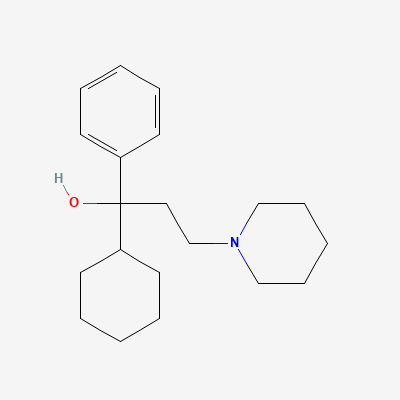
START
1 mg OD; increase gradually; use lowest effective dose; avoid in elderly if possible; check for glaucoma, urinary retention, constipation before starting
TYPICAL MAX
15 mg/day
STOP IF
Severe confusion, urinary retention, signs of anticholinergic toxicity, narrow-angle glaucoma symptoms
WATCH
Cognitive function (especially elderly), urinary output, constipation, intraocular pressure (if at risk), signs of anticholinergic toxicity
CDSCO approvedSchedule HJan AushadhiATC N04AA01
Dose laddermg/d
11 mg OD - start2titrate5titrate15ceiling
Renal dose adjustmenteGFR mL/min/1.73m²
FULLUse with caution; reduced clearance090

KDIGO 2024 + manufacturer label

Pharmacokineticsplasma · t hours
1.5hONSET2.5hPEAK3.7h8hDURATION
ONSET
1.5h · 1-2 hours
PEAK
2.5h · 2-3 hours
3.7h · 3.3-4.1 hours
DURATION
8h · 6-12 hours
EXCRETION
Renal
route + CYP
INTERACTIONS
7 major
SEVERE in our sources
PREGNANCY
Use only if clearly needed; limited data
FDA category + note
Top interactionssee all 12
  • Antihistamines (first Generation) (e.g., Diphenhydramine, Chlorpheniramine)SevereDatabase
  • Potassium ChlorideSevereDatabaseDDInter
  • Potassium CitrateSevereDatabaseDDInter
  • TopiramateSevereDatabaseDDInter
Available in India

109 branded formulations and 93 fixed-dose combinations. Look up specific brands in the Drugs workspace.

Jan Aushadhi — generic available at GoI pharmacies

Mechanism

Competitive antagonist at central muscarinic acetylcholine receptors (M1), restoring the balance between dopaminergic and cholinergic neurotransmission in the basal ganglia. Reduces relative cholinergic excess that occurs when dopaminergic tone is decreased (Parkinson's) or when D2 receptors are blocked (drug-induced EPS).

Indications

Parkinson's disease (adjunct to levodopa)Drug-induced extrapyramidal symptoms (EPS) from antipsychoticsDystonia (acute and tardive)Tremor-predominant Parkinson's (monotherapy in early disease)

Dosing

Adult
Parkinson's: start 1 mg OD, increase by 2 mg every 3-5 days; usual 6-10 mg/day in 3 divided doses; max 15 mg/day. EPS: 1 mg OD-TDS; max 5-15 mg/day
Pediatric
Not recommended in children
Renal adjustment
Use with caution; reduced clearance
Hepatic adjustment
Use with caution
Geriatric
Start 0.5-1 mg; increased risk of anticholinergic toxicity (confusion, falls, urinary retention, constipation); avoid if possible
Max dose
15 mg/day

Pharmacokinetics

Onset
1-2 hours (anticholinergic effect)
Peak effect
2-3 hours (Tmax)
Duration
6-12 hours
Half-life
3.3-4.1 hours
Bioavailability
Well absorbed orally
Protein binding
Not well characterized
Metabolism
Hepatic; not well characterized
Excretion
Renal

Contraindications

  • Narrow-angle glaucoma
  • Urinary retention / bladder neck obstruction
  • GI obstruction (pyloric or duodenal stenosis)
  • Myasthenia gravis
  • Megacolon / toxic megacolon
  • Severe ulcerative colitis
  • Hypersensitivity to trihexyphenidyl

Side effects

Common
Dry mouthBlurred visionConstipationUrinary retentionTachycardiaDizzinessConfusion (especially elderly)SedationNausea
Serious
  • Acute anticholinergic syndrome (hyperthermia, delirium, tachycardia, seizures)
  • Narrow-angle glaucoma precipitation
  • Paralytic ileus
  • Heat stroke (impaired thermoregulation)
  • Psychosis / hallucinations
  • Severe confusion / delirium

Pregnancy & lactation

Pregnancy

Use only if clearly needed; limited data

Lactation

Excretion in breast milk unknown; may suppress lactation; use with caution

Drug interactions

Antihistamines (first Generation) (e.g., Diphenhydramine, Chlorpheniramine)
Severe
Database

Significantly increased risk of severe anticholinergic side effects, including profound sedation, confusion, delirium, urinary retention, severe constipation, blurred vision, and dry mouth.

Avoid concomitant use. If an antihistamine is required, choose a second-generation antihistamine with minimal anticholinergic activity (e.g., loratadine, fexofenadine). If co-administration is unavoidable, use extreme caution and monitor closely for anticholinergic toxicity.

Potassium Chloride
Severe
Database

Clinical effect not specified

Source: DDInter

Potassium Citrate
Severe
Database

Clinical effect not specified

Source: DDInter

Topiramate
Severe
Database

.

Source: DDInter

Tricyclic Antidepressants (tcas) (e.g., Amitriptyline, Imipramine)
Severe
Database

Significantly increased risk of severe anticholinergic side effects, including paralytic ileus, urinary retention, severe constipation, blurred vision, dry mouth, confusion, delirium, and heatstroke (due to impaired sweating).

Avoid concomitant use if possible. If co-administration is unavoidable, use the lowest effective doses of both drugs and monitor closely for signs of anticholinergic toxicity. Educate patients on symptoms of anticholinergic excess and advise them to seek immediate medical attention if they occur.

Other Anticholinergics
Severe
Database

Additive anticholinergic toxicity; high risk of confusion, constipation, urinary retention, heat stroke

Avoid multiple anticholinergics; monitor for anticholinergic toxicity

Source: Kimi deep-research + Cla

Zonisamide
Severe
Database

Clinical effect not specified

Source: DDInter

Alcohol
Moderate
Database

Increased sedation, dizziness, confusion, and impairment of cognitive and motor skills. Increased risk of anticholinergic side effects.

Advise patients to avoid or limit alcohol consumption while taking trihexyphenidyl. Warn about impaired ability to drive or operate machinery.

Antipsychotics (e.g., Chlorpromazine, Haloperidol)
Moderate
Database

Reduced efficacy of antipsychotics (due to anticholinergic effects counteracting dopamine blockade) and increased risk of anticholinergic side effects (e.g., dry mouth, constipation, blurred vision, urinary retention, confusion). May worsen tardive dyskinesia in some cases.

Monitor for reduced antipsychotic efficacy and increased anticholinergic side effects. Consider dose adjustment of either drug or using an alternative agent if possible. Avoid routine prophylactic use of trihexyphenidyl with antipsychotics unless absolutely necessary for severe extrapyramidal symptoms.

Digoxin
Moderate
Database

Increased risk of digoxin toxicity (e.g., nausea, vomiting, arrhythmias, visual disturbances).

Monitor digoxin serum concentrations closely when initiating or discontinuing trihexyphenidyl. Adjust digoxin dose as needed. Monitor for signs and symptoms of digoxin toxicity.

Source: DDInter

Metoclopramide
Moderate
Database

Reduced efficacy of metoclopramide in promoting gastrointestinal motility. May worsen extrapyramidal symptoms if metoclopramide is used for its antiemetic effects.

Avoid concomitant use if possible. If both are necessary, monitor for reduced efficacy of metoclopramide. Consider alternative antiemetics or prokinetics if appropriate.

Source: DDInter

Monoamine Oxidase Inhibitors (maois) (e.g., Phenelzine, Selegiline)
Moderate
Database

Increased risk of anticholinergic side effects (e.g., dry mouth, constipation, blurred vision, urinary retention, confusion). MAOIs can also increase the risk of CNS excitation and delirium when combined with anticholinergics.

Use with caution. Monitor closely for anticholinergic side effects and CNS toxicity. Consider dose reduction of trihexyphenidyl. Avoid if possible, especially in elderly or susceptible patients.

Related guidelines

Ask House about Trihexyphenidyl

Continue into a citation-backed clinical answer with the drug context already attached.

Sources: KD Tripathi 7e, Goodman & Gilman 14e, Katzung, BNF·Verified: 2026-05-19 · House clinical team·Cockpit curated: 2026-05-19