Drug lookup
Drug reference

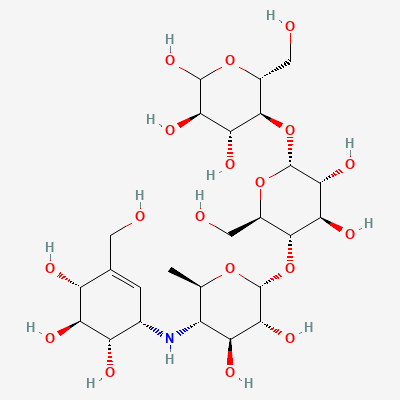
Acarbose

α-Glucosidase inhibitor (antidiabetic) · Antidiabetic
START
25 mg PO 3 times daily with first bite of meal; titrate slowly
TYPICAL MAX
300 mg/day (>60 kg); 150 mg/day (≤60 kg)
STOP IF
Severe hepatitis or pneumatosis intestinalis
WATCH
GI tolerance (titrate slowly to limit flatulence); LFTs; use glucose (not sucrose) for hypos
CDSCO approvedSchedule HATC A10BF01
Dose laddermg/d
75start/day150usual300max/day
Renal dose adjustmenteGFR mL/min/1.73m²
FULLStandard dosing60CAUTIONCaution; monitor LFTs25AVOIDContraindicated90

KDIGO 2024 + manufacturer label

Pharmacokineticsplasma · t hours
30minONSET1hPEAK2h4hDURATION
ONSET
30min · with meal
PEAK
1h · postprandial
2h · minimal systemic
DURATION
4h · meal effect
EXCRETION
Mostly faecal; ~35% renal if absorbed
route + CYP
INTERACTIONS
6 major
SEVERE in our sources
PREGNANCY
Generally not recommended (insulin preferred in pregnancy).
FDA category + note
Top interactionssee all 7
  • GatifloxacinSevereDatabaseDDInter
  • LeflunomideSevereDatabaseDDInter
  • LomitapideSevereDatabaseDDInter
  • MipomersenSevereDatabaseDDInter

Mechanism

Reversibly inhibits intestinal brush-border α-glucosidases (sucrase, maltase, glucoamylase), delaying carbohydrate digestion and absorption; flattens postprandial glucose rise without intrinsic hypoglycaemia risk.

Indications

Type 2 diabetes mellitus (adjunct to diet)Postprandial hyperglycaemia in type 1 (off-label adjunct)

Dosing

Adult
25 mg PO 3 times daily with the first bite of each main meal; titrate every 4–8 weeks; usual 50–100 mg three times daily; max 300 mg/day (>60 kg) or 150 mg/day (≤60 kg).
Pediatric
Not established.
Renal adjustment
CrCl 25–60: caution; CrCl <25: contraindicated.
Hepatic adjustment
Severe hepatic impairment: contraindicated.
Geriatric
No specific adjustment.
Max dose
300 mg/day (>60 kg)

Pharmacokinetics

Onset
Glucose-lowering with each meal
Peak effect
~1 h (local gut effect)
Duration
Meal-related
Half-life
~2 h (minimal systemic exposure)
Bioavailability
<2% systemic (essentially gut-acting)
Protein binding
Not applicable
Metabolism
Bacterial / digestive enzyme degradation in gut
Excretion
Renal (~35% as metabolites if absorbed); mostly faecal

Contraindications

  • Inflammatory bowel disease / chronic intestinal disease
  • Severe hepatic impairment
  • Severe renal impairment (CrCl <25)
  • Hypersensitivity
  • Diabetic ketoacidosis

Side effects

Common
Flatulence (very common)Abdominal painDiarrhoeaBloating
Serious
  • Pneumatosis cystoides intestinalis (rare)
  • Severe hepatotoxicity (rare, high dose)
  • Severe hypersensitivity

Pregnancy & lactation

Pregnancy

Generally not recommended (insulin preferred in pregnancy).

Lactation

Limited data; minimal systemic absorption.

Drug interactions

Gatifloxacin
Severe
Database

Drug interaction classified as: antagonism

Source: DDInter

Leflunomide
Severe
Database

Drug interaction classified as: synergy

Source: DDInter

Lomitapide
Severe
Database

Drug interaction classified as: synergy

Source: DDInter

Mipomersen
Severe
Database

Drug interaction classified as: synergy

Source: DDInter

Pexidartinib
Severe
Database

Drug interaction classified as: synergy

Source: DDInter

Teriflunomide
Severe
Database

Drug interaction classified as: synergy

Source: DDInter

Pancreatin
Moderate
Database

Reduced efficacy of acarbose in controlling postprandial glucose levels, as pancreatin's amylase activity may counteract acarbose's mechanism of action.

Monitor blood glucose levels closely. If concurrent use is necessary, consider adjusting the dose of acarbose or pancreatin, or administering them at different times. The clinical significance is generally considered low unless very high doses of pancreatin are used.

5 additional low-confidence interactions hidden — those rows lack a documented mechanism or management plan in our sources.

Related guidelines

Ask House about Acarbose

Continue into a citation-backed clinical answer with the drug context already attached.

Sources: KD Tripathi 7e, Goodman & Gilman 14e, BNF·Verified: 2026-05-20 · House clinical team·Cockpit curated: 2026-05-20