Drug lookup
Drug reference

Acyclovir

Antiviral

Also known as Acyclovir Sodium, Aciclovir
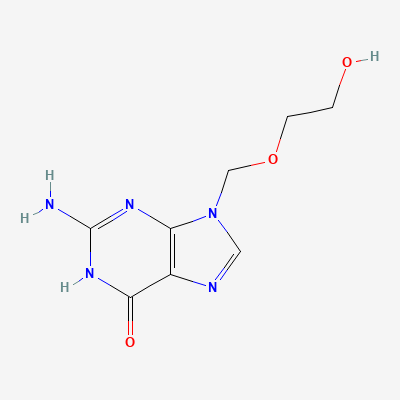
START
Confirm HSV/VZV infection (clinical diagnosis or PCR). Baseline creatinine, hydration status. For IV: ensure adequate hydration; infuse over 1 hour. For oral: start within 72 hours of symptom onset for shingles.
TYPICAL MAX
800 mg PO 5x/day (4 g/day); 10 mg/kg IV q8h. Reduce in renal impairment.
STOP IF
Severe neurotoxicity (seizures, altered mental status), severe hypersensitivity, crystalluria with AKI, severe myelosuppression
WATCH
Renal function (daily if IV), hydration status, neurotoxicity signs (confusion, tremor — especially elderly), rash, time from symptom onset
CDSCO approvedSchedule HJan AushadhiATC J05AB01
Dose laddermg/d
200start400titrate800max10kceiling
Renal dose adjustmenteGFR mL/min/1.73m²
FULLFull dose: 400-800 mg PO 3-5x/day or 10 mg/kg IV q…50REDUCEExtend interval: q12h25REDUCEExtend interval:…10REDUCEq24h + 50%…90

KDIGO 2024 + manufacturer label

Pharmacokineticsplasma · t hours
26minONSET1.8hPEAK3h8hDURATION
ONSET
26min · absorption onset
PEAK
1.8h · 1.5-2 h (oral)
3h · 2.5-3 h (normal); 14-20 h (ESRD)
DURATION
8h · 4-6 h (oral); 8 h (IV q8h)
EXCRETION
60-90% renal unchanged; minimal hepatic metabolism; NOT CYP
route + CYP
INTERACTIONS
12 major
SEVERE in our sources
PREGNANCY
FDA PLLR: Animal studies showed no teratogenicity. Limited human data. Acyclovir crosses placenta. Generally considered safe in pregnancy for HSV treatment (suppressive therapy in third trimester reduces neonatal transmission). Pregnancy registry available.
FDA category + note
Top interactionssee all 12
  • CidofovirSevereDatabaseDDInter
  • DiatrizoateSevereDatabaseDDInter
  • EverolimusSevereDatabaseDDInter
  • GentamicinSevereDatabase
Available in India

348 branded formulations. Look up specific brands in the Drugs workspace.

Jan Aushadhi — generic available at GoI pharmacies

Mechanism

Acyclovir is a synthetic purine nucleoside analog that is selectively active against herpes simplex virus (HSV) types 1 and 2, varicella-zoster virus (VZV), and Epstein-Barr virus (EBV). It requires three-step intracellular activation: (1) uptake into infected cells via viral thymidine kinase (TK); (2) monophosphorylation by viral TK to acyclovir monophosphate (100x more efficient in infected cells); (3) further phosphorylation by cellular kinases to acyclovir triphosphate. Acyclovir triphosphate competitively inhibits viral DNA polymerase, incorporating into the growing DNA chain and causing chain termination. The drug has approximately 100-fold greater affinity for viral DNA polymerase than for cellular DNA polymerase, providing selective antiviral activity with minimal host cell toxicity.

Indications

Herpes simplex virus (HSV) infections — genital herpes (initial and recurrent), mucocutaneous HSV in immunocompromisedVaricella-zoster virus (VZV) — shingles (herpes zoster), chickenpox (varicella)HSV encephalitisNeonatal HSV infectionHSV prophylaxis in immunocompromised patients (bone marrow transplant, chemotherapy)Herpes labialis (cold sores — topical)Acute retinal necrosis (HSV/VZV)

Dosing

Adult
Genital HSV (initial): 400 mg PO TID x 7-10 days OR 200 mg PO 5x/day x 10 days. Genital HSV (recurrent): 400 mg PO TID x 5 days OR 800 mg PO BID x 5 days. Suppression: 400 mg PO BID. Shingles: 800 mg PO 5x/day x 7-10 days. HSV encephalitis: 10 mg/kg IV q8h x 14-21 days. Chickenpox: 800 mg PO QID x 5 days.
Pediatric
HSV (≥2 years): 40-80 mg/kg/day PO divided QID. Chickenpox (≥2 years): 20 mg/kg PO QID (max 800 mg/dose) x 5 days. Neonatal HSV: 20 mg/kg IV q8h x 14-21 days.
Renal adjustment
CrCl 25-50: extend interval to q12h. CrCl 10-25: extend to q24h. CrCl <10: extend to q24h and reduce dose by 50%. HD: dose after dialysis. Ensure adequate hydration to prevent crystalluria.
Hepatic adjustment
No adjustment required (minimal hepatic metabolism).
Geriatric
Reduce dose and/or extend interval based on renal function. Monitor for neurotoxicity (confusion, agitation, tremor) — more common in elderly with renal impairment.
Max dose
800 mg PO 5x/day (4 g/day); 10 mg/kg IV q8h (30 mg/kg/day)

Pharmacokinetics

Onset
Antiviral effect within hours; clinical improvement within 2-3 days for uncomplicated infections.
Peak effect
Oral: peak at 1.5-2 hours. IV: immediate distribution.
Duration
4-6 hours (supports 3-5x daily oral dosing; q8h IV).
Half-life
~2.5-3 hours (normal renal function); 14-20 hours in ESRD. Intracellular triphosphate: much longer (provides prolonged antiviral effect).
Bioavailability
~15-30% (oral; poor absorption). Valacyclovir (prodrug) has 3-5x better bioavailability.
Protein binding
~9-33% (low).
Metabolism
Minimal hepatic metabolism (<15% of dose). Major metabolite: 9-carboxymethoxymethylguanine (CMMG) — inactive. NOT a CYP substrate.
Excretion
Renal: ~60-90% excreted unchanged in urine via glomerular filtration and tubular secretion within 24 hours. Crystalluria can occur with high doses and dehydration.

Contraindications

  • Hypersensitivity to acyclovir, valacyclovir, or any component
  • Relative: severe renal impairment (dose reduction mandatory to prevent crystalluria and neurotoxicity)

Side effects

Common
Nausea, vomiting, diarrheaHeadacheMalaise, fatigueRash (topical: local irritation, pruritus)Injection site reactions (IV — phlebitis)
Serious
  • Neurotoxicity (confusion, agitation, tremor, myoclonus, hallucinations, seizures — especially with high IV doses or renal impairment; usually reversible)
  • Crystalluria and acute kidney injury (with rapid IV administration, dehydration, or high doses — preventable with adequate hydration and slow infusion)
  • Thrombotic microangiopathy (TTP/HUS — rare)
  • Severe hypersensitivity (anaphylaxis, angioedema, SJS/TEN)
  • Bone marrow suppression (leukopenia, thrombocytopenia — rare, usually in immunocompromised)
  • Hepatotoxicity (elevated transaminases — rare)

Pregnancy & lactation

Pregnancy

FDA PLLR: Animal studies showed no teratogenicity. Limited human data. Acyclovir crosses placenta. Generally considered safe in pregnancy for HSV treatment (suppressive therapy in third trimester reduces neonatal transmission). Pregnancy registry available.

Lactation

Excreted in breast milk (infant dose ~1-2% of maternal). Compatible with breastfeeding per AAP. Monitor infant for GI upset.

Drug interactions

Cidofovir
Severe
Database

Drug interaction classified as: synergy.

Source: DDInter

Diatrizoate
Severe
Database

Drug interaction classified as: synergy

Source: DDInter

Everolimus
Severe
Database

Drug interaction classified as: synergy.

Source: DDInter

Gentamicin
Severe
Database

Significantly increased risk of acute kidney injury (AKI).

Avoid concomitant use if possible. If unavoidable, monitor renal function (serum creatinine, BUN, urine output) very closely. Ensure adequate hydration. Adjust doses of both drugs as per renal function.

Inotersen
Severe
Database

Drug interaction classified as: excretion

Source: DDInter

Iodipamide
Severe
Database

Drug interaction classified as: synergy

Source: DDInter

Iodixanol
Severe
Database

Drug interaction classified as: synergy

Source: DDInter

Iohexol
Severe
Database

Drug interaction classified as: synergy

Source: DDInter

Iopamidol
Severe
Database

Drug interaction classified as: synergy

Source: DDInter

Iopromide
Severe
Database

Drug interaction classified as: synergy

Source: DDInter

Iothalamic Acid
Severe
Database

Drug interaction classified as: synergy

Source: DDInter

Ioversol
Severe
Database

Drug interaction classified as: synergy

Source: DDInter

Related guidelines

Other Antiviral drugs

Ask House about Acyclovir

Continue into a citation-backed clinical answer with the drug context already attached.

Sources: KD Tripathi 7e, Goodman & Gilman 14e, Harrison 22e, Katzung·Verified: 2026-05-18 · House clinical team·Cockpit curated: 2026-05-18