Drug lookup
Drug reference

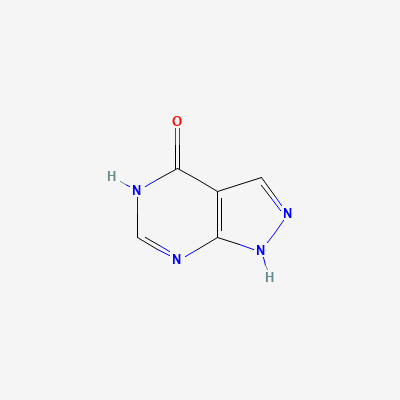
Allopurinol

Xanthine Oxidase Inhibitor · Antigout

Also known as Zyloric, Puric, Goutex
START
100 mg PO once daily (50 mg if eGFR <30) — titrate to uric acid <6 mg/dL
TYPICAL MAX
800 mg/day (gout) · 900 mg/day (other indications)
STOP IF
Severe hypersensitivity (SJS/TEN/DRESS) · severe renal impairment without dose adjustment
WATCH
Uric acid · rash (week 2-8) · LFTs · HLA-B*5801 in high-risk ethnicities
CDSCO approvedSchedule HJan AushadhiATC M04AA01
Dose laddermg/d
50CKD start100standard start200titration step300titrate600titrate800max
Renal dose adjustmenteGFR mL/min/1.73m²
FULLStandard 100 mg start; titrate60CAUTION50-100 mg start; slower titration30REDUCE50 mg start; max ~200 mg/d; very slow…90

KDIGO 2024 + manufacturer label

Pharmacokineticsplasma · t hours
1dONSET3wPEAK18h1dDURATION
ONSET
1d · uric acid drop begins
PEAK
3w · max effect at 3 weeks
18h · oxypurinol (active) t½
DURATION
1d · once-daily dosing window
EXCRETION
Hepatic → oxypurinol · 80% renal unchanged metabolite
route + CYP
INTERACTIONS
12 major
SEVERE in our sources
PREGNANCY
Category C — avoid unless essential
FDA category + note
Top interactionssee all 12
  • AzathioprineSevereTextbook-citedKDT 7e · p948
  • TheophyllineSevereTextbook-citedKDT 7e · p948
  • WarfarinSevereTextbook-citedKDT 7e · p948
  • MercaptopurineSevereTextbook-citedKDT 7e · p948
Available in India

158 branded formulations. Look up specific brands in the Drugs workspace.

Jan Aushadhi — generic available at GoI pharmacies

Mechanism

Allopurinol and its active metabolite, oxipurinol, inhibit xanthine oxidase, an enzyme responsible for the conversion of hypoxanthine to xanthine and xanthine to uric acid. By blocking this enzyme, allopurinol decreases the production of uric acid, thereby lowering serum and urinary uric acid concentrations. This action helps prevent the formation of urate crystals and dissolves existing ones.

Indications

Management of chronic gout, including tophaceous gout.Prevention of recurrent uric acid renal stones.Management of hyperuricemia associated with cancer therapy (e.g., leukemia, lymphoma) that leads to tumor lysis syndrome.Prevention of calcium oxalate stones in patients with hyperuricosuria (off-label).Hyperuricemia in patients with gout (primary and secondary)Prevention of hyperuricemia in those with hematological malignancies about to undergo chemotherapy (acute tumor lysis syndrome)Calcium oxalate calculiLowering high plasma concentrations of uric acid in patients with Lesch-Nyhan syndrome

Dosing

Adult
Chronic Gout: Initially 100 mg once daily. Dose can be increased by 100 mg weekly up to a maximum of 800 mg/day until serum uric acid levels are <6 mg/dL. Maintenance dose typically 200-300 mg/day for mild gout, 400-600 mg/day for moderate to severe tophaceous gout. Doses >300 mg/day may be given in divided doses.…
Pediatric
Hyperuricemia due to Cancer Therapy (Children <10 years): 10 mg/kg/day in 2-3 divided doses; Max 400 mg/day. Hyperuricemia due to Cancer Therapy (Children >=10 years): 600-800 mg/day in 2-3 divided doses. Lesch-Nyhan Syndrome or conditions causing excessive urate production: 10-20 mg/kg/day or 100-200 mg/day in 2-3 divided doses; Max 400 mg/day.
Renal adjustment
CrCl >60 mL/min: No dose adjustment. CrCl 30-60 mL/min: 100-200 mg/day. CrCl 10-29 mL/min: 100 mg/day or 100-200 mg every other day. CrCl <10 mL/min: 100 mg every 3 days. Hemodialysis: Administer after dialysis.
Hepatic adjustment
Use with caution. Consider lower starting doses and monitor liver function tests.
Geriatric
Start with lower doses (e.g., 50 mg/day) and titrate slowly due to potential for decreased renal function and increased risk of adverse effects.
Max dose
800 mg/day (per Harriet Lane's general pediatric oral maximum, or provide age/condition-specific rationale for the database's lower max)

Pharmacokinetics

Onset
Uric acid lowering begins within 24-48 hours.
Peak effect
Peak plasma concentration of allopurinol occurs 1.5 hours, oxipurinol 4.5 hours. Maximum uric acid lowering effect seen within 2 weeks.
Duration
Effects persist for 24-72 hours after single dose.
Half-life
Allopurinol: 1-2 hours; Oxipurinol (active metabolite): 18-30 hours (can be longer in renal impairment).
Bioavailability
Approximately 80-90% orally.
Protein binding
Allopurinol: Not significant; Oxipurinol: <1%.
Metabolism
Rapidly metabolized by xanthine oxidase to its major active metabolite, oxipurinol.
Excretion
Primarily renal; allopurinol excreted unchanged (10%) and as oxipurinol (70%) in urine.

Contraindications

  • Hypersensitivity to allopurinol or any component of the formulation.
  • Acute gout attack (should not be initiated during an acute attack, but can be continued if already on it).
  • Concurrent use with azathioprine or mercaptopurine without dose reduction of the latter.
  • Asymptomatic hyperuricemia (generally not recommended).
  • Patients who have exhibited serious adverse effects or hypersensitivity reactions to the medication
  • Nursing mothers
  • Children (except those with malignancy or certain inborn errors of purine metabolism, e.g., Lesch-Nyhan syndrome)

Side effects

Common
Skin rash (maculopapular, pruritic)nauseadiarrheavomitingabdominal painheadacheelevated liver enzymes (transient)exacerbation of acute gout (especially upon initiation).Hypersensitivity reactions (most common, may manifest after months or years)Pruritic, erythematous, or maculopapular eruption (cutaneous reaction)Fever (in about 3% of patients)Malaise (in about 3% of patients)Myalgias (in about 3% of patients)Nausea (frequent)Diarrhea (frequent)
Serious
  • Allopurinol Hypersensitivity Syndrome (AHS) (severe rash, fever, eosinophilia, hepatitis, acute renal failure)
  • Stevens-Johnson Syndrome (SJS)
  • Toxic Epidermal Necrolysis (TEN)
  • bone marrow suppression (leukopenia, thrombocytopenia, aplastic anemia)
  • hepatic necrosis
  • renal failure
  • vasculitis.
  • Serious hypersensitivity reactions (preclude further use)
  • Toxic epidermal necrolysis (rarely, can be fatal)
  • Stevens-Johnson syndrome (rarely, can be fatal, risk primarily to first 2 months of treatment)
  • Hepatomegaly
  • Elevated levels of transaminases in plasma
  • Progressive renal insufficiency
  • Transient leukopenia or leukocytosis (rare)
  • Eosinophilia (rare)

Pregnancy & lactation

Pregnancy

Category C — avoid unless essential

Lactation

Allopurinol and oxipurinol are excreted into breast milk. Potential for adverse effects in nursing infant, though data is limited. Use with caution; consider alternative or monitor infant.

Drug interactions

Azathioprine
Severe
Textbook-cited

Severe myelosuppression due to 6-MP accumulation.

Reduce azathioprine dose to one-third

Source: KDT 7e · p948

Theophylline
Severe
Textbook-cited

Theophylline toxicity (nausea, arrhythmias, seizures).

Monitor theophylline levels and reduce dose

Source: KDT 7e · p948

Warfarin
Severe
Textbook-cited

Increased anticoagulant effect and bleeding risk.

Monitor INR and reduce warfarin dose as needed

Source: KDT 7e · p948

Mercaptopurine
Severe
Textbook-cited

Accumulation and toxicity of 6-MP/azathioprine (myelosuppression)

Reduce 6-MP or azathioprine dose to one-third when co-administered

Source: KDT 7e · p948

6 Mercaptopurine
Severe
Textbook

Increased 6-mercaptopurine levels and toxicity.

The dose of 6-mercaptopurine should be reduced to 1/3rd.

Source: KDT 7e · p217

Methyclothiazide
Severe
Textbook

Hypersensitivity reactions reported in patients with compromised renal function.

Source: G&G 14e · p849

Xipamide
Severe
Textbook

Hypersensitivity reactions reported in patients with compromised renal function.

Source: G&G 14e · p849

Benazepril
Severe
Database

Increased hypersensitivity reactions.

Monitor for hypersensitivity.

Source: DDInter

Captopril
Severe
Database

Increased hypersensitivity reactions.

Monitor for hypersensitivity.

Source: DDInter

Deferiprone
Severe
Database

Drug interaction classified as: synergy

Source: DDInter

Didanosine
Severe
Database

Drug interaction classified as: absorption

Source: DDInter

Enalapril
Severe
Database

Increased hypersensitivity reactions.

Monitor for hypersensitivity.

Source: DDInter

Related guidelines

Other Xanthine Oxidase Inhibitor drugs

Ask House about Allopurinol

Continue into a citation-backed clinical answer with the drug context already attached.

Sources: KD Tripathi 7e, Goodman & Gilman 14e, Katzung, BNF·Verified: 2026-05-16 · House clinical team·Cockpit curated: 2026-05-16