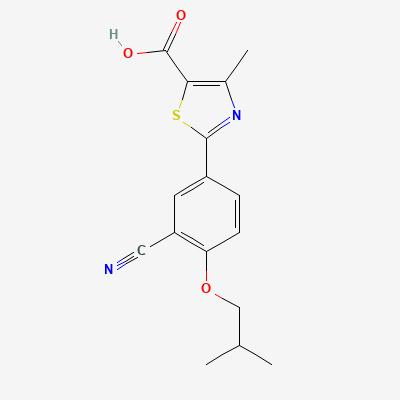
AzathioprineContraindicated
Database
Febuxostat inhibits xanthine oxidase, the enzyme that metabolizes azathioprine and 6-MP to inactive metabolites. Co-administration causes massive increases in azathioprine/6-MP levels, leading to severe myelosuppression, pancytopenia, and hepatotoxicity.
Absolute contraindication. Do NOT use febuxostat in patients on azathioprine or 6-MP. If gout treatment needed, use colchicine, NSAIDs, or allopurinol (also contraindicated with azathioprine — need dose reduction of azathioprine by 50-75%).
Source: Kimi deep-research + Cla
MercaptopurineContraindicated
Database
Increased plasma levels of mercaptopurine.
Concomitant use is contraindicated. If mercaptopurine is essential, an alternative to febuxostat should be considered, or mercaptopurine dose must be drastically reduced (e.g., to 1/10th of the usual dose) with very close monitoring of blood counts, which is generally not recommended due to high risk.
Source: DDInter
TheophyllineContraindicated
Database
Theophylline is partially metabolized by xanthine oxidase. Febuxostat inhibits this pathway, increasing theophylline levels and risk of toxicity (seizures, arrhythmias, nausea).
Avoid concurrent use. If both needed, use extreme caution, monitor theophylline levels, and reduce theophylline dose.
Source: Kimi deep-research + Cla
LeflunomideSevere
Database
Drug interaction classified as: synergy
Source: DDInter
Drug interaction classified as: synergy
Source: DDInter
Drug interaction classified as: synergy
Source: DDInter
PexidartinibSevere
Database
Drug interaction classified as: synergy
Source: DDInter
TeriflunomideSevere
Database
Drug interaction classified as: synergy
Source: DDInter
ColchicineModerate
Database
Standard combination for gout flare prophylaxis during febuxostat initiation. Both are commonly co-prescribed. No direct pharmacokinetic interaction, but additive GI effects (nausea, diarrhea) may occur.
Standard of care. Use low-dose colchicine (0.6 mg once or twice daily) for first 6 months. Monitor for GI side effects. Reduce colchicine dose if diarrhea or myopathy develops (especially with renal impairment).
Source: Kimi deep-research + Cla
HydrochlorothiazideModerate
Database
HCTZ can raise serum uric acid by reducing renal urate excretion, potentially antagonizing febuxostat's urate-lowering effect. Also increases risk of hypersensitivity reactions.
Monitor sUA more closely if HCTZ cannot be discontinued. Consider switching to alternative antihypertensive (calcium channel blocker, ACE inhibitor). If sUA remains >6 mg/dL, may need higher febuxostat dose or alternative urate-lowering strategy.
Source: Kimi deep-research + Cla
NSAIDs are commonly used for gout flare management. Concurrent use with febuxostat does not have a direct pharmacokinetic interaction, but both affect renal function and cardiovascular risk.
Short-term NSAIDs acceptable for acute flares. Avoid chronic NSAID use due to renal and cardiovascular risks. Monitor renal function and blood pressure.
Source: Kimi deep-research + Cla
1 additional unreviewed or low-confidence interaction hidden because their provenance or source detail is insufficient.