Drug lookup
Drug reference

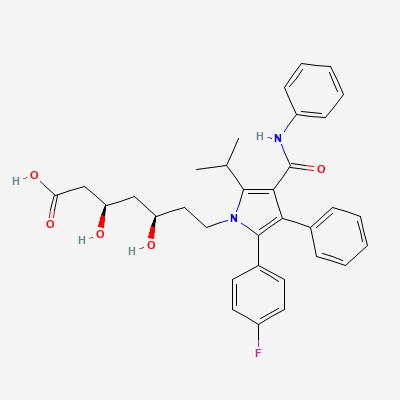
Atorvastatin

Statin · Antilipidemic

Also known as Atorvastatin calcium, Lipitor, Storvas, Atorva
START
10–20 mg PO once daily
TYPICAL MAX
80 mg/day
STOP IF
Active liver disease · pregnancy
WATCH
Myalgia/CK · ALT/AST
CDSCO approvedSchedule HJan AushadhiNPPA price-controlledATC C10AA05
Dose laddermg/d
10low intensity20moderate40titrate80max
Renal dose adjustmenteGFR mL/min/1.73m²
FULLNo adjustment30CAUTIONUse with caution; monitor for myopathy90

KDIGO 2024 + manufacturer label

Pharmacokineticsplasma · t hours
1hONSET1.5hPEAK14h1dDURATION
ONSET
1h · plasma absorption
PEAK
1.5h · Cmax (parent)
14h · parent t½ (metabolites 20-30h)
DURATION
1d · once-daily lipid effect
EXCRETION
Biliary/fecal · CYP3A4 substrate
route + CYP
INTERACTIONS
12 major
SEVERE in our sources
PREGNANCY
Category X — contraindicated, embryonic harm
FDA category + note
Top interactionssee all 12
  • AtazanavirSevereTextbook-citedKDT 7e · p948
  • ClarithromycinSevereTextbook-citedKDT 7e · p948
  • DarunavirSevereTextbook-citedKDT 7e · p948
  • ErythromycinSevereTextbook-citedKDT 7e · p948
Available in India

1,560 branded formulations and 359 fixed-dose combinations. Look up specific brands in the Drugs workspace.

Jan Aushadhi — generic available at GoI pharmacies

Mechanism

Atorvastatin selectively inhibits 3-hydroxy-3-methylglutaryl coenzyme A (HMG-CoA) reductase, an enzyme critical for cholesterol synthesis in the liver. This inhibition reduces intracellular cholesterol levels, which in turn upregulates LDL receptors on hepatocyte surfaces. The increased expression of LDL receptors leads to enhanced uptake and catabolism of circulating LDL-cholesterol, effectively lowering plasma cholesterol and triglyceride levels.

Indications

Primary hypercholesterolemia (Type IIa)Mixed dyslipidemia (Type IIb)Homozygous familial hypercholesterolemiaPrimary prevention of cardiovascular disease in adults with multiple risk factorsSecondary prevention of cardiovascular events in patients with established coronary heart diseaseHeterozygous familial hypercholesterolemia in pediatric patients (10-17 years old)HypercholesterolemiaReduction of LDL-C levelsTreat dyslipidemias, especially elevated LDL-CChildren aged 11 years and older with heterozygous FHPrimary hyperlipidaemias with raised LDL and total CH levels, with or without raised TG levels (Type IIa, IIb, V)Secondary hypercholesterolaemia (e.g., in diabetes, nephrotic syndrome)Greater reduction in TGs if same was raised at baselineIntensive lipid-lowering therapy in NSTE-ACS, prior to PCI and continued thereafter, to reduce both early and late recurrent ischemic events

Dosing

Adult
Initial dose 10-20 mg orally once daily. Dosing range is 10-80 mg once daily. Adjust dose at 2-4 week intervals based on lipid levels and therapeutic response. Doses should be taken at the same time each day, with or without food.
Pediatric
For Heterozygous Familial Hypercholesterolemia (10-17 years old): Initial dose 10 mg orally once daily. Max dose 20 mg once daily. Adjust dose based on response and tolerability.
Renal adjustment
No dose adjustment is necessary for patients with renal impairment. Use with caution in severe renal impairment (eGFR <30 mL/min/1.73m2). However, close monitoring is advised for adverse effects like myopathy/rhabdomyolysis in this group, particularly with concomitant medications increasing atorvastatin exposure (e.g., cyclosporine, strong CYP3A4 inhibitors).…
Max dose
80 mg/day

Pharmacokinetics

Onset
Within 2 weeks for significant lipid-lowering effects
Peak effect
1-2 hours (plasma concentration of parent drug); 2-4 weeks (maximum lipid-lowering effect)
Duration
Long-acting due to active metabolites
Half-life
~14 hours (parent drug), 20-30 hours (active metabolites)
Bioavailability
~12%
Protein binding
>98%
Metabolism
Extensive hepatic metabolism primarily via CYP3A4 to active ortho- and parahydroxylated metabolites, as well as via glucuronidation. Substrate of OATP1B1, OATP1B3, and P-glycoprotein.
Excretion
Primarily biliary/fecal excretion (70% in bile and feces)

Contraindications

  • Active liver disease or unexplained persistent elevations of serum transaminases
  • Pregnancy
  • Breastfeeding
  • Hypersensitivity to atorvastatin or any component of the formulation
  • Concomitant use with glecaprevir/pibrentasvir

Side effects

Common
MyalgiaArthralgiaDiarrheaNauseaDyspepsiaHeadacheNasopharyngitisInsomniaUrinary tract infectionMuscle sorenessWeaknessGastrointestinal complaintsRashes (uncommon)Sleep disturbances (uncommon)Muscle aches (10%)
Serious
  • Rhabdomyolysis with acute renal failure (rare, but life-threatening)
  • Hepatotoxicity (elevated liver enzymes, rare hepatic failure)
  • Immune-mediated necrotizing myopathy (IMNM)
  • New-onset diabetes mellitus (dose-dependent)
  • Interstitial lung disease (rare)
  • Angioedema
  • Pancreatitis
  • Myopathy
  • Rhabdomyolysis
  • Hepatotoxicity
  • Rise in serum transaminase
  • Liver damage (rare)
  • Myopathy (rare, < 1 per 1000)
  • Rhabdomyolysis (fatalities on record)

Pregnancy & lactation

Pregnancy

Category X — contraindicated, embryonic harm

Lactation

Contraindicated. Atorvastatin is excreted into breast milk and has the potential for serious adverse reactions in nursing infants.

Drug interactions

Atazanavir
Severe
Textbook-cited

Increased risk of rhabdomyolysis and myopathy.

Avoid concurrent use; if needed, use lowest statin dose

Source: KDT 7e · p948

Clarithromycin
Severe
Textbook-cited

Increased risk of rhabdomyolysis and myopathy.

Avoid concurrent use; if needed, use lowest statin dose

Source: KDT 7e · p948

Darunavir
Severe
Textbook-cited

Increased risk of rhabdomyolysis and myopathy.

Avoid concurrent use; if needed, use lowest statin dose

Source: KDT 7e · p948

Erythromycin
Severe
Textbook-cited

Increased risk of rhabdomyolysis and myopathy.

Avoid concurrent use; if needed, use lowest statin dose

Source: KDT 7e · p948

Fluconazole
Severe
Textbook-cited

Increased risk of rhabdomyolysis and myopathy.

Avoid concurrent use; if needed, use lowest statin dose

Source: KDT 7e · p948

Gemfibrozil
Severe
Textbook-cited

Increased risk of myopathy and rhabdomyolysis.

Use with caution; monitor for muscle symptoms and CK levels

Source: KDT 7e · p949

Itraconazole
Severe
Textbook-cited

Increased risk of rhabdomyolysis and myopathy.

Avoid concurrent use; if needed, use lowest statin dose

Source: KDT 7e · p948

Ketoconazole
Severe
Textbook-cited

Increased risk of rhabdomyolysis and myopathy.

Avoid concurrent use; if needed, use lowest statin dose

Source: KDT 7e · p948

Lopinavir
Severe
Textbook-cited

Increased risk of rhabdomyolysis and myopathy

Avoid concurrent use; if needed, use lowest statin dose

Source: KDT 7e · p948

Nicotinic Acid
Severe
Textbook-cited

Increased risk of myopathy and rhabdomyolysis

Use with caution; monitor for muscle symptoms and CK levels

Source: KDT 7e · p949

Ritonavir
Severe
Textbook-cited

Increased risk of rhabdomyolysis and myopathy.

Avoid concurrent use; if needed, use lowest statin dose

Source: KDT 7e · p948

Azole Antifungals
Severe
Textbook

Increased plasma concentrations of statins and their active metabolites, leading to an increased risk of myopathy and rhabdomyolysis.

Consider using pravastatin, fluvastatin, or rosuvastatin, as they are not extensively metabolized by CYP3A4. Carefully weigh the benefits against the risk of myopathy.

Source: G&G 14e · p736

Related guidelines

Other Statin drugs

Ask House about Atorvastatin

Continue into a citation-backed clinical answer with the drug context already attached.

Sources: KD Tripathi 7e, Goodman & Gilman 14e, Harrison 22e, Katzung·Verified: 2026-05-16 · House clinical team·Cockpit curated: 2026-05-16