Drug lookup
Drug reference

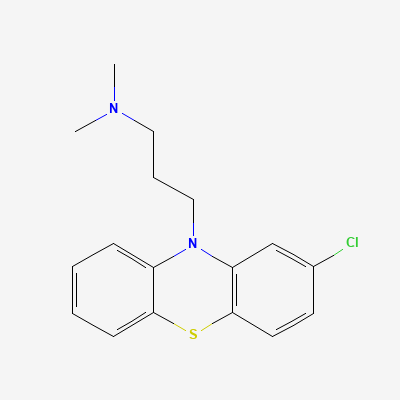
Chlorpromazine

Typical (first-generation) phenothiazine antipsychotic · Antipsychotic

Also known as Chlorpromazine Hydrochloride, CPZ, Thorazine, Largactil
START
Baseline ECG (QTc), LFTs, CBC. Check for CYP2D6 poor metabolizer status if available. Assess falls risk (elderly).
TYPICAL MAX
2000mg/day. Avoid exceeding 1000mg/day in elderly. EPS and sedation are dose-limiting.
STOP IF
NMS (fever, rigidity, autonomic instability), QTc >500ms, agranulocytosis, neuroleptic-induced jaundice, severe TD.
WATCH
EPS—monitor with AIMS (abnormal involuntary movement scale) for TD. Orthostatic BP (especially elderly). Photosensitivity—counsel sun protection. Anticholinergic burden in elderly. Do not stop abruptly—withdrawal dyskinesia risk.
CDSCO approvedSchedule HJan AushadhiNPPA price-controlledATC N05AA01
Dose laddermg/d
10start25titrate100Step-up (TID)400titrate800max2kAbsolute max
Renal dose adjustmenteGFR mL/min/1.73m²
CAUTIONUse caution; lower starting doses30REDUCEUse 50% of usual dose; monitor for s…90

KDIGO 2024 + manufacturer label

Pharmacokineticsplasma · t hours
1hONSET3hPEAK1.3d6hDURATION
ONSET
1h · Onset 30-60 min (PO)
PEAK
3h · Tmax 2-4 hours
1.3d · t½ ~30 hours
DURATION
6h · 4-6 hours per dose
EXCRETION
Renal as metabolites (~80%)
route + CYP
INTERACTIONS
12 major
incl. contraindicated
PREGNANCY
Crosses placenta; may cause extrapyramidal symptoms and withdrawal in neonates if used near term. Use only if benefit outweighs risk.
FDA category + note
Top interactionssee all 12
  • AminophyllineContraindicatedTextbookKDT 7e · p227
  • CodeineSevereTextbook-citedKDT 7e · p950
  • DiazepamSevereTextbook-citedKDT 7e · p950
  • MorphineSevereTextbook-citedKDT 7e · p950
Available in India

67 branded formulations and 59 fixed-dose combinations. Look up specific brands in the Drugs workspace.

Jan Aushadhi — generic available at GoI pharmacies

Mechanism

Non-selective dopamine D2 receptor antagonism (mesolimbic pathway = antipsychotic effect; nigrostriatal = EPS; tuberoinfundibular = hyperprolactinemia). Also blocks α1-adrenergic, muscarinic, and histamine H1 receptors.

Indications

Schizophrenia and other psychotic disordersBipolar disorder (acute mania)Severe behavioral problems in childrenIntractable hiccupsNausea and vomiting (intractable)Acute intermittent porphyriaPreoperative sedation

Dosing

Adult
Psychosis: 25mg PO TID initially, increase gradually to 400-800mg/day (max 2000mg/day). Acute agitation: 25-50mg IM/IV, may repeat. Hiccups: 25-50mg PO TID-QID. Nausea: 10-25mg PO/IM q4-6h PRN.
Pediatric
Psychosis (≥6 months): 0.5mg/kg PO q4-6h or 0.5-1mg/kg IM q6-8h. Max 40mg/day (1-5 years); 75mg/day (5-12 years).
Renal adjustment
Use caution; start with lower doses.
Hepatic adjustment
Reduce dose by 50% in hepatic impairment; avoid in severe liver disease.
Geriatric
Start 10-25mg PO BID-TID; increased sensitivity to sedation, hypotension, EPS, and anticholinergic effects.
Max dose
2000mg/day (adults); 75mg/day (children 5-12 years)

Pharmacokinetics

Onset
PO: 30-60 minutes; IM: 15-30 minutes; IV: immediate
Peak effect
PO: Tmax 2-4 hours; IM: peak in 1-2 hours
Duration
4-6 hours (PO); 4-8 hours (IM)
Half-life
~30 hours (range 18-30h); active metabolites prolong effect
Bioavailability
~10-33% (extensive first-pass metabolism)
Protein binding
95-98%
Metabolism
Extensive hepatic via CYP2D6 (major), CYP1A2, CYP3A4; many active metabolites including 7-hydroxychlorpromazine
Excretion
Metabolites primarily renal (~80%); some biliary

Contraindications

  • Coma or severe CNS depression
  • Concurrent use of large doses of CNS depressants
  • Severe hepatic or cardiovascular disease
  • Blood dyscrasias
  • Pheochromocytoma
  • QT prolongation / congenital long QT syndrome

Side effects

Common
SedationOrthostatic hypotensionDry mouthConstipationBlurred vision (anticholinergic)Urinary retentionWeight gain
Serious
  • Neuroleptic malignant syndrome (NMS)
  • Tardive dyskinesia
  • Severe extrapyramidal symptoms (dystonia, akathisia, parkinsonism)
  • QT prolongation / torsades de pointes
  • Agranulocytosis
  • Cholestatic jaundice
  • Seizures (lowers seizure threshold)

Pregnancy & lactation

Pregnancy

Crosses placenta; may cause extrapyramidal symptoms and withdrawal in neonates if used near term. Use only if benefit outweighs risk.

Lactation

Excreted in breast milk; may cause drowsiness and EPS in infant. Use lowest effective dose; consider alternative antipsychotic.

Drug interactions

Aminophylline
Contraindicated
Textbook

Should not be mixed in the same infusion bottle/syringe.

Do not mix.

Source: KDT 7e · p227

Codeine
Severe
Textbook-cited

Enhanced sedation and respiratory depression.

Avoid concurrent use

Source: KDT 7e · p950

Diazepam
Severe
Textbook-cited

Excessive sedation, respiratory depression, motor impairment.

Avoid concurrent use

Source: KDT 7e · p950

Morphine
Severe
Textbook-cited

Excessive sedation and respiratory depression; potentially fatal.

Avoid concurrent use

Source: KDT 7e · p950

Pethidine
Severe
Textbook-cited

Severe sedation and respiratory depression

Avoid concurrent use

Source: KDT 7e · p950

Alfentanil
Severe
Database

Drug interaction classified as: synergy

Source: DDInter

Aminolevulinic Acid
Severe
Database

Drug interaction classified as: synergy

Source: DDInter

Amiodarone
Severe
Database

Drug interaction classified as: synergy

Source: DDInter

Amisulpride
Severe
Database

Drug interaction classified as: synergy.

Source: DDInter

Anagrelide
Severe
Database

Drug interaction classified as: synergy

Source: DDInter

Arsenic Trioxide
Severe
Database

Drug interaction classified as: synergy

Source: DDInter

Bedaquiline
Severe
Database

Drug interaction classified as: synergy

Source: DDInter

Related guidelines

Ask House about Chlorpromazine

Continue into a citation-backed clinical answer with the drug context already attached.

Sources: KD Tripathi 7e, Goodman & Gilman 14e, Harrison 22e, Katzung·Verified: 2026-05-19 · House clinical team·Cockpit curated: 2026-05-19