Drug lookup
Drug reference

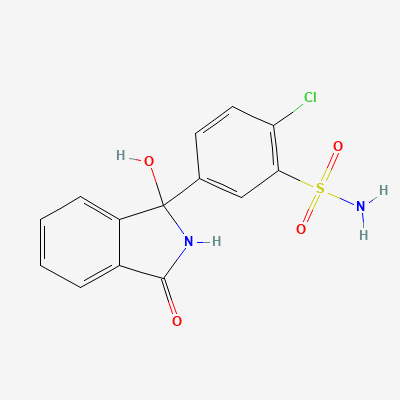
Chlorthalidone

Thiazide-like diuretic · Diuretic

Also known as Chlortalidone
START
Baseline electrolytes (Na, K, Mg, uric acid), creatinine, glucose. Check for gout history. In elderly: start 6.25-12.5mg (high hyponatremia risk).
TYPICAL MAX
50mg/day for hypertension; 100mg/day for edema. Higher doses increase metabolic side effects without proportional BP benefit.
STOP IF
Severe hyponatremia (<125 mmol/L), severe hypokalemia (<2.5 mmol/L), acute gout, anuria, severe hepatic impairment, pancreatitis.
WATCH
Electrolytes (Na, K, Mg) at 1-2 weeks, then every 3-6 months. Uric acid (gout risk). Glucose (may worsen glycemic control in diabetics). Renal function. Elderly women at highest hyponatremia risk. Take in morning to avoid nocturia.
CDSCO approvedATC C03BA04
Dose laddermg/d
6.25Elderly start12.5titrate25titrate50max100Max edema
Renal dose adjustmenteGFR mL/min/1.73m²
FULLStandard dosing30REDUCEReduced efficacy…15AVOIDAvoid; use loop …90

KDIGO 2024 + manufacturer label

Pharmacokineticsplasma · t hours
2.5hONSET4hPEAK2.1d2dDURATION
ONSET
2.5h · Onset 2-3 hours
PEAK
4h · Tmax 2-6 hours
2.1d · t½ ~40-60 hours
DURATION
2d · 24-72 hours
EXCRETION
Renal unchanged (~65%)
route + CYP
INTERACTIONS
12 major
incl. contraindicated
PREGNANCY
Crosses placenta; may cause fetal electrolyte disturbances, jaundice, thrombocytopenia. Use only if essential—preferred in pregnancy over ACE inhibitors/ARBs for hypertension.
FDA category + note
Top interactionssee all 12
  • QuinidineContraindicatedTextbookG&G 14e · p567
  • CotrimoxazoleSevereTextbook-citedKDT 7e · p948
  • SulfonamidesSevereTextbook-citedKDT 7e · p948
  • Aminolevulinic AcidSevereDatabaseDDInter
Available in India

54 branded formulations and 55 fixed-dose combinations. Look up specific brands in the Drugs workspace.

Mechanism

Inhibits sodium-chloride cotransporter (NCC) in the distal convoluted tubule, reducing sodium and water reabsorption. Also has vasodilatory effects independent of diuresis. Longer-acting than hydrochlorothiazide.

Indications

Hypertension (first-line, especially in Black patients and elderly)Edema (heart failure, hepatic cirrhosis, renal disease)Prevention of calcium nephrolithiasisDiabetes insipidus (nephrogenic)Osteoporosis (reduces urinary calcium excretion)

Dosing

Adult
Hypertension: 12.5-25mg PO daily initially; may increase to 50mg daily. Edema: 50-100mg daily or 100mg every other day. Lower doses (6.25-12.5mg) effective for BP with fewer metabolic side effects.
Pediatric
2mg/kg/day (max 50mg) in single or divided doses.
Renal adjustment
CrCl <30: reduced efficacy; loop diuretic preferred. Avoid if CrCl <15.
Hepatic adjustment
Use caution; may precipitate hepatic encephalopathy (hypokalemia).
Geriatric
Start 6.25-12.5mg daily; increased risk of hyponatremia and hypokalemia; monitor electrolytes closely.
Max dose
100mg/day (edema); 50mg/day (hypertension)

Pharmacokinetics

Onset
2-3 hours
Peak effect
Tmax 2-6 hours; diuretic peak at 4-6 hours; antihypertensive effect over 1-2 weeks
Duration
24-72 hours (much longer than HCTZ)
Half-life
~40-60 hours (long terminal half-life)
Bioavailability
~65%
Protein binding
~75%
Metabolism
Minimal hepatic metabolism
Excretion
~65% unchanged in urine; some biliary/fecal excretion

Contraindications

  • Anuria
  • Severe renal or hepatic impairment
  • Sulfonamide hypersensitivity (relative)
  • Hypokalemia
  • Hyponatremia
  • Gout (acute—may precipitate flare)

Side effects

Common
HypokalemiaHyponatremiaHyperuricemia / goutHyperglycemiaDizziness / orthostatic hypotensionPhotosensitivityImpotence
Serious
  • Severe hyponatremia (especially elderly women)
  • Severe hypokalemia (arrhythmia risk)
  • Acute gout
  • Pancreatitis (rare)
  • Blood dyscrasias (agranulocytosis, thrombocytopenia—rare)
  • Severe hepatic impairment
  • Hypomagnesemia

Pregnancy & lactation

Pregnancy

Crosses placenta; may cause fetal electrolyte disturbances, jaundice, thrombocytopenia. Use only if essential—preferred in pregnancy over ACE inhibitors/ARBs for hypertension.

Lactation

Excreted in breast milk in small amounts; may suppress lactation. Generally compatible at low doses; monitor infant for diuresis and electrolyte disturbances.

Drug interactions

Quinidine
Contraindicated
Textbook

Fatal ventricular arrhythmias.

Avoid coadministration or ensure strict potassium management.

Source: G&G 14e · p567

Cotrimoxazole
Severe
Textbook-cited

Increased incidence of thrombocytopenia

Avoid concurrent use

Source: KDT 7e · p948

Sulfonamides
Severe
Textbook-cited

Increased incidence of thrombocytopenia

Avoid concurrent use

Source: KDT 7e · p948

Aminolevulinic Acid
Severe
Database

Drug interaction classified as: synergy

Source: DDInter

Amiodarone
Severe
Database

Drug interaction classified as: synergy.

Source: DDInter

Arsenic Trioxide
Severe
Database

Fatal ventricular arrhythmias.

Avoid coadministration or ensure strict potassium management.

Source: DDInter

Cisapride
Severe
Database

Drug interaction classified as: synergy

Source: DDInter

Dofetilide
Severe
Database

Fatal ventricular arrhythmias.

Avoid coadministration or ensure strict potassium management.

Source: DDInter

Dolasetron
Severe
Database

Drug interaction classified as: synergy

Source: DDInter

Dronedarone
Severe
Database

Drug interaction classified as: synergy

Source: DDInter

Droperidol
Severe
Database

Drug interaction classified as: synergy

Source: DDInter

Levacetylmethadol
Severe
Database

Drug interaction classified as: synergy

Source: DDInter

Related guidelines

Ask House about Chlorthalidone

Continue into a citation-backed clinical answer with the drug context already attached.

Sources: KD Tripathi 7e, Goodman & Gilman 14e, Harrison 22e, Katzung·Verified: 2026-05-19 · House clinical team·Cockpit curated: 2026-05-19