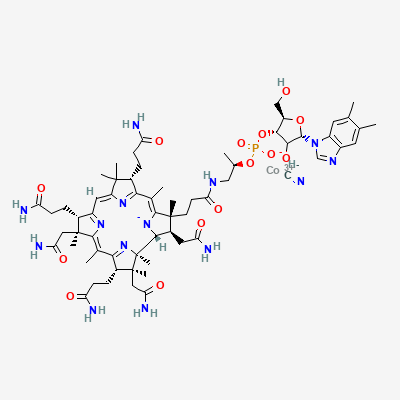
High-dose folic acid can correct the hematologic abnormalities of B12 deficiency while allowing irreversible neurologic damage (subacute combined degeneration) to progress unchecked.
Never treat megaloblastic anemia with folate alone without first ruling out B12 deficiency. Always check B12 and MMA levels before initiating folate therapy.
Source: Kimi deep-research + Cla
ChloramphenicolModerate
Database
Chloramphenicol may interfere with erythropoietic response to vitamin B12 by suppressing bone marrow erythroid activity.
Monitor hematologic response closely if concurrent use is necessary; consider alternative antibiotic if B12 deficiency is being treated.
Source: Kimi deep-research + Cla
ColchicineModerate
Database
Colchicine reduces intestinal absorption of vitamin B12 by causing intestinal mucosal damage.
Monitor B12 levels during prolonged colchicine therapy; supplement with B12 if deficiency develops. Parenteral B12 may be preferred.
Source: Kimi deep-research + Cla
MetforminModerate
Database
Long-term metformin use reduces intestinal absorption of vitamin B12 via effects on calcium-dependent ileal membrane action and/or alterations in intestinal bacterial flora.
Check B12 levels annually in patients on long-term metformin; supplement with oral B12 1000 mcg/day or use parenteral B12 if deficient.
Source: Kimi deep-research + Cla
Proton Pump InhibitorsModerate
Database
PPIs suppress gastric acid production, reducing release of food-bound B12 and potentially affecting intrinsic factor secretion, leading to decreased B12 absorption.
Monitor B12 levels in patients on long-term PPI therapy (>2 years); consider B12 supplementation, especially in elderly or malnourished patients.
Source: Kimi deep-research + Cla
7 additional unreviewed or low-confidence interactions hidden because their provenance or source detail is insufficient.