Drug lookup
Drug reference

Dapagliflozin

Sodium-glucose cotransporter 2 (SGLT2) inhibitor (gliflozin) · Antidiabetic

Also known as Dapagliflozin propanediol, Forxiga, Farxiga, Oxra
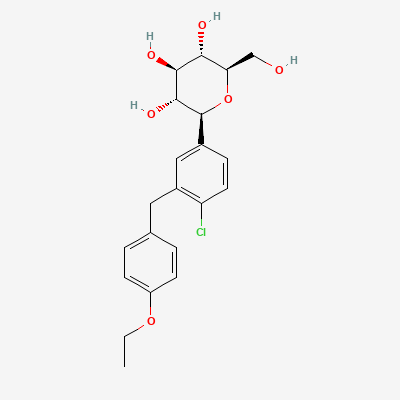
START
10 mg OD taken in the morning; check baseline eGFR, volume status, BP; ensure patient can maintain adequate hydration
TYPICAL MAX
10 mg/day (no dose escalation)
STOP IF
eGFR <15 mL/min, signs of DKA (nausea, vomiting, abdominal pain, Kussmaul breathing), severe volume depletion, Fournier's gangrene
WATCH
eGFR at baseline and periodically, volume status/BP, signs of genital infection, ketones if ill or peri-surgical, HbA1c at 3-6 months
CDSCO approvedSchedule H (Prescription drug under Indian law). Ensure this aligns with local drug control authorities. However, most modern drugs are Schedule H. For clarity, it's a prescription-only drug in India. Based on general knowledge, it falls under Schedule H in India, requiring a prescription from a registered medical practitioner. Some modern drugs may also fall under Schedule H1 if they have potential for abuse or resistance, but SGLT2 inhibitors are generally Schedule H. I will stick with 'Schedule H'.ATC A10BK01
Renal dose adjustmenteGFR mL/min/1.73m²
FULL10 mg OD standard; glycemic and organ protection benefits45CAUTION10 mg OD for HF/CKD; gl…25REDUCEContinue 1…15AVOIDDiscontinue90

KDIGO 2024 + manufacturer label

Pharmacokineticsplasma · t hours
23minONSET1.5hPEAK12.9h1dDURATION
ONSET
23min · absorption onset
PEAK
1.5h · Peak plasma concentration
12.9h · Half-life supports once-daily dosing
DURATION
1d · 24-hour SGLT2 inhibition
EXCRETION
Urine (75%, as metabolites)
route + CYP
INTERACTIONS
1 major
SEVERE in our sources
PREGNANCY
Avoid in second and third trimesters; animal studies show renal developmental toxicity; limited data in first trimester
FDA category + note
Top interactionssee all 11
  • GatifloxacinSevereDatabaseDDInter
Available in India

263 branded formulations and 39 fixed-dose combinations. Look up specific brands in the Drugs workspace.

Mechanism

Selective inhibition of SGLT2 in proximal renal tubule, reducing renal glucose reabsorption and promoting urinary glucose excretion (glycosuria). This results in insulin-independent glucose lowering, osmotic diuresis, natriuresis, and modest weight loss. Cardiac benefits likely mediated by improved cardiac energetics, reduced preload/afterload, and anti-fibrotic effects.

Indications

Type 2 diabetes mellitus (monotherapy or combination)Heart failure with reduced ejection fraction (HFrEF)Heart failure with preserved ejection fraction (HFpEF)Chronic kidney disease (to reduce progression)Type 1 diabetes (some markets, with insulin)

Dosing

Adult
T2DM: 10 mg OD. HFrEF/HFpEF: 10 mg OD regardless of diabetes status. CKD: 10 mg OD
Pediatric
Not recommended under 18 years in most markets
Renal adjustment
T2DM: start if eGFR >/=25; discontinue if eGFR <15. HF/CKD: continue down to eGFR 15; stop if <15 or dialysis
Hepatic adjustment
No dose adjustment for mild, moderate, or severe hepatic impairment (FDA §8.7); in severe, individually assess benefit–risk.
Geriatric
Standard dosing; monitor for volume depletion and hypotension
Max dose
10 mg/day

Pharmacokinetics

Onset
Days (glucose lowering); Weeks to months (cardiac/renal benefits)
Peak effect
1-2 hours (Tmax)
Duration
24 hours
Half-life
12.9 hours
Bioavailability
78%
Protein binding
91%
Metabolism
Hepatic UGT1A9-mediated glucuronidation (primary); CYP-mediated metabolism (minor)
Excretion
Urine (75%, primarily as metabolites); fecal (21%)

Contraindications

  • History of serious hypersensitivity to dapagliflozin
  • Severe renal impairment (eGFR <15 or dialysis) for glycemic control; eGFR <25 for HF/CKD indications
  • Diabetic ketoacidosis
  • Volume depletion

Side effects

Common
Genital mycotic infections (vulvovaginal candidiasis, balanitis)Urinary tract infectionsPolyuriaPollakiuriaVolume depletion symptoms (dizziness, orthostatic hypotension)ThirstConstipationBack pain
Serious
  • Diabetic ketoacidosis (euglycemic DKA possible)
  • Fournier's gangrene (necrotizing fasciitis of perineum)
  • Volume depletion / acute kidney injury
  • Severe UTI (pyelonephritis, urosepsis)
  • Lower limb amputation (risk signal, causal relationship uncertain)
  • Hypersensitivity reactions

Pregnancy & lactation

Pregnancy

Avoid in second and third trimesters; animal studies show renal developmental toxicity; limited data in first trimester

Lactation

Excreted in breast milk; avoid during breastfeeding

Drug interactions

Gatifloxacin
Severe
Database

Clinical effect not specified

Source: DDInter

Ace Inhibitors
Moderate
Database

Increased risk of hypotension and potential for acute kidney injury, especially in patients with pre-existing renal impairment or volume depletion.

Monitor blood pressure and renal function closely, especially at initiation of therapy or dose changes. Ensure adequate hydration. Consider dose adjustment of either agent if hypotension or renal dysfunction occurs.

Angiotensin Receptor Blockers (arbs)
Moderate
Database

Increased risk of hypotension and potential for acute kidney injury, especially in patients with pre-existing renal impairment or volume depletion.

Monitor blood pressure and renal function closely, especially at initiation of therapy or dose changes. Ensure adequate hydration. Consider dose adjustment of either agent if hypotension or renal dysfunction occurs.

Furosemide
Moderate
Database

Excessive diuresis, dehydration, hypotension, AKI

Monitor volume status. Reduce furosemide dose.

Source: DDInter

Lithium
Moderate
Database

SGLT2 inhibition reduces renal lithium clearance; can cause lithium toxicity

Monitor lithium levels closely; avoid if possible

Source: Kimi deep-research + Cla

Loop Diuretics
Moderate
Database

Additive volume depletion and hypotension risk; may precipitate AKI

Monitor volume status, renal function, and BP; consider reducing diuretic dose

Source: Kimi deep-research + Cla

Nsaids
Moderate
Database

NSAIDs can impair renal function and, in combination with dapagliflozin's diuretic effect, may increase the risk of acute kidney injury, especially in volume-depleted patients or those with pre-existing renal impairment.

Monitor renal function closely, especially in patients at higher risk. Ensure adequate hydration. Avoid concomitant use in patients with significant renal impairment or volume depletion if possible.

Rifampicin
Moderate
Database

Reduced SGLT2i levels

Monitor glucose. May need dose adjustment.

Source: DDInter

Spironolactone
Moderate
Database

Hypotension, dehydration

Monitor volume status and electrolytes.

Source: DDInter

Sulfonylureas
Moderate
Database

Increased risk of hypoglycemia.

When dapagliflozin is added to sulfonylurea therapy, a lower dose of the sulfonylurea may be required to minimize the risk of hypoglycemia. Monitor blood glucose levels closely and adjust sulfonylurea dose as needed.

Thiazide Diuretics
Moderate
Database

Increased risk of dehydration, hypovolemia, and hypotension, especially in elderly patients or those with impaired renal function.

Monitor for signs and symptoms of dehydration and hypotension. Consider reducing the dose of the thiazide diuretic or dapagliflozin, or temporarily discontinuing dapagliflozin during periods of acute illness or dehydration.

1 additional low-confidence interaction hidden — those rows lack a documented mechanism or management plan in our sources.

Related guidelines

Ask House about Dapagliflozin

Continue into a citation-backed clinical answer with the drug context already attached.

Sources: KD Tripathi 7e, Goodman & Gilman 14e, Katzung, BNF·Verified: 2026-05-19 · House clinical team·Cockpit curated: 2026-05-19