Drug lookup
Drug reference

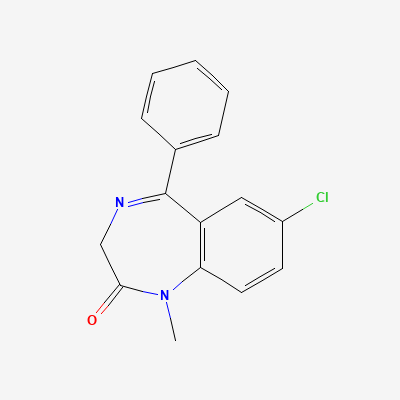
Diazepam

Benzodiazepine (long-acting) · Anxiolytic/Sedative

Also known as Valium, Calmpose, Dizac, Pacitane, Diazepin
START
Anxiety: 2 mg PO 2 times daily. Alcohol withdrawal: 10 mg PO/IV q1-4h (CIWA-guided). Seizures: 5-10 mg IV. Use lowest effective dose for shortest duration; avoid in elderly if possible
TYPICAL MAX
40 mg/day (oral); 30 mg IV
STOP IF
Severe respiratory depression, paradoxical agitation, signs of dependence, jaundice
WATCH
Sedation level, respiratory rate (if IV or with opioids), falls risk (elderly), cognitive function, signs of dependence/tolerance, taper gradually (>/=4 weeks for long-term use)
CDSCO approvedSchedule XJan AushadhiNPPA price-controlledATC N05BA01
Dose laddermg/d
2start5titrate10titrate40ceiling
Renal dose adjustmenteGFR mL/min/1.73m²
FULLNo renal adjustment - hepatically metabolized to active metabolites090

KDIGO 2024 + manufacturer label

Pharmacokineticsplasma · t hours
30minONSET1.5hPEAK2.1d12hDURATION
ONSET
30min · PO: 15-60 min; IV: 1-5 min
PEAK
1.5h · PO peak
2.1d · 20-80 hours (parent); metabolites much longer
DURATION
12h · 12+ hours (long-acting)
EXCRETION
Renal (metabolites)
route + CYP
INTERACTIONS
12 major
SEVERE in our sources
PREGNANCY
Avoid in pregnancy; risk of congenital malformations (cleft lip/palate) and floppy infant syndrome; contraindicated in first trimester; neonatal withdrawal syndrome
FDA category + note
Top interactionssee all 12
  • AlcoholSevereTextbook-citedKDT 7e · p950
  • ChlorpromazineSevereTextbook-citedKDT 7e · p950
  • CodeineSevereTextbook-citedKDT 7e · p950
  • FentanylSevereTextbook-citedKDT 7e · p950
Available in India

86 branded formulations and 92 fixed-dose combinations. Look up specific brands in the Drugs workspace.

Jan Aushadhi — generic available at GoI pharmacies

Mechanism

Positive allosteric modulator at GABA-A receptors, increasing the frequency of chloride channel opening and enhancing GABA-mediated inhibitory neurotransmission. Long-acting due to active metabolites (desmethyldiazepam, oxazepam, temazepam). Produces anxiolytic, sedative-hypnotic, muscle relaxant, anticonvulsant, and amnestic effects.

Indications

Anxiety disorders (short-term)Acute alcohol withdrawalMuscle spasmSeizures / status epilepticus (IV/rectal)Pre-operative sedationInsomnia (short-term)Convulsive disorders (adjunctive)

Dosing

Adult
Anxiety: 2-10 mg PO 2-4 times daily. Alcohol withdrawal: 10 mg PO/IV q1-4h PRN (CIWA-guided), then taper. Muscle spasm: 2-10 mg PO 3-4 times daily. Seizures: 5-10 mg IV/PR (may repeat q10-15min, max 30 mg). Pre-op: 10 mg PO/IM/IV
Pediatric
>6 months: 1-2.5 mg PO 3-4 times daily. Seizures: 0.2-0.5 mg/kg PR/IV (max 10 mg)
Renal adjustment
No adjustment needed; hepatically metabolized to active metabolites
Hepatic adjustment
Reduce dose by 50%; avoid in severe hepatic impairment (accumulation of active metabolites)
Geriatric
Start 2 mg 1-2 times daily; increased sensitivity to sedation, falls, cognitive effects; avoid if possible
Max dose
40 mg/day (oral); 30 mg IV (status epilepticus)

Pharmacokinetics

Onset
PO: 15-60 minutes; IV: 1-5 minutes; PR: 5-15 minutes; IM: variable (slow and erratic absorption)
Peak effect
PO: 1-2 hours; IV: immediate
Duration
PO: 6-12 hours (long-acting due to active metabolites); IV: 15-60 minutes
Half-life
Diazepam: 20-80 hours; Desmethyldiazepam (active metabolite): 36-200 hours
Bioavailability
PO: ~100%; IM: variable (not recommended)
Protein binding
98%
Metabolism
Hepatic CYP2C19 and CYP3A4 (N-demethylation to desmethyldiazepam, then hydroxylation to oxazepam and temazepam)
Excretion
Renal (primarily as metabolites)

Contraindications

  • Hypersensitivity to diazepam or other benzodiazepines
  • Acute narrow-angle glaucoma
  • Severe respiratory insufficiency / sleep apnea
  • Severe hepatic impairment
  • Myasthenia gravis
  • Concurrent use with sodium oxybate

Side effects

Common
Sedation / drowsinessFatigueMuscle weaknessAtaxiaDizzinessConfusion (especially elderly)Dry mouthConstipation
Serious
  • Respiratory depression (especially with opioids or IV)
  • Dependence and withdrawal syndrome (can be life-threatening)
  • Paradoxical reactions (agitation, aggression)
  • Anterograde amnesia
  • Severe hypotension
  • Jaundice (rare)

Pregnancy & lactation

Pregnancy

Avoid in pregnancy; risk of congenital malformations (cleft lip/palate) and floppy infant syndrome; contraindicated in first trimester; neonatal withdrawal syndrome

Lactation

Excreted in breast milk; may cause sedation in infant; avoid if possible or use lowest dose

Drug interactions

Alcohol
Severe
Textbook-cited

Excessive sedation, respiratory depression, motor impairment

Avoid concurrent use

Source: KDT 7e · p950

Chlorpromazine
Severe
Textbook-cited

Excessive sedation, respiratory depression, motor impairment.

Avoid concurrent use

Source: KDT 7e · p950

Codeine
Severe
Textbook-cited

Excessive sedation, respiratory depression, motor impairment.

Avoid concurrent use

Source: KDT 7e · p950

Fentanyl
Severe
Textbook-cited

Excessive sedation, respiratory depression, motor impairment.

Avoid concurrent use

Source: KDT 7e · p950

Haloperidol
Severe
Textbook-cited

Excessive sedation, respiratory depression, motor impairment.

Avoid concurrent use

Source: KDT 7e · p950

Morphine
Severe
Textbook-cited

Excessive sedation, respiratory depression, motor impairment.

Avoid concurrent use

Source: KDT 7e · p950

Pethidine
Severe
Textbook-cited

Excessive sedation, respiratory depression, motor impairment.

Avoid concurrent use

Source: KDT 7e · p950

Promethazine
Severe
Textbook-cited

Excessive sedation, respiratory depression, motor impairment.

Avoid concurrent use

Source: KDT 7e · p950

Risperidone
Severe
Textbook-cited

Excessive sedation, respiratory depression, motor impairment.

Avoid concurrent use

Source: KDT 7e · p950

Tramadol
Severe
Textbook-cited

Excessive sedation, respiratory depression, motor impairment.

Avoid concurrent use

Source: KDT 7e · p950

Azoles
Severe
Textbook

Increased plasma levels of diazepam.

Source: Harrison 22e · p1742

Methylnaltrexone
Severe
Textbook

Increased rates of accidental overdose and death.

Caution is advised, especially for patients with a history of drug abuse.

Source: G&G 14e

Related guidelines

Ask House about Diazepam

Continue into a citation-backed clinical answer with the drug context already attached.

Sources: KD Tripathi 7e, Goodman & Gilman 14e, Harrison 22e, Katzung·Verified: 2026-05-19 · House clinical team·Cockpit curated: 2026-05-19