Drug lookup
Drug reference

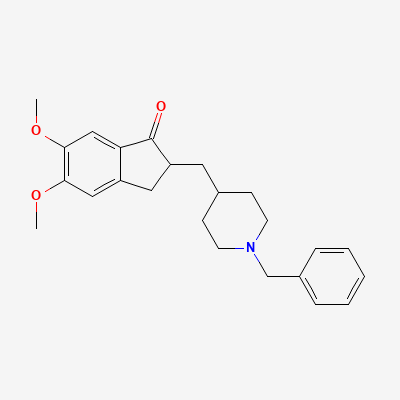
Donepezil

Centrally-acting reversible acetylcholinesterase inhibitor · Cognitive Enhancer

Also known as Donepezil Hydrochloride, Aricept
START
Baseline HR and ECG (bradycardia risk). Assess GI history (PUD risk). Administer at bedtime to minimize GI side effects and insomnia. Inform patient/caregiver that benefit is modest and disease progression continues.
TYPICAL MAX
23mg only for severe Alzheimer's after 3 months at 10mg. Higher GI side effects at 23mg. Do not exceed 10mg in mild-moderate disease.
STOP IF
Syncope, HR <50 bpm, new AV block, severe GI bleeding, severe bradycardia, anaphylaxis.
WATCH
Bradycardia and syncope risk—especially with concurrent beta-blockers or calcium channel blockers. GI side effects common—take with food if needed. Cholinergic excess symptoms (salivation, lacrimation, diarrhea). Monitor weight (anorexia common).
CDSCO approvedSchedule HATC N06DA02
Dose laddermg/d
5start10titrate23ceiling
Renal dose adjustmenteGFR mL/min/1.73m²
FULLNo adjustment needed15FULLNo adjustment (m…90

KDIGO 2024 + manufacturer label

Pharmacokineticsplasma · t hours
1hONSET3.5hPEAK2.9d1dDURATION
ONSET
1h · Onset ~1 hour
PEAK
3.5h · Tmax ~3-4 hours
2.9d · t½ ~70 hours
DURATION
1d · 24 hours (QD)
EXCRETION
Fecal as metabolites (~57%)
route + CYP
INTERACTIONS
6 major
SEVERE in our sources
PREGNANCY
Not indicated in pregnancy; animal data show no teratogenicity. Use only if clearly needed.
FDA category + note
Top interactionssee all 7
  • BupropionSevereDatabaseDDInter
  • IohexolSevereDatabaseDDInter
  • IopamidolSevereDatabaseDDInter
  • OzanimodSevereDatabaseDDInter
Available in India

86 branded formulations and 39 fixed-dose combinations. Look up specific brands in the Drugs workspace.

Mechanism

Selectively and reversibly inhibits acetylcholinesterase in the CNS, increasing acetylcholine concentration at cholinergic synapses, improving cholinergic neurotransmission and cognitive function in Alzheimer's disease

Indications

Alzheimer's disease (mild, moderate, and severe)Lewy body dementia (off-label)Vascular dementia (off-label, limited evidence)

Dosing

Adult
5mg PO daily at bedtime x 4-6 weeks, then increase to 10mg daily. Severe Alzheimer's: may increase to 23mg daily after 3 months at 10mg.
Pediatric
Not indicated in children.
Renal adjustment
No adjustment needed (minimal renal excretion).
Hepatic adjustment
Mild-moderate: no adjustment. Severe: use caution (limited data).
Geriatric
No specific adjustment; start 5mg daily; monitor for bradycardia and syncope.
Max dose
23mg/day (severe Alzheimer's only); 10mg/day (mild-moderate)

Pharmacokinetics

Onset
Cognitive improvement: 4-6 weeks; maximal benefit: 3-6 months
Peak effect
Tmax 3-4 hours; steady-state in ~15 days
Duration
24 hours (QD dosing)
Half-life
~70 hours (mean 70; range 50-100h); long half-life allows QD dosing
Bioavailability
~100%
Protein binding
~96% (albumin)
Metabolism
Hepatic via CYP2D6 (major), CYP3A4; metabolites include 6-O-desmethyldonepezil (active)
Excretion
~57% fecal (17% unchanged); ~28% renal (no unchanged drug)

Contraindications

  • Hypersensitivity to donepezil or piperidine derivatives
  • Severe hepatic impairment

Side effects

Common
Nausea and vomitingDiarrheaInsomnia (if taken late)Muscle crampsFatigueAnorexia / weight lossBradycardia
Serious
  • Bradycardia / heart block / syncope (vagotonic effect)
  • Seizures (lowers seizure threshold)
  • Peptic ulcer disease / GI bleeding
  • Worsening of asthma or COPD (bronchospasm)
  • Urinary obstruction (BPH)
  • Rhabdomyolysis (rare)

Pregnancy & lactation

Pregnancy

Not indicated in pregnancy; animal data show no teratogenicity. Use only if clearly needed.

Lactation

Excretion in breast milk unknown; not expected to be significant due to high protein binding. Use with caution.

Drug interactions

Bupropion
Severe
Database

Drug interaction classified as: metabolism.

Source: DDInter

Iohexol
Severe
Database

Clinical effect not specified

Source: DDInter

Iopamidol
Severe
Database

Clinical effect not specified

Source: DDInter

Ozanimod
Severe
Database

Clinical effect not specified

Source: DDInter

Siponimod
Severe
Database

Clinical effect not specified

Source: DDInter

Tramadol
Severe
Database

.

Source: DDInter

Citicoline
Moderate
Database

Increased risk of cholinergic side effects such as nausea, vomiting, diarrhea, abdominal cramps, bradycardia, and increased salivation.

Monitor for signs of excessive cholinergic activity. Consider dose reduction of either agent if side effects occur.

5 additional low-confidence interactions hidden — those rows lack a documented mechanism or management plan in our sources.

Related guidelines

Ask House about Donepezil

Continue into a citation-backed clinical answer with the drug context already attached.

Sources: KD Tripathi 7e, Goodman & Gilman 14e, Katzung, BNF·Verified: 2026-05-19 · House clinical team·Cockpit curated: 2026-05-19