Drug lookup
Drug reference

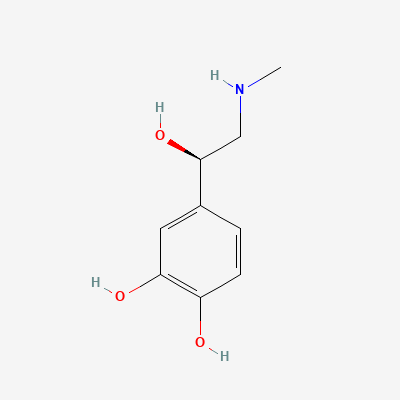
Epinephrine

Endogenous catecholamine (alpha + beta adrenergic agonist) · Bronchodilator

Also known as Adrenaline, Epinephrine Bitartrate, Epinephrine Hydrochloride
START
Anaphylaxis 0.3–0.5 mg IM (1:1000) thigh, repeat q5–15 min; arrest 1 mg IV (1:10,000) q3–5 min
TYPICAL MAX
Anaphylaxis ~0.5 mg/IM dose (repeat PRN); arrest 1 mg IV q3–5 min — do not delay in emergency
STOP IF
In emergencies do not withhold; for non-emergency infusion stop if severe arrhythmia/ischaemia/hypertension
WATCH
Route/concentration accuracy (1:1000 IM vs 1:10,000 IV), ECG/BP, response, biphasic anaphylaxis observation
CDSCO approvedSchedule HATC C01CA24
Dose laddermg/d
0.3start0.5titrate1ceiling
Renal dose adjustmenteGFR mL/min/1.73m²
FULLNo dose adjustment at any eGFR (emergency drug)90

KDIGO 2024 + manufacturer label

Pharmacokineticsplasma · t hours
5minONSET10minPEAK2min8minDURATION
ONSET
5min · IM onset (~5 min)
PEAK
10min · IM peak (~10 min)
2min · plasma t½ (~2.5 min)
DURATION
8min · IM effect (~8 min)
EXCRETION
COMT/MAO metabolism; renal metabolites
route + CYP
INTERACTIONS
12 major
SEVERE in our sources
PREGNANCY
Use without hesitation in anaphylaxis/arrest — benefit outweighs risk (untreated anaphylaxis is more dangerous)
FDA category + note
Top interactionssee all 12
  • AmitriptylineSevereTextbook-citedKDT 7e · p950
  • ClomipramineSevereTextbook-citedKDT 7e · p950
  • ImipramineSevereTextbook-citedKDT 7e · p950
  • NortriptylineSevereTextbook-citedKDT 7e · p950
Available in India

8 branded formulations and 15 fixed-dose combinations. Look up specific brands in the Drugs workspace.

Mechanism

Non-selective adrenergic agonist: alpha-1 vasoconstriction (raises BP, reduces mucosal/airway oedema), beta-1 inotropy/chronotropy, beta-2 bronchodilation and mast-cell stabilisation — the definitive treatment of anaphylaxis and a cardiac-arrest vasopressor.

Indications

Anaphylaxis (first-line)Cardiac arrest (ACLS)Severe symptomatic bradycardia/hypotension (infusion)Adjunct in local anaesthesia (vasoconstrictor); croup/severe bronchospasm (nebulised)

Dosing

Adult
Anaphylaxis: 0.3–0.5 mg IM (1:1000) anterolateral thigh, repeat every 5–15 min PRN. Cardiac arrest: 1 mg IV/IO (1:10,000) every 3–5 min. Refractory anaphylaxis/hypotension: IV infusion 0.05–0.1 mcg/kg/min titrated.
Pediatric
Anaphylaxis 0.01 mg/kg IM (max 0.3–0.5 mg); arrest 0.01 mg/kg IV/IO.
Renal adjustment
No adjustment (emergency).
Hepatic adjustment
No adjustment.
Geriatric
Standard emergency doses; cautious IV use (ischaemia/arrhythmia).
Max dose
Anaphylaxis IM ~0.5 mg/dose (repeat PRN); arrest 1 mg IV q3–5 min

Pharmacokinetics

Onset
IM 5–10 min; IV seconds
Peak effect
IM ~10 min; IV ~1 min
Duration
~5–10 min (IM); shorter IV
Half-life
~2–3 min
Bioavailability
IM/IV (not oral)
Protein binding
~50%
Metabolism
COMT/MAO (rapid)
Excretion
Renal (metabolites — metanephrine/VMA)

Contraindications

  • No absolute contraindication in life-threatening anaphylaxis/arrest
  • Caution (non-emergency use): severe coronary disease, tachyarrhythmia, phaeochromocytoma, uncorrected hyperthyroidism
  • Do not use local-anaesthetic-with-adrenaline in end-arterial fields (digits, etc. — traditional caution)

Side effects

Common
Palpitations/tachycardiaTremor, anxietyHeadachePallor, sweatingTransient hypertension
Serious
  • Myocardial ischaemia/infarction, arrhythmia (esp. IV/overdose)
  • Severe hypertension → intracranial haemorrhage
  • Pulmonary oedema
  • Tissue ischaemia/necrosis (extravasation, accidental digital injection)

Pregnancy & lactation

Pregnancy

Use without hesitation in anaphylaxis/arrest — benefit outweighs risk (untreated anaphylaxis is more dangerous)

Lactation

Compatible — not orally bioavailable, very short t½

Drug interactions

Amitriptyline
Severe
Textbook-cited

Exaggerated hypertensive response

Use local anaesthetic without adrenaline in patients on TCAs

Source: KDT 7e · p950

Clomipramine
Severe
Textbook-cited

Exaggerated hypertensive response

Use local anaesthetic without adrenaline in patients on TCAs

Source: KDT 7e · p950

Imipramine
Severe
Textbook-cited

Exaggerated hypertensive response

Use local anaesthetic without adrenaline in patients on TCAs

Source: KDT 7e · p950

Nortriptyline
Severe
Textbook-cited

Exaggerated hypertensive response.

Use local anaesthetic without adrenaline in patients on TCAs

Source: KDT 7e · p950

Bucindolol
Severe
Textbook

Severe hypertension and cerebral hemorrhage.

The use of epinephrine generally is contraindicated in patients who are receiving nonselective β receptor antagonists.

Source: G&G 14e · p258

Celiprolol
Severe
Textbook

Severe hypertension and cerebral hemorrhage.

The use of epinephrine generally is contraindicated in patients who are receiving nonselective β receptor antagonists.

Source: G&G 14e · p258

Esmolol Hydrochloride
Severe
Textbook

Severe hypertension and cerebral hemorrhage.

The use of epinephrine generally is contraindicated in patients who are receiving nonselective β receptor antagonists.

Source: G&G 14e · p258

Amitriptyline
Severe
Database

Increased effect of epinephrine, potentially leading to cardiovascular complications.

Precautions should be taken. Use minimal amount of vasoconstrictor necessary for good hemostasis and local anesthesia.

Source: DDInter

Amoxapine
Severe
Database

Increased effect of epinephrine, potentially leading to cardiovascular complications.

Precautions should be taken. Use minimal amount of vasoconstrictor necessary for good hemostasis and local anesthesia.

Source: DDInter

Carteolol
Severe
Database

Severe hypertension and cerebral hemorrhage.

The use of epinephrine generally is contraindicated in patients who are receiving nonselective β receptor antagonists.

Source: DDInter

Carvedilol
Severe
Database

Severe hypertension and cerebral hemorrhage.

The use of epinephrine generally is contraindicated in patients who are receiving nonselective β receptor antagonists.

Source: DDInter

Chlorpromazine
Severe
Database

Paradoxical hypotension and tachycardia, potentially leading to cardiovascular collapse.

Avoid using epinephrine to treat hypotension in patients on chlorpromazine. If a vasopressor is needed, use norepinephrine or phenylephrine.

Source: DDInter

Related guidelines

Ask House about Epinephrine

Continue into a citation-backed clinical answer with the drug context already attached.

Sources: Goodman & Gilman 14e, Katzung, BNF, Nelson·Verified: 2026-05-19 · House clinical team·Cockpit curated: 2026-05-19