Drug lookup
Drug reference

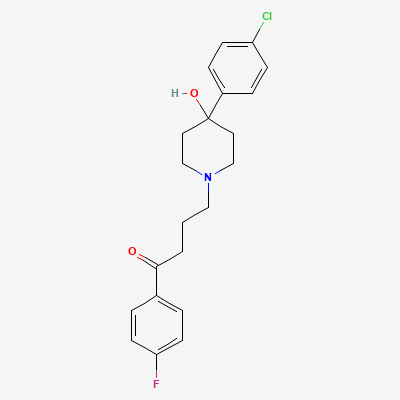
Haloperidol

First-generation (typical) antipsychotic (butyrophenone) · Antipsychotic

Also known as Haloperidol decanoate, Haldol, Serenace
START
Acute: 2-5 mg PO/IM; Chronic: 2-5 mg/day; Elderly/delirium: 0.5 mg; check baseline ECG (QTc), electrolytes
TYPICAL MAX
30 mg/day oral; 100 mg/day acute parenteral (exceptional circumstances)
STOP IF
QTc >500 ms, signs of NMS (fever, rigidity, autonomic instability), severe EPS, agranulocytosis
WATCH
QTc at baseline and with dose changes, electrolytes (K+, Mg2+, Ca2+), EPS (AIMS, SAS), prolactin if symptomatic, CBC if long-term
CDSCO approvedSchedule HJan AushadhiATC N05AD01
Dose laddermg/d
0.5start2titrate5titrate10titrate20ceiling
Renal dose adjustmenteGFR mL/min/1.73m²
FULLNo specific adjustment; start low and titrate090

KDIGO 2024 + manufacturer label

Pharmacokineticsplasma · t hours
30minONSET45minPEAK1d12hDURATION
ONSET
30min · IM: 20-40 min; PO: 2-4 hours
PEAK
45min · IM peak
1d · 25 hours (oral); 3 weeks (depot)
DURATION
12h · 12-hour coverage (oral)
EXCRETION
Renal (30-50%, metabolites)
route + CYP
INTERACTIONS
12 major
incl. contraindicated
PREGNANCY
Use only if benefits outweigh risks; neonatal EPS and withdrawal reported; third trimester exposure risk
FDA category + note
Top interactionssee all 12
  • DomperidoneContraindicatedDatabase
  • Qt Prolonging DrugsContraindicatedDatabaseKimi deep-research + Cla
  • DiazepamSevereTextbook-citedKDT 7e · p950
  • AbarelixSevereDatabaseDDInter
Available in India

248 branded formulations and 18 fixed-dose combinations. Look up specific brands in the Drugs workspace.

Jan Aushadhi — generic available at GoI pharmacies

Mechanism

Potent antagonist at dopamine D2 receptors in mesolimbic pathway (antipsychotic effect), nigrostriatal pathway (extrapyramidal side effects), and tuberoinfundibular pathway (hyperprolactinemia). Also has antagonist activity at alpha-1 adrenergic receptors and weak anticholinergic effects.

Indications

Schizophrenia and other psychotic disorders (acute and maintenance)Acute mania / bipolar disorder (adjunctive)Delirium (agitation management)Tourette syndromeHuntington's choreaSevere behavioral problems in children (short-term)

Dosing

Adult
Acute psychosis: 2-10 mg IM/IV, may repeat every 30-60 min (max 100 mg/day acute); Oral: 2-20 mg/day in divided doses. Maintenance: 5-20 mg/day. Delirium: 0.5-2 mg PO/IM/IV q2-4h PRN
Pediatric
3-12 years (Tourette/behavioral): 0.025-0.05 mg/kg/day in 2-3 divided doses
Renal adjustment
No specific adjustment; start low and titrate slowly
Hepatic adjustment
Reduce dose; haloperidol is hepatically metabolized
Geriatric
Start 0.5 mg once or twice daily; increased sensitivity to EPS and sedation; delirium: 0.25-0.5 mg PRN
Max dose
100 mg/day (acute parenteral); 30 mg/day (oral chronic)

Pharmacokinetics

Onset
PO: 2-4 hours; IM: 20-40 minutes; IV: rapid
Peak effect
PO: 2-6 hours; IM: 30-45 minutes
Duration
PO: 8-12 hours; IM depot: 4 weeks
Half-life
PO: 12-38 hours; IM depot: 3 weeks (due to slow absorption from muscle)
Bioavailability
PO: 60-70%; IM: 100%
Protein binding
90%
Metabolism
Hepatic CYP3A4 and CYP2D6 (extensive); glucuronidation and reduction
Excretion
Renal (30-50%, as metabolites); fecal (15-30%)

Contraindications

  • Parkinson's disease
  • Lewy body dementia
  • Severe CNS depression / coma
  • QT prolongation or congenital long QT syndrome
  • Concomitant QT-prolonging medications
  • Hypersensitivity to haloperidol
  • Basal ganglia lesions

Side effects

Common
Extrapyramidal symptoms (EPS): akathisia, dystonia, parkinsonismSedationDry mouthConstipationBlurred visionOrthostatic hypotensionHyperprolactinemia (galactorrhea, amenorrhea, sexual dysfunction)Weight gain
Serious
  • Neuroleptic malignant syndrome (NMS)
  • Tardive dyskinesia (potentially irreversible)
  • QT prolongation and torsades de pointes
  • Severe extrapyramidal reactions
  • Agranulocytosis (rare)
  • Hepatotoxicity (rare)
  • Seizure threshold lowering

Pregnancy & lactation

Pregnancy

Use only if benefits outweigh risks; neonatal EPS and withdrawal reported; third trimester exposure risk

Lactation

Excreted in breast milk; small amounts; monitor infant for sedation and EPS

Drug interactions

Domperidone
Contraindicated
Database

Increased risk of QT prolongation and Torsades de Pointes (TdP)

Concomitant use is contraindicated. Avoid co-administration.

Qt Prolonging Drugs
Contraindicated
Database

Additive QT prolongation; high risk of torsades de pointes

Avoid combination; monitor QTc if unavoidable

Source: Kimi deep-research + Cla

Diazepam
Severe
Textbook-cited

Excessive sedation, respiratory depression, motor impairment.

Avoid concurrent use

Source: KDT 7e · p950

Abarelix
Severe
Database

Drug interaction classified as: synergy

Source: DDInter

Abiraterone
Severe
Database

Drug interaction classified as: synergy

Source: DDInter

Adenosine
Severe
Database

Drug interaction classified as: synergy

Source: DDInter

Alimemazine
Severe
Database

Drug interaction classified as: synergy

Source: DDInter

Amitriptyline
Severe
Database

Drug interaction classified as: metabolism.

Source: DDInter

Amoxapine
Severe
Database

Drug interaction classified as: metabolism

Source: DDInter

Anagrelide
Severe
Database

Drug interaction classified as: synergy

Source: DDInter

Apalutamide
Severe
Database

Drug interaction classified as: synergy

Source: DDInter

Apomorphine
Severe
Database

Drug interaction classified as: synergy

Source: DDInter

Related guidelines

Ask House about Haloperidol

Continue into a citation-backed clinical answer with the drug context already attached.

Sources: KD Tripathi 7e, Goodman & Gilman 14e, Harrison 22e, Katzung·Verified: 2026-05-19 · House clinical team·Cockpit curated: 2026-05-19