Drug lookup
Drug reference

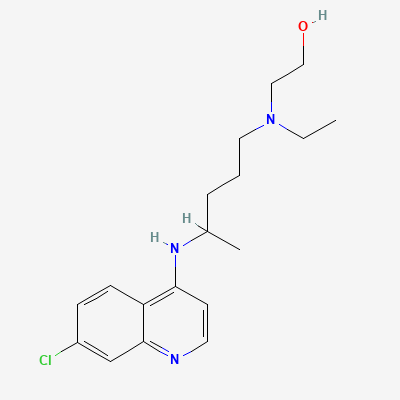
Hydroxychloroquine

4-aminoquinoline antimalarial / disease-modifying antirheumatic drug (DMARD) · Antirheumatic

Also known as Hydroxychloroquine sulfate, HCQ, Plaquenil
START
Baseline ophthalmologic exam (visual acuity, OCT, visual fields, fundoscopy) if using >3 months. Verify actual body weight for dosing (<5mg/kg/day). Check glucose (risk of hypoglycemia).
TYPICAL MAX
Never exceed 400mg/day or 5mg/kg/day actual body weight. Retinopathy risk is cumulative and dose-dependent.
STOP IF
Any visual changes, new cardiomyopathy symptoms, severe hypoglycemia, blood dyscrasia, severe myopathy.
WATCH
Ophthalmologic screening per AAO guidelines: baseline within 1 year of starting, then annually after 5 years (or sooner with risk factors). Real body weight dosing critical—obesity increases retinopathy risk if dosed by ideal body weight. ECG if cardiac disease. Blood glucose monitoring (especially with diabetes). May worsen psoriasis.
CDSCO approvedJan AushadhiATC P01BA02
Dose laddermg/d
200start400titrate800ceiling
Renal dose adjustmenteGFR mL/min/1.73m²
FULLNo adjustment30REDUCEReduce dose 50%15REDUCEUse 25-50% of do…90

KDIGO 2024 + manufacturer label

Pharmacokineticsplasma · t hours
1hONSET3hPEAK5.7w1wDURATION
ONSET
1h · Onset ~1 hour
PEAK
3h · Tmax 2-4.5 hours
5.7w · Terminal t½ ~40-50 days
DURATION
1w · Weekly (prophylaxis)
EXCRETION
Renal unchanged and metabolites (~50%)
route + CYP
INTERACTIONS
12 major
SEVERE in our sources
PREGNANCY
Preferred DMARD in pregnancy—continued benefit outweighs risk. Does not increase teratogenic risk. Fetal AV block risk in anti-Ro/SSA-positive mothers—monitor fetal echocardiography. Crosses placenta.
FDA category + note
Top interactionssee all 12
  • AlfuzosinSevereDatabaseDDInter
  • AlimemazineSevereDatabaseDDInter
  • AmiodaroneSevereDatabaseKimi deep-research + Cla
  • AmisulprideSevereDatabaseDDInter
Available in India

97 branded formulations. Look up specific brands in the Drugs workspace.

Jan Aushadhi — generic available at GoI pharmacies

Mechanism

In malaria: concentrates in parasite food vacuole, inhibiting heme polymerization. In autoimmune disease: accumulates in lysosomes, raising pH and inhibiting antigen presentation; blocks Toll-like receptor signaling; reduces cytokine production (TNF-α, IL-1, IL-6); inhibits T-cell activation.

Indications

Systemic lupus erythematosus (SLE)—first-line therapyRheumatoid arthritis (monotherapy or combination DMARD)Discoid lupus erythematosusCutaneous lupusAntiphospholipid syndrome (adjunctive)Malaria prophylaxis and treatment (chloroquine-resistant areas—limited)Sjögren's syndrome (off-label)Q fever (chronic, with doxycycline)Porphyria cutanea tarda (off-label)

Dosing

Adult
SLE/RA: 200-400mg PO daily (max 5mg/kg/day actual body weight; never exceed 400mg/day). Typically 200mg daily for SLE maintenance; 200-400mg for RA. Malaria prophylaxis: 400mg weekly starting 2 weeks before travel. Malaria treatment: 800mg, then 400mg at 6, 24, and 48 hours.
Pediatric
SLE/RA: 3-5mg/kg/day (max 400mg). Malaria prophylaxis: 5mg/kg weekly (max 400mg).
Renal adjustment
No adjustment needed for mild-moderate. Severe: reduce dose 50%.
Hepatic adjustment
No specific guidance; use caution.
Geriatric
No specific adjustment; higher retinopathy risk with age—strict eye screening essential.
Max dose
5mg/kg/day actual body weight; never exceed 400mg/day (chronic use)

Pharmacokinetics

Onset
Antimalarial: within 24-48h. DMARD effect: 3-6 months for RA/SLE
Peak effect
Tmax 2-4.5 hours; steady-state tissue concentrations in 3-4 months
Duration
Terminal elimination half-life determines duration: weeks to months
Half-life
~40-50 days (terminal); α-phase 3-8h; β-phase 40-216h
Bioavailability
~75%
Protein binding
~50%
Metabolism
Hepatic via CYP2C8, CYP3A4/5; major metabolite desethylhydroxychloroquine (active)
Excretion
~50% renal (unchanged + metabolites); slow tissue release over months

Contraindications

  • Hypersensitivity to 4-aminoquinolines
  • Pre-existing retinopathy or macular degeneration
  • Long-term therapy in children (cumulative toxicity risk)
  • Psoriasis (may exacerbate—relative)

Side effects

Common
Gastrointestinal upset (nausea, diarrhea, cramps)HeadacheRash / pruritusSkin discoloration (gray-blue)InsomniaDizziness
Serious
  • Retinopathy (bull's eye maculopathy—risk <1% at 5 years, ~20% at 20 years with daily dosing; may be irreversible)
  • Cardiomyopathy / QT prolongation
  • Blood dyscrasias
  • Severe hypoglycemia
  • Neuropsychiatric effects (seizures, psychosis)
  • Myopathy / neuromyopathy

Pregnancy & lactation

Pregnancy

Preferred DMARD in pregnancy—continued benefit outweighs risk. Does not increase teratogenic risk. Fetal AV block risk in anti-Ro/SSA-positive mothers—monitor fetal echocardiography. Crosses placenta.

Lactation

Excreted in breast milk (~2-3% of maternal dose); infant exposure very low. Compatible with breastfeeding per AAP. Safe during lactation.

Drug interactions

Alfuzosin
Severe
Database

Drug interaction classified as: synergy

Source: DDInter

Alimemazine
Severe
Database

Drug interaction classified as: synergy

Source: DDInter

Amiodarone
Severe
Database

Additive QT prolongation; risk of torsades de pointes.

Avoid combination; if essential, monitor ECG and correct electrolytes.

Source: Kimi deep-research + Cla

Amisulpride
Severe
Database

Drug interaction classified as: synergy

Source: DDInter

Amitriptyline
Severe
Database

Drug interaction classified as: synergy.

Source: DDInter

Amoxapine
Severe
Database

Drug interaction classified as: synergy

Source: DDInter

Anagrelide
Severe
Database

Drug interaction classified as: synergy

Source: DDInter

Apomorphine
Severe
Database

Drug interaction classified as: synergy

Source: DDInter

Arsenic Trioxide
Severe
Database

Drug interaction classified as: synergy

Source: DDInter

Asenapine
Severe
Database

Drug interaction classified as: synergy

Source: DDInter

Astemizole
Severe
Database

Drug interaction classified as: synergy

Source: DDInter

Atomoxetine
Severe
Database

Drug interaction classified as: synergy

Source: DDInter

Related guidelines

Ask House about Hydroxychloroquine

Continue into a citation-backed clinical answer with the drug context already attached.

Sources: KD Tripathi 7e, Goodman & Gilman 14e, Harrison 22e, Katzung·Verified: 2026-05-19 · House clinical team·Cockpit curated: 2026-05-19