Drug lookup
Drug reference

Imatinib

Tyrosine kinase inhibitor (TKI) — BCR-ABL, PDGFR, c-KIT inhibitor · Antineoplastic

Also known as Imatinib mesylate
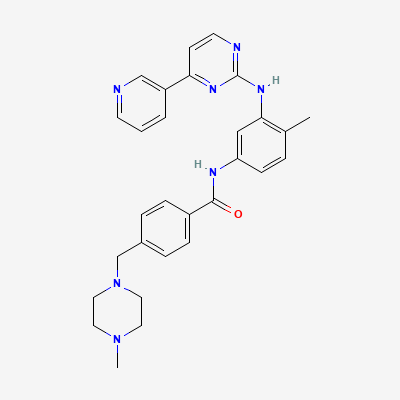
START
Baseline CBC, LFTs, creatinine, electrolytes, cardiac function (ECHO if cardiac history). Verify not pregnant. Counsel on taking with food and large glass of water to reduce GI irritation. BCR-ABL transcript monitoring at baseline.
TYPICAL MAX
800mg/day. Dose-limiting toxicity is typically myelosuppression or fluid retention. Dose interruption/reduction is common during therapy.
STOP IF
ANC <1000, platelets <50,000 (hold until recovery), severe fluid retention, hepatotoxicity (bilirubin >3x ULN or transaminases >5x ULN), SJS/TEN, severe CHF.
WATCH
CBC weekly for first month, then biweekly, then monthly. LFTs monthly. Weigh patient regularly (fluid retention). BCR-ABL transcript levels q3 months to monitor molecular response (major molecular response = goal). Many drug interactions via CYP3A4.
CDSCO approvedSchedule HATC L01EA01
Dose laddermg/d
100start300titrate400titrate600titrate800ceiling
Renal dose adjustmenteGFR mL/min/1.73m²
FULLStandard dosing20REDUCEReduce 25-50%; monitor …90

KDIGO 2024 + manufacturer label

Pharmacokineticsplasma · t hours
1hONSET3hPEAK18h1dDURATION
ONSET
1h · Onset ~1 hour
PEAK
3h · Tmax 2-4 hours
18h · t½ ~18 hours; metabolite ~40h
DURATION
1d · 24 hours (QD)
EXCRETION
Fecal as parent + metabolites (~68%)
route + CYP
INTERACTIONS
12 major
incl. contraindicated
PREGNANCY
Contraindicated in pregnancy—teratogenic in animals. Effective contraception required during and for 15 days after treatment (both sexes).
FDA category + note
Top interactionssee all 12
  • CilostazoleContraindicatedTextbookKDT 7e · p555
  • EbastineSevereTextbookKDT 7e
  • AcalabrutinibSevereDatabaseDDInter
  • AdalimumabSevereDatabaseDDInter
Available in India

68 branded formulations. Look up specific brands in the Drugs workspace.

Mechanism

Competitively inhibits ATP binding to tyrosine kinase domains of BCR-ABL (Philadelphia chromosome fusion protein), platelet-derived growth factor receptor (PDGFR), and stem cell factor receptor (c-KIT). Blocks downstream signaling pathways (RAS/MAPK, PI3K/AKT, STAT5), inhibiting proliferation and inducing apoptosis of malignant cells.

Indications

Chronic myeloid leukemia (CML) — all phases (chronic, accelerated, blast crisis)Philadelphia chromosome-positive acute lymphoblastic leukemia (Ph+ ALL)Gastrointestinal stromal tumor (GIST) — c-KIT positiveDermatofibrosarcoma protuberans (DFSP)Myelodysplastic/myeloproliferative diseases (MDS/MPD) with PDGFR rearrangementsAggressive systemic mastocytosis (ASM)Hypereosinophilic syndrome (HES) / chronic eosinophilic leukemia (CEL)Pediatric Ph+ ALL and CML

Dosing

Adult
CML chronic phase: 400mg PO daily. CML accelerated/blast crisis: 600mg PO daily (may increase to 800mg daily). Ph+ ALL: 600mg PO daily. GIST (adjuvant/metastatic): 400mg PO daily. DFSP: 800mg PO daily. MDS/MPD, ASM, HES/CEL: 400mg PO daily.
Pediatric
CML/Ph+ ALL: 340mg/m²/day (max 600mg). DFSP: 400mg/m² BID (max 800mg/day).
Renal adjustment
CrCl ≥20: no adjustment. CrCl <20 or HD: reduce dose 25-50% and monitor closely.
Hepatic adjustment
Mild-moderate: no adjustment. Severe: reduce dose 25% and monitor.
Geriatric
No specific adjustment; monitor for fluid retention and cardiac toxicity.
Max dose
800mg/day (CML blast crisis, DFSP)

Pharmacokinetics

Onset
Hematologic response in CML: 1-3 months; cytogenetic response: 6-12 months; molecular response: 12-18 months
Peak effect
Tmax 2-4 hours; steady-state in ~7 days
Duration
24 hours (QD dosing)
Half-life
~18 hours (imatinib); ~40 hours (active metabolite N-desmethyl imatinib / CGP74588)
Bioavailability
~98%
Protein binding
~95% (albumin, alpha-1-acid glycoprotein)
Metabolism
Hepatic via CYP3A4 (major) to active N-desmethyl metabolite (CGP74588, equipotent); also CYP1A2, CYP2D6
Excretion
~68% fecal (unchanged 20% + metabolites); ~13% renal

Contraindications

  • Hypersensitivity to imatinib
  • Pregnancy (teratogenic in animals)
  • Breastfeeding

Side effects

Common
Edema / fluid retention (periorbital, peripheral, pleural effusion)Nausea and vomitingMuscle crampsFatigueDiarrheaRashHeadacheMyelosuppression (anemia, neutropenia, thrombocytopenia)
Serious
  • Severe fluid retention / pleural effusion / pericardial effusion / ascites
  • Hepatotoxicity (elevated LFTs, hepatic failure rare)
  • Severe myelosuppression
  • Tumor lysis syndrome
  • Cardiac toxicity (left ventricular dysfunction, CHF—rare)
  • Hemorrhage (GI, CNS—especially with thrombocytopenia)
  • Severe skin reactions (SJS/TEN)
  • Hypothyroidism (when used with levothyroxine in thyroid cancer)

Pregnancy & lactation

Pregnancy

Contraindicated in pregnancy—teratogenic in animals. Effective contraception required during and for 15 days after treatment (both sexes).

Lactation

Excreted in breast milk; discontinue breastfeeding during treatment.

Drug interactions

Cilostazole
Contraindicated
Textbook

Increased plasma levels and toxicity of cilostazole.

Should not be administered along with inhibitors of CYP3A4.

Source: KDT 7e · p555

Ebastine
Severe
Textbook

Increased risk of arrhythmogenic potential.

Exercise caution with coadministration.

Source: KDT 7e

Acalabrutinib
Severe
Database

Drug interaction classified as: metabolism

Source: DDInter

Adalimumab
Severe
Database

Drug interaction classified as: synergy

Source: DDInter

Alfentanil
Severe
Database

Drug interaction classified as: metabolism

Source: DDInter

Aminolevulinic Acid
Severe
Database

Drug interaction classified as: synergy

Source: DDInter

Apalutamide
Severe
Database

Drug interaction classified as: metabolism

Source: DDInter

Avanafil
Severe
Database

Drug interaction classified as: metabolism

Source: DDInter

Avapritinib
Severe
Database

Drug interaction classified as: metabolism

Source: DDInter

Avatrombopag
Severe
Database

Drug interaction classified as: metabolism

Source: DDInter

Baricitinib
Severe
Database

Drug interaction classified as: synergy

Source: DDInter

Benzhydrocodone
Severe
Database

Drug interaction classified as: metabolism

Source: DDInter

Related guidelines

Ask House about Imatinib

Continue into a citation-backed clinical answer with the drug context already attached.

Sources: KD Tripathi 7e, Goodman & Gilman 14e, Harrison 22e, Katzung·Verified: 2026-05-19 · House clinical team·Cockpit curated: 2026-05-19