Drug lookup
Drug reference

Insulin human

Insulin · Antidiabetic

Also known as Insulin soluble human, Human regular insulin
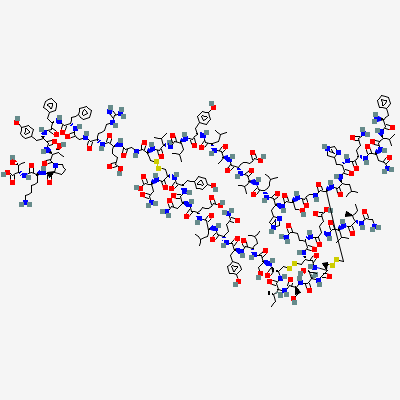
Insulin human 2D molecular structure
START
0.2-0.5 units/kg/day (split basal + prandial) for T1DM
TYPICAL MAX
no fixed ceiling — titrate to glycemic target
STOP IF
Hypoglycemia unawareness without backup · use lower starting dose
WATCH
Hypoglycemia · K⁺ · injection site lipohypertrophy
CDSCO approvedSchedule H
Dose ladderU/d
10start20early titration40titrate80max
Renal dose adjustmenteGFR mL/min/1.73m²
FULLFull dose, titrate to FBG60CAUTIONReduce 25% — slower insulin clearance30REDUCEReduce 50%; monitor for prolonged hyp…90

KDIGO 2024 + manufacturer label

Pharmacokineticsplasma · t hours
30minONSET2.5hPEAK1h6hDURATION
ONSET
30min · regular SC: 30-60 min
PEAK
2.5h · regular SC peak 2-4h
1h · plasma t½ (SC depot extends action)
DURATION
6h · regular SC duration 5-8h
EXCRETION
Renal + hepatic peptide metabolism
route + CYP
INTERACTIONS
9 major
SEVERE in our sources
PREGNANCY
Category B — first-line glucose-lowering in pregnancy
FDA category + note
Top interactionssee all 9
  • CiprofloxacinSevereDatabaseDDInter
  • DelafloxacinSevereDatabaseDDInter
  • GatifloxacinSevereDatabaseDDInter
  • GemifloxacinSevereDatabaseDDInter

Mechanism

Insulin is a hormone that primarily regulates glucose metabolism. Human insulin, a short-acting preparation, binds to insulin receptors on target cells (e.g., muscle, adipose tissue) to promote glucose uptake and utilization. It also inhibits hepatic glucose production and lipolysis, thereby lowering blood glucose levels.

Indications

Type 1 diabetes mellitus (essential lifelong therapy)Type 2 diabetes mellitus when oral agents fail or are contraindicatedDiabetic ketoacidosis (DKA)Hyperosmolar hyperglycaemic state (HHS)Hyperkalaemia (with concomitant dextrose to drive K⁺ intracellularly)Gestational diabetes (first-line glucose-lowering in pregnancy)Perioperative glycaemic controlTotal parenteral nutrition glycaemic management

Dosing

Adult
T1DM: total 0.5-1.0 U/kg/day, ~40-50% basal (NPH) + 50-60% prandial (regular insulin pre-meals). T2DM after oral failure: basal insulin 10 U/day or 0.1-0.2 U/kg/day, titrate to fasting glucose. DKA: IV regular insulin 0.1 U/kg/h after initial assessment. Hyperkalaemia: 10 U regular insulin IV + 25 g dextrose.
Pediatric
Continuous subcutaneous insulin infusion is recommended as an option for children 12 years and over with type 1 diabetes. Also recommended for children under 12 years with type 1 diabetes if multiple-injection regimens are impractical/inappropriate. Children on insulin pumps should undergo a trial of multiple-injection therapy between ages 12 and 18 years.
Renal adjustment
Requirements typically decrease in renal impairment (reduced renal insulin clearance) — reduce dose and monitor closely for hypoglycaemia. [Precise eGFR-banded % reductions: NEEDS MANUAL SOURCING]
Hepatic adjustment
Requirements may decrease in hepatic impairment (reduced insulin clearance and gluconeogenesis → hypoglycaemia risk); individualize and monitor
Max dose
No fixed maximum; individualized to glucose pattern. Typical T1DM total daily dose 0.5-1.0 U/kg/day; severe insulin resistance may require >2 U/kg/day

Pharmacokinetics

Onset
Slightly more rapid subcutaneous absorption with an earlier and more defined peak compared to porcine/bovine insulin.
Peak effect
Earlier and more defined peak compared to porcine/bovine insulin.
Duration
Short-acting; slightly shorter duration compared to porcine/bovine insulin.
Half-life
SC duration: Regular ~5-8 h; NPH ~14-24 h (absorption-rate-limited; plasma t½ of absorbed insulin ~minutes)
Bioavailability
IV 100% (by definition); SC absorption variable and incomplete (site, dose, blood-flow dependent)
Protein binding
Adsorbed to some extent by plastic infusion set.
Metabolism
Degraded by insulin-degrading enzyme — hepatic (~50%), renal (~30-40%), and muscle; no CYP involvement
Excretion
Eliminated by enzymatic degradation (liver/kidney/tissue); <2% excreted unchanged in urine

Contraindications

  • Hypersensitivity to insulin human or any excipient
  • Active hypoglycaemia
  • Hypoglycaemia unawareness (relative — individualize and monitor closely)

Side effects

Common
Hypoglycaemia
Serious
  • Relative hypoglycaemic unawareness (can develop after prolonged treatment)

Pregnancy & lactation

Pregnancy

Category B — first-line glucose-lowering in pregnancy

Lactation

Exogenous human insulin does not pass into breast milk in clinically relevant amounts (degraded in infant GI); compatible with breastfeeding; maternal insulin requirements often fall during lactation

Drug interactions

Ciprofloxacin
Severe
Database

Drug interaction classified as: antagonism

Source: DDInter

Delafloxacin
Severe
Database

Clinical effect not specified

Source: DDInter

Gatifloxacin
Severe
Database

Clinical effect not specified

Source: DDInter

Gemifloxacin
Severe
Database

Clinical effect not specified

Source: DDInter

Levofloxacin
Severe
Database

Clinical effect not specified

Source: DDInter

Moxifloxacin
Severe
Database

Clinical effect not specified

Source: DDInter

Norfloxacin
Severe
Database

Clinical effect not specified

Source: DDInter

Ofloxacin
Severe
Database

Clinical effect not specified

Source: DDInter

Trovafloxacin
Severe
Database

Clinical effect not specified

Source: DDInter

3 additional low-confidence interactions hidden — those rows lack a documented mechanism or management plan in our sources.

Related guidelines

Other Insulin drugs

Ask House about Insulin human

Continue into a citation-backed clinical answer with the drug context already attached.

Sources: BNF·Verified: 2026-05-17 · House clinical team·Cockpit curated: 2026-05-16