Dextropropoxyphene
Severe
Database
Clinical effect not specified
Source: DDInter
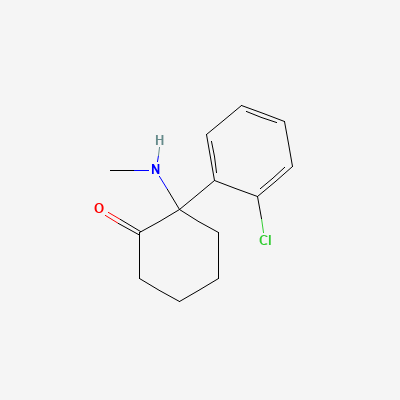
NMDA-receptor antagonist dissociative anaesthetic · Analgesic
Also known as Ketamine Hydrochloride, Special K
KDIGO 2024 + manufacturer label
27 branded formulations. Look up specific brands in the Drugs workspace.
Non-competitive NMDA-receptor antagonism (also opioid, monoaminergic, cholinergic effects) producing dissociative anaesthesia, profound analgesia and amnesia with relative preservation of airway reflexes/respiration and sympathomimetic cardiovascular stimulation; sub-anaesthetic doses give rapid antidepressant effects.
Use only if clearly needed — limited data; neonatal depression if used at delivery; uterine tone effects
Single peri-procedural dose — brief interruption sufficient; avoid repeated dosing (limited data)
Clinical effect not specified
Source: DDInter
Clinical effect not specified
Source: DDInter
Additive sedation/respiratory depression; prolonged recovery
Reduce doses; monitor airway/respiration
Source: Kimi deep-research + Cla
Clinical effect not specified
Source: DDInter
Clinical effect not specified
Source: DDInter
Clinical effect not specified
Source: DDInter
Clinical effect not specified
Source: DDInter
Additive hypertension/tachyarrhythmia
Monitor BP/ECG; cautious titration
Source: Kimi deep-research + Cla
Clinical effect not specified
Source: DDInter
Prolongs ketamine effect/recovery (also used to reduce emergence reactions)
Dose-adjust; intended for emergence-phenomenon reduction
Source: Kimi deep-research + Cla
QT prolongation
Monitor ECG.
Source: DDInter
1 additional unreviewed or low-confidence interaction hidden because their provenance or source detail is insufficient.
Continue into a citation-backed clinical answer with the drug context already attached.
Textbook-sourced·Sources: Goodman & Gilman 14e, Katzung, BNF, Nelson·Updated: 2026-05-19·Cockpit curated: 2026-05-19