Drug lookup
Drug reference

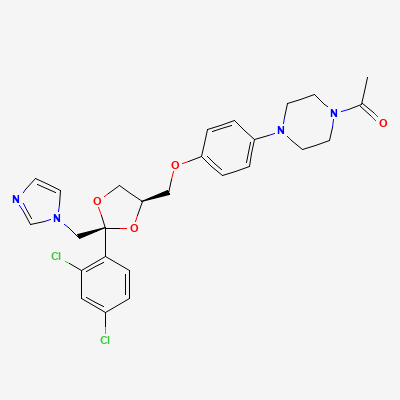
levoketoconazole

Cortisol synthesis inhibitor (2S,4R enantiomer of ketoconazole) · Steroidogenesis inhibitor
START
150 mg PO twice daily; titrate by cortisol response
TYPICAL MAX
1200 mg/day
STOP IF
ALT >3× ULN, QTc >500 ms, or adrenal insufficiency
WATCH
LFTs (intensive baseline + weekly initial), ECG/QT, K, urinary free cortisol
CDSCO approvedATC H02CA
Dose laddermg/d
300start/day600usual1.2kmax/day
Renal dose adjustmenteGFR mL/min/1.73m²
FULLNo specific adjustment (limited data)90

KDIGO 2024 + manufacturer label

Pharmacokineticsplasma · t hours
1hONSET2hPEAK3.5h12hDURATION
ONSET
1h · absorption
PEAK
2h · Tmax
3.5h ·
DURATION
12h · twice-daily
EXCRETION
Mainly faecal; minor renal
route + CYP
INTERACTIONS
3 major
incl. contraindicated
PREGNANCY
Contraindicated — embryotoxic.
FDA category + note
Top interactionssee all 5
  • Sensitive Cyp3a4 Substrates With ToxicityContraindicatedDatabaseKimi deep-research + Cla
  • Qt Prolonging DrugsSevereDatabaseKimi deep-research + Cla
  • Strong Cyp3a4 InducersSevereDatabaseKimi deep-research + Cla

Mechanism

Inhibits adrenal steroidogenic enzymes (CYP17A1, 11β-hydroxylase, side-chain cleavage), reducing cortisol production; designed as the more steroidogenically active and less hepatotoxic enantiomer of racemic ketoconazole.

Indications

Endogenous Cushing syndrome (adults in whom surgery is not an option or has not been curative)

Dosing

Adult
150 mg PO twice daily; titrate by ~150 mg/day every 2–3 weeks (max 1200 mg/day; usually maintenance 150–600 mg twice daily).
Pediatric
Not established.
Renal adjustment
No specific adjustment; limited data severe.
Hepatic adjustment
Avoid in cirrhosis / significant baseline liver disease; monitor LFTs intensively.
Geriatric
No specific adjustment; monitor closely.
Max dose
1200 mg/day

Pharmacokinetics

Onset
Cortisol decline within days
Peak effect
~2 h (Tmax)
Duration
~12 h (twice-daily)
Half-life
~3.5 h
Bioavailability
Improved with food and low gastric pH
Protein binding
>99%
Metabolism
Hepatic CYP3A4 (and inhibits CYP3A4)
Excretion
Mainly faecal; minor renal

Contraindications

  • Cirrhosis / acute liver disease / repeated unexplained transaminase elevation
  • Co-administration with strong CYP3A4 inhibitors or sensitive CYP3A4 substrates with serious toxicity
  • Prolonged QT interval / long-QT syndrome
  • Hypersensitivity
  • Pregnancy

Side effects

Common
Nausea/vomitingHeadacheAdrenal insufficiencyFatigueHypokalaemiaHypertension
Serious
  • Hepatotoxicity (boxed warning — hepatic failure)
  • QT prolongation/torsades
  • Adrenal insufficiency / hypocortisolism
  • Severe hypokalaemia

Pregnancy & lactation

Pregnancy

Contraindicated — embryotoxic.

Lactation

Contraindicated during therapy.

Drug interactions

Sensitive Cyp3a4 Substrates With Toxicity
Contraindicated
Database

Potent CYP3A4 inhibition

Contraindicated combinations per label

Source: Kimi deep-research + Cla

Qt Prolonging Drugs
Severe
Database

Additive QT prolongation

Avoid; ECG/electrolyte monitoring

Source: Kimi deep-research + Cla

Strong Cyp3a4 Inducers
Severe
Database

Reduced exposure

Avoid combination

Source: Kimi deep-research + Cla

Acid Suppressants
Moderate
Database

Reduced solubility/absorption

Take with acidic drink; avoid PPI if possible

Source: Kimi deep-research + Cla

Hepatotoxic Drugs
Moderate
Database

Additive hepatotoxicity

Avoid combination; monitor LFTs

Source: Kimi deep-research + Cla

Related guidelines

Ask House about levoketoconazole

Continue into a citation-backed clinical answer with the drug context already attached.

Sources: Goodman & Gilman 14e·Verified: 2026-05-20 · House clinical team·Cockpit curated: 2026-05-20