Drug lookup
Drug reference

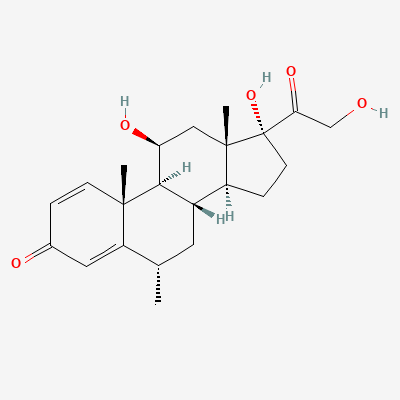
Methylprednisolone

Systemic glucocorticoid (intermediate-acting) · Corticosteroid

Also known as Methylprednisolone acetate, Methylprednisolone succinate, Medrol, Solu-Medrol
START
Oral 4–48 mg/day or IV per severity; pulse 0.5–1 g if severe
TYPICAL MAX
~1 g/day IV pulse (short course)
STOP IF
Taper — do not stop abruptly after prolonged use (adrenal crisis)
WATCH
Glucose, BP, infection signs, bone health; taper plan
CDSCO approvedJan AushadhiNPPA price-controlledATC H02AB04
Dose laddermg/d
4low oral48high oral250IV dose1kpulse
Renal dose adjustmenteGFR mL/min/1.73m²
FULLNo dose adjustment at any eGFR90

KDIGO 2024 + manufacturer label

Pharmacokineticsplasma · t hours
1hONSET2hPEAK2.5h1.3dDURATION
ONSET
1h · absorption
PEAK
2h · Tmax
2.5h · plasma t½
DURATION
1.3d · biological
EXCRETION
Hepatic metabolism; renal metabolites
route + CYP
INTERACTIONS
12 major
incl. contraindicated
PREGNANCY
Use lowest effective dose if needed; benefits often outweigh risk.
FDA category + note
Top interactionssee all 12
  • CelecoxibContraindicatedTextbook-citedKDT 7e · p950
  • IndomethacinContraindicatedTextbook-citedKDT 7e · p950
  • KetorolacContraindicatedTextbook-citedKDT 7e · p950
  • Mefenamic AcidContraindicatedTextbook-citedKDT 7e · p950

Mechanism

Glucocorticoid-receptor agonist that modulates gene transcription to produce broad anti-inflammatory and immunosuppressive effects (reduced cytokines, leukocyte trafficking, prostaglandin synthesis).

Indications

Acute inflammatory/allergic conditionsAutoimmune disease flaresAsthma/COPD exacerbationsTransplant rejection (pulse)CNS oedema / spinal cord injury (selected)Anti-emetic adjunct

Dosing

Adult
Oral 4–48 mg/day per condition. IV methylprednisolone sodium succinate 10–250 mg; pulse 0.5–1 g/day for 1–3 days (severe). Taper after prolonged courses.
Pediatric
0.5–1.7 mg/kg/day in divided doses (condition-specific).
Renal adjustment
No specific adjustment.
Hepatic adjustment
No fixed adjustment; effect may be altered in severe disease.
Geriatric
Lowest effective dose; osteoporosis/skin/infection risk.
Max dose
Up to 1 g/day IV pulse (short course); oral per indication

Pharmacokinetics

Onset
Anti-inflammatory effect over hours
Peak effect
~1–2 h (oral Tmax); IV rapid
Duration
Biological 18–36 h (intermediate-acting)
Half-life
Plasma ~2–3 h (biological much longer)
Bioavailability
High (oral)
Protein binding
Moderate (transcortin/albumin)
Metabolism
Hepatic
Excretion
Renal (metabolites)

Contraindications

  • Systemic fungal infection
  • Live vaccine administration during immunosuppressive doses
  • Hypersensitivity
  • Caution: uncontrolled infection, diabetes, peptic ulcer, psychosis

Side effects

Common
HyperglycaemiaIncreased appetite/weight gainMood change/insomniaFluid retentionDyspepsia
Serious
  • Adrenal suppression (abrupt withdrawal crisis)
  • Immunosuppression/serious infection
  • Osteoporosis/avascular necrosis
  • GI bleeding/perforation
  • Hyperglycaemic crisis
  • Psychosis

Pregnancy & lactation

Pregnancy

Use lowest effective dose if needed; benefits often outweigh risk.

Lactation

Compatible at usual doses (delay feeding ~4 h after high IV dose).

Drug interactions

Celecoxib
Contraindicated
Textbook-cited

Significantly increased GI bleeding risk.

Concurrent use is contraindicated; if unavoidable, add PPI

Source: KDT 7e · p950

Indomethacin
Contraindicated
Textbook-cited

Significantly increased GI bleeding risk.

Concurrent use is contraindicated; if unavoidable, add PPI

Source: KDT 7e · p950

Ketorolac
Contraindicated
Textbook-cited

Significantly increased GI bleeding risk.

Concurrent use is contraindicated; if unavoidable, add PPI

Source: KDT 7e · p950

Mefenamic Acid
Contraindicated
Textbook-cited

Significantly increased GI bleeding risk

Concurrent use is contraindicated; if unavoidable, add PPI

Source: KDT 7e · p950

Naproxen
Contraindicated
Textbook-cited

Significantly increased GI bleeding risk.

Concurrent use is contraindicated; if unavoidable, add PPI

Source: KDT 7e · p950

Piroxicam
Contraindicated
Textbook-cited

Significantly increased GI bleeding risk.

Concurrent use is contraindicated; if unavoidable, add PPI

Source: KDT 7e · p950

Live Attenuated Vaccines
Contraindicated
Database

Reduced immune response to the vaccine, leading to vaccine failure, and potential for disseminated infection with the vaccine strain.

Avoid administration of live attenuated vaccines during and for a period after high-dose or prolonged corticosteroid therapy. Consult immunization guidelines.

Aspirin
Severe
Textbook-cited

Significantly increased GI bleeding risk.

Concurrent use is contraindicated; if unavoidable, add PPI

Source: KDT 7e · p950

Diclofenac
Severe
Textbook-cited

Significantly increased GI bleeding risk.

Concurrent use is contraindicated; if unavoidable, add PPI

Source: KDT 7e · p950

Ibuprofen
Severe
Textbook-cited

Significantly increased GI bleeding risk.

Concurrent use is contraindicated; if unavoidable, add PPI

Source: KDT 7e · p950

Azoles
Severe
Textbook

Increased plasma levels of methylprednisolone.

Source: Harrison 22e · p1742

Adalimumab
Severe
Database

Drug interaction classified as: synergy.

Source: DDInter

Related guidelines

Ask House about Methylprednisolone

Continue into a citation-backed clinical answer with the drug context already attached.

Sources: KD Tripathi 7e, Goodman & Gilman 14e, Harrison 22e, Katzung·Verified: 2026-05-20 · House clinical team·Cockpit curated: 2026-05-20