Drug lookup
Drug reference

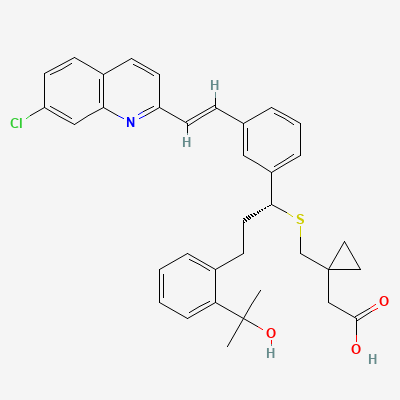
Montelukast

Leukotriene Receptor Antagonist · Antiasthmatic

Also known as Montelukast sodium
START
10 mg PO once daily in the evening
TYPICAL MAX
10 mg/day (adult)
STOP IF
Hypersensitivity · neuropsychiatric event on prior dose
WATCH
FDA black-box: mood/sleep changes · suicidal ideation
CDSCO approvedH (Prescription Drug) If it is a single-ingredient drug, it comes under Schedule H, given its potential side effects and the need for medical supervision. (Assuming it is not an OTC product.) (Revisiting the Indian context - most prescription drugs fall under Schedule H). The schema only allows a string for the schedule. So, 'H' is appropriate. (Double-checking Indian Schedule. Schedule H is for prescription-only drugs, which Montelukast is.) (Revisiting:ATC R03DC03
Dose laddermg/d
4start5start10adult standard
Renal dose adjustmenteGFR mL/min/1.73m²
FULLNo renal adjustment (hepatic clearance)90

KDIGO 2024 + manufacturer label

Pharmacokineticsplasma · t hours
1hONSET3hPEAK4h1dDURATION
ONSET
1h · absorption
PEAK
3h · Cmax
4h · plasma t½
DURATION
1d · once-daily dosing window
EXCRETION
CYP2C8/3A4 hepatic · biliary excretion
route + CYP
INTERACTIONS
none in our sources
PREGNANCY
Category B — use if clearly needed
FDA category + note
Available in India

165 branded formulations and 4,637 fixed-dose combinations. Look up specific brands in the Drugs workspace.

Mechanism

Montelukast selectively binds to and inhibits the cysteinyl leukotriene 1 (CysLT1) receptor. This prevents the actions of leukotrienes (LTC4, LTD4, LTE4), which are potent inflammatory mediators released from mast cells and eosinophils. By blocking these receptors, Montelukast inhibits bronchoconstriction, mucus secretion, vascular permeability, and eosinophil recruitment, thus improving asthma control and allergic rhinitis symptoms.

Indications

Prophylaxis and chronic treatment of asthma in adults and pediatric patients 6 months of age and older.Prevention of exercise-induced bronchoconstriction (EIB) in patients 6 years of age and older.Relief of symptoms of seasonal allergic rhinitis in adults and pediatric patients 2 years of age and older.Relief of symptoms of perennial allergic rhinitis in adults and pediatric patients 6 months of age and older.Bronchial asthmaProphylactic therapy of mild-to-moderate asthma (as alternatives to inhaled glucocorticoids)Aspirin-induced asthmaExercise-induced asthma

Dosing

Adult
For asthma or seasonal/perennial allergic rhinitis: 10 mg orally once daily in the evening. For prevention of exercise-induced bronchoconstriction: 10 mg orally at least 2 hours before exercise; do not take an additional dose within 24 hours.
Pediatric
6 months to 5 years: 4 mg orally once daily in the evening (chewable tablet or oral granules). 6 to 14 years: 5 mg orally once daily in the evening (chewable tablet). For prevention of exercise-induced bronchoconstriction (6-14 years): 5 mg orally at least 2 hours before exercise.
Renal adjustment
No dosage adjustment is necessary for patients with renal impairment or those on dialysis, as montelukast is not significantly excreted by the kidneys.

Pharmacokinetics

Onset
Within 1 day for asthma symptom improvement. For EIB, within 2 hours of administration.
Peak effect
2 to 4 hours after oral administration.
Duration
Approximately 24 hours
Half-life
2.7 to 5.5 hours
Bioavailability
~64%
Protein binding
>99%
Metabolism
Extensively metabolized in the liver, primarily by CYP3A4, CYP2C8, and CYP2C9 enzymes.
Excretion
Predominantly via bile in feces (approx. 86%), minimal renal excretion (<0.2%)

Contraindications

  • Known hypersensitivity to montelukast or any component of the formulation.
  • Should not be used for the reversal of bronchospasm in acute asthma attacks, including status asthmaticus.
  • Not to be used for terminating asthma episodes
  • No value in COPD

Side effects

Common
HeadacheAbdominal painUpper respiratory infectionCoughDiarrheaNauseaVomitingPyrexiaRashDizzinessRashes
Serious
  • Neuropsychiatric events (e.g., agitation, aggression, anxiety, depression, suicidal thoughts/behavior, hallucinations, insomnia, tremors)
  • Churg-Strauss syndrome (very rare, usually associated with reduction of systemic corticosteroids)
  • Hepatitis (rare)
  • Angioedema
  • Severe skin reactions (e.g., erythema multiforme)
  • Eosinophilia (infrequent)
  • Neuropathy (infrequent)
  • Churg-Strauss syndrome (few cases reported)
  • suicidal ideation

Pregnancy & lactation

Pregnancy

Category B — use if clearly needed

Drug interactions

Phenobarbital
Moderate
Database

Reduced montelukast levels, loss of asthma control

Monitor asthma control. May need alternative controller.

Source: DDInter

11 additional low-confidence interactions hidden — those rows lack a documented mechanism or management plan in our sources.

Related guidelines

Other Leukotriene Receptor Antagonist drugs

Ask House about Montelukast

Continue into a citation-backed clinical answer with the drug context already attached.

Sources: KD Tripathi 7e, Goodman & Gilman 14e, Harrison 22e, Katzung·Verified: 2026-05-17 · House clinical team·Cockpit curated: 2026-05-16