Drug lookup
Drug reference

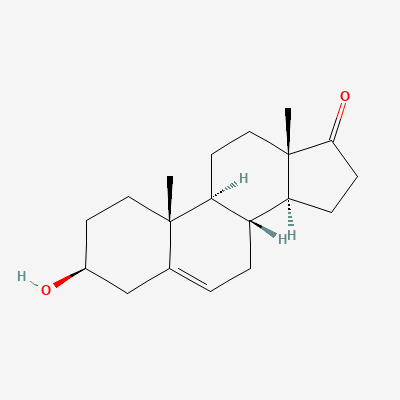
prasterone

Endogenous adrenal steroid (DHEA) — vaginal preparation · Gynecological Agent
START
6.5 mg (1 ovule) intravaginally once daily at bedtime
TYPICAL MAX
6.5 mg intravaginally once daily
STOP IF
Unexplained vaginal bleeding, new breast lesion, or thromboembolism
WATCH
Symptomatic improvement over 6–12 weeks; gynaecologic surveillance
CDSCO approvedATC G03XX01
Renal dose adjustmenteGFR mL/min/1.73m²
FULLNo dose adjustment (minimal systemic)90

KDIGO 2024 + manufacturer label

Pharmacokineticsplasma · t hours
2hONSET8hPEAK12h1dDURATION
ONSET
2h · absorption
PEAK
8h · local steroid
12h · DHEA t½
DURATION
1d · once-daily
EXCRETION
Renal / biliary — steroid conjugates
route + CYP
INTERACTIONS
none in our sources
PREGNANCY
Not applicable (postmenopausal indication).
FDA category + note

Mechanism

Dehydroepiandrosterone (DHEA) is converted intracellularly to androgens and oestrogens via vaginal cell steroidogenesis (intracrinology), restoring local hormonal environment for vulvovaginal atrophy of menopause — minimal systemic hormonal exposure.

Indications

Moderate-to-severe vulvovaginal atrophy due to menopause / dyspareunia

Dosing

Adult
6.5 mg (one ovule) intravaginally once daily at bedtime.
Pediatric
Not applicable.
Renal adjustment
No adjustment (minimal systemic).
Hepatic adjustment
Avoid in severe hepatic impairment.
Geriatric
Primary population; standard dose.
Max dose
6.5 mg intravaginally once daily

Pharmacokinetics

Onset
Symptomatic improvement over 6–12 weeks
Peak effect
Local — sustained while in regular use
Duration
Daily dosing for chronic maintenance
Half-life
DHEA ~12 h (systemic, minimal)
Bioavailability
Low systemic; locally active
Protein binding
Bound to sulfatase / steroidogenic enzymes locally
Metabolism
Local intracrine steroidogenesis (androgens / oestrogens in vaginal cells)
Excretion
Renal / biliary (steroid conjugates)

Contraindications

  • Undiagnosed abnormal genital bleeding
  • Known or suspected breast cancer / oestrogen-dependent malignancy
  • Active thrombotic disease
  • Severe hepatic impairment
  • Hypersensitivity

Side effects

Common
Vaginal dischargeAbnormal pap smear (cells changes)Local pruritus / discomfort
Serious
  • Endometrial / breast effects (theoretical — minimal at recommended doses)
  • Thromboembolism (very rare given low systemic exposure)

Pregnancy & lactation

Pregnancy

Not applicable (postmenopausal indication).

Lactation

Not applicable.

Drug interactions

Aromatase Inhibitors
Moderate
Database

Possible interference with oestrogen suppression

Avoid in patients on AIs

Source: Kimi deep-research + Cla

Oral Oestrogens
Moderate
Database

Possible duplicate hormonal effects

Avoid concomitant systemic HRT for the same indication

Source: Kimi deep-research + Cla

Anticoagulants
Mild
Database

Minor INR changes possible

Monitor INR if combined

Source: Kimi deep-research + Cla

Cyp3a4 Substrates
Mild
Database

Local intracrinology; minimal systemic CYP effect

No action

Source: Kimi deep-research + Cla

Insulin
Mild
Database

DHEA may modestly affect insulin sensitivity

Routine monitoring

Source: Kimi deep-research + Cla

Related guidelines

Ask House about prasterone

Continue into a citation-backed clinical answer with the drug context already attached.

Sources: Goodman & Gilman 14e·Verified: 2026-05-20 · House clinical team·Cockpit curated: 2026-05-20