Drug lookup
Drug reference

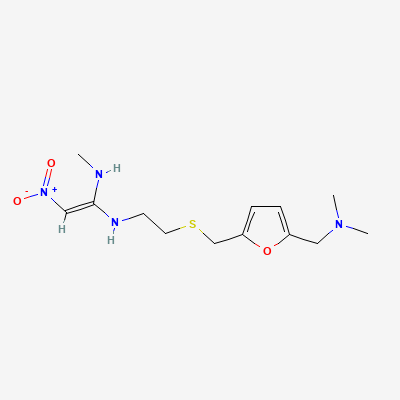
Ranitidine

h2 Receptor Antagonist · Antiulcer

Also known as Ranitidine Hydrochloride

START
150 mg PO BID or 300 mg HS
TYPICAL MAX
600 mg/day (4 weeks)
STOP IF
Withdrawn — NDMA contamination · use famotidine instead
WATCH
If still prescribed: confusion in elderly · drug interactions
CDSCO bannedHATC A02BA02
Dose laddermg/d
150BID300HS / DU healing600max
Renal dose adjustmenteGFR mL/min/1.73m²
FULLFull dose50REDUCEReduce 50% (150 mg HS)90

KDIGO 2024 + manufacturer label

Pharmacokineticsplasma · t hours
1hONSET2hPEAK2.5h8hDURATION
ONSET
1h · acid suppression
PEAK
2h · Cmax
2.5h · plasma t½
DURATION
8h · single-dose effect
EXCRETION
70% renal unchanged · minimal CYP
route + CYP
INTERACTIONS
11 major
SEVERE in our sources
PREGNANCY
Category B — but largely withdrawn globally since 2020
FDA category + note
Top interactionssee all 12
  • AtazanavirSevereDatabaseDDInter
  • DasatinibSevereDatabaseDDInter
  • ItraconazoleSevereDatabaseDDInter
  • KetoconazoleSevereDatabaseDDInter
Available in India

277 branded formulations and 31 fixed-dose combinations. Look up specific brands in the Drugs workspace.

Mechanism

Ranitidine selectively and reversibly blocks histamine H2 receptors located on the gastric parietal cells. This antagonism inhibits both basal and stimulated gastric acid secretion, primarily by reducing the volume and hydrogen ion concentration of gastric acid. It reduces acid secretion induced by histamine, gastrin, and acetylcholine.

Indications

Duodenal ulcer (active)Gastric ulcer (active)Gastroesophageal Reflux Disease (GERD)Erosive esophagitisZollinger-Ellison syndromeStress ulcer prophylaxis (off-label)Indigestion and heartburn reliefGastric ulcer (to promote healing)Duodenal ulcer (to promote healing)Gastroesophageal reflux disease (uncomplicated)Prevention of stress ulcersDuodenal ulcerGastric ulcerStress ulcers and gastritisGastroesophageal reflux disease (GERD) (mild or stage-1 cases)Prophylaxis of aspiration pneumoniaUrticaria (adjuvant to H1 antagonist)

Dosing

Adult
For duodenal/gastric ulcers: 150 mg PO BID or 300 mg PO HS for 4-8 weeks. For GERD: 150 mg PO BID. For Zollinger-Ellison: Initial 150 mg PO TID; can increase to 6 g/day. IV: 50 mg every 6-8 hours (slow IV push or infusion).
Pediatric
For GERD/ulcers (oral): 2-4 mg/kg/dose BID; max 300 mg/day. For infants 1 month to 16 years (IV): 1-2 mg/kg/dose every 6-8 hours; max 50 mg/dose.
Renal adjustment
CrCl <50 mL/min: Reduce dose by 50% (e.g., 150 mg PO daily or 50 mg IV daily). Use with caution in severe impairment. For hemodialysis patients, administer dose at the end of dialysis.
Hepatic adjustment
No specific dose adjustment recommended for mild to moderate hepatic impairment. Use with caution in severe hepatic dysfunction.
Geriatric
No specific dose adjustment needed based on age alone, but monitor renal function carefully due to age-related decline. Increased risk of CNS side effects (e.g., confusion).
Max dose
300 mg/day for most indications; up to 6 g/day for Zollinger-Ellison syndrome under specialist supervision.

Pharmacokinetics

Onset
Oral: 30-60 minutes; IV: rapid
Peak effect
Oral: 1-3 hours; IV: within 15 minutes
Duration
6-12 hours
Half-life
2-3 hours (increases with renal impairment)
Bioavailability
~50%
Protein binding
Approximately 15%
Metabolism
Hepatic (minor, non-CYP-mediated), forming N-oxide, S-oxide, and desmethyl metabolites. Minimal first-pass metabolism.
Excretion
Primarily renal (unchanged drug, ~70% after IV, ~30% after oral). Minor fecal excretion.

Contraindications

  • Hypersensitivity to ranitidine or other H2-receptor antagonists
  • Acute porphyria (rare, historical consideration)
  • History of acute intermittent porphyria
  • Known allergy to other H2 blockers
  • Preparations withdrawn from use due to contamination issues
  • Rapid i.v. injection can cause hypotension

Side effects

Common
HeadacheNauseaDiarrheaConstipationDizzinessFatigueAbdominal discomfortDrowsinessMuscular painDiarrhoea/constipation
Serious
  • Bradycardia
  • CNS effects (e.g., confusion, hallucinations, depression, especially in elderly or renally impaired patients)
  • Hepatotoxicity (elevated LFTs, hepatitis, rare jaundice)
  • Blood dyscrasias (e.g., leukopenia, thrombocytopenia, agranulosis, aplastic anemia, rare)
  • Anaphylaxis or hypersensitivity reactions
  • Pancreatitis (rare)
  • Arrhythmias (IV administration)
  • CNS effects (confusion, delirium, hallucinations, slurred speech, headaches), primarily with IV administration or in elderly
  • Various blood disorders (e.g., thrombocytopenia)
  • Vitamin B12 deficiency

Pregnancy & lactation

Pregnancy

Category B — but largely withdrawn globally since 2020

Lactation

Ranitidine is excreted into breast milk. Although considered compatible with breastfeeding by some sources, caution is advised. Consult a physician.

Drug interactions

Atazanavir
Severe
Database

Decreased atazanavir plasma concentrations, leading to reduced antiviral efficacy and potential for viral resistance

Avoid co-administration. If an acid reducer is essential, consider alternative agents or administer ranitidine at least 2 hours after atazanavir, using the lowest effective dose.

Source: DDInter

Dasatinib
Severe
Database

Decreased dasatinib plasma concentrations, leading to reduced anti-cancer efficacy.

Avoid co-administration. If an acid reducer is necessary, consider alternative agents or separate administration by at least 2 hours.

Source: DDInter

Itraconazole
Severe
Database

Decreased antifungal efficacy, potential for treatment failure.

Avoid co-administration. If necessary, administer ranitidine at least 2 hours after itraconazole. Monitor for signs of treatment failure.

Source: DDInter

Ketoconazole
Severe
Database

Decreased antifungal efficacy, potential for treatment failure.

Avoid co-administration. If necessary, administer ranitidine at least 2 hours after ketoconazole. Monitor for signs of treatment failure.

Source: DDInter

Lemborexant
Severe
Database

Clinical effect not specified

Source: DDInter

Loperamide
Severe
Database

.

Source: DDInter

Neratinib
Severe
Database

Clinical effect not specified

Source: DDInter

Pazopanib
Severe
Database

Clinical effect not specified

Source: DDInter

Rilpivirine
Severe
Database

Clinical effect not specified

Source: DDInter

Selpercatinib
Severe
Database

Clinical effect not specified

Source: DDInter

Siponimod
Severe
Database

Clinical effect not specified

Source: DDInter

Cefpodoxime Proxetil
Moderate
Database

Decreased plasma concentrations of cefpodoxime, potentially leading to reduced antibacterial efficacy.

Avoid co-administration if possible. If necessary, administer cefpodoxime proxetil at least 2-4 hours before ranitidine. Consider alternative antibiotics if prolonged acid suppression is required.

Related guidelines

Other h2 Receptor Antagonist drugs

Ask House about Ranitidine

Continue into a citation-backed clinical answer with the drug context already attached.

Sources: KD Tripathi 7e, Goodman & Gilman 14e, Katzung, BNF·Verified: 2026-05-17 · House clinical team·Cockpit curated: 2026-05-16