Drug lookup
Drug reference

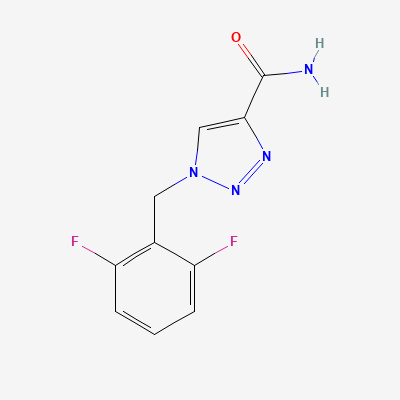
Rufinamide

Antiseizure agent (triazole derivative) · Antiepileptic
START
400–800 mg/day in 2 divided doses with food
TYPICAL MAX
3200 mg/day
STOP IF
Severe skin reaction (DRESS/SJS), suicidality, or status epilepticus
WATCH
Skin, ECG (short QT) if at-risk, mood; do not stop abruptly
CDSCO approvedSchedule HATC N03AF03
Dose laddermg/d
800start/day1.6kusual3.2kmax/day
Renal dose adjustmenteGFR mL/min/1.73m²
FULLNo dose adjustment at any eGFR90

KDIGO 2024 + manufacturer label

Pharmacokineticsplasma · t hours
2hONSET5hPEAK8h12hDURATION
ONSET
2h · absorption
PEAK
5h · Tmax fed
8h ·
DURATION
12h · twice-daily
EXCRETION
Renal — metabolites
route + CYP
INTERACTIONS
5 major
SEVERE in our sources
PREGNANCY
Use only if benefit outweighs risk (antiseizure-drug fetal risk class).
FDA category + note
Top interactionssee all 5
  • BuprenorphineSevereDatabaseDDInter
  • DextropropoxypheneSevereDatabaseDDInter
  • LevacetylmethadolSevereDatabaseDDInter
  • LumateperoneSevereDatabaseDDInter

Mechanism

Modulates voltage-gated sodium channels, prolonging the inactive state and reducing sustained, repetitive neuronal firing — effective against multifocal drop attacks of Lennox–Gastaut syndrome.

Indications

Adjunctive treatment of seizures associated with Lennox–Gastaut syndrome (≥1 y)

Dosing

Adult
400–800 mg/day in 2 divided doses, titrate by 400–800 mg/day every 2 days as tolerated; target 3200 mg/day (or 45 mg/kg/day in lower-weight).
Pediatric
≥1 y: 10 mg/kg/day in 2 divided doses, titrate to 45 mg/kg/day (max 3200 mg/day).
Renal adjustment
No adjustment (renal contribution minor).
Hepatic adjustment
Mild–moderate: no adjustment; severe: not recommended.
Geriatric
Limited data; titrate cautiously.
Max dose
3200 mg/day

Pharmacokinetics

Onset
Seizure reduction over days–weeks
Peak effect
~4–6 h (Tmax, fed)
Duration
~12 h (twice-daily)
Half-life
~6–10 h
Bioavailability
Markedly increased by food (~85%)
Protein binding
~34%
Metabolism
Carboxylesterase hydrolysis (no CYP involvement)
Excretion
Renal (metabolites)

Contraindications

  • Familial short-QT syndrome
  • Hypersensitivity to triazole derivatives

Side effects

Common
SomnolenceHeadacheDizzinessFatigueNausea/vomitingDiplopia
Serious
  • Severe skin reactions (DRESS, SJS/TEN — esp. children)
  • QT shortening
  • Status epilepticus on abrupt withdrawal
  • Suicidal ideation (antiseizure class)

Pregnancy & lactation

Pregnancy

Use only if benefit outweighs risk (antiseizure-drug fetal risk class).

Lactation

Limited data; monitor infant.

Drug interactions

Buprenorphine
Severe
Database

Drug interaction classified as: synergy

Source: DDInter

Dextropropoxyphene
Severe
Database

Clinical effect not specified

Source: DDInter

Levacetylmethadol
Severe
Database

Clinical effect not specified

Source: DDInter

Lumateperone
Severe
Database

Clinical effect not specified

Source: DDInter

Sodium Oxybate
Severe
Database

Clinical effect not specified

Source: DDInter

7 additional low-confidence interactions hidden — those rows lack a documented mechanism or management plan in our sources.

Related guidelines

Ask House about Rufinamide

Continue into a citation-backed clinical answer with the drug context already attached.

Sources: Goodman & Gilman 14e, BNF·Verified: 2026-05-20 · House clinical team·Cockpit curated: 2026-05-20