Drug lookup
Drug reference

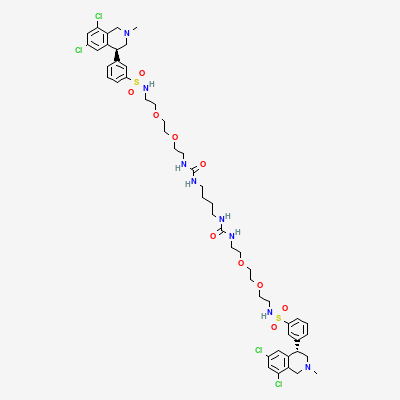
tenapanor

Sodium/hydrogen exchanger isoform 3 (NHE3) inhibitor · Prosecretory agent; Laxative
START
IBS-C: 50 mg PO BID before breakfast/dinner; CKD-HD: 30 mg BID
TYPICAL MAX
100 mg/day (IBS-C)
STOP IF
Severe diarrhoea / dehydration
WATCH
Hydration / electrolytes; phosphate (CKD); contraindicated <6 y
CDSCO approvedATC A06AX08
Dose laddermg/d
30CKD start50IBS-C100max/day
Renal dose adjustmenteGFR mL/min/1.73m²
FULLNo dose adjustment (not absorbed)90

KDIGO 2024 + manufacturer label

Pharmacokineticsplasma · t hours
1dONSET1wPEAK36s12hDURATION
ONSET
1d · stool effect
PEAK
1w · 1-wk benefit
36s · not absorbed
DURATION
12h · BID
EXCRETION
Faecal — essentially unchanged
route + CYP
INTERACTIONS
1 major
SEVERE in our sources
PREGNANCY
Limited data; minimal systemic absorption — likely low risk.
FDA category + note
Top interactionssee all 5
  • Childrens MedicationsSevereDatabaseKimi deep-research + Cla

Mechanism

Minimally absorbed small molecule that inhibits intestinal NHE3, reducing absorption of sodium (and indirectly phosphate); increases stool fluid (constipation relief in IBS-C) and lowers serum phosphate (CKD/dialysis).

Indications

Constipation-predominant irritable bowel syndrome (IBS-C)Hyperphosphataemia in adults with chronic kidney disease on dialysis

Dosing

Adult
IBS-C: 50 mg PO twice daily immediately before breakfast and dinner. Hyperphosphataemia (CKD-HD): 30 mg PO twice daily before meals, titrate to phosphate response.
Pediatric
Contraindicated <6 y; ≥6 y not established.
Renal adjustment
No adjustment (minimally absorbed).
Hepatic adjustment
No adjustment.
Geriatric
Standard adult dose.
Max dose
100 mg/day (IBS-C); ~60 mg/day (hyperphosphataemia)

Pharmacokinetics

Onset
Constipation relief within 1 week; phosphate lowering over weeks
Peak effect
Local intestinal effect (sustained while dosing)
Duration
~12 h (twice-daily)
Half-life
Not measurable (minimal systemic exposure)
Bioavailability
<0.5% systemic
Protein binding
Not applicable
Metabolism
Not metabolised systemically
Excretion
Mainly faecal (essentially unchanged)

Contraindications

  • Children <6 years (severe dehydration risk; boxed warning)
  • Known/suspected bowel obstruction
  • Hypersensitivity

Side effects

Common
DiarrhoeaAbdominal pain / distensionFlatulenceHeadache
Serious
  • Severe dehydration (especially paediatric — boxed)
  • Severe diarrhoea / electrolyte loss
  • Severe hypersensitivity

Pregnancy & lactation

Pregnancy

Limited data; minimal systemic absorption — likely low risk.

Lactation

Limited data; minimal systemic absorption.

Drug interactions

Childrens Medications
Severe
Database

Severe dehydration in young children

Do not use <6 y

Source: Kimi deep-research + Cla

Diuretics
Moderate
Database

Additive dehydration/electrolyte loss

Monitor hydration/electrolytes

Source: Kimi deep-research + Cla

Oatp2b1 Substrates
Moderate
Database

Tenapanor inhibits intestinal OATP2B1

Separate dosing by ≥4 h

Source: Kimi deep-research + Cla

Other Laxatives
Moderate
Database

Additive bowel-motility / fluid effect

Avoid stacking

Source: Kimi deep-research + Cla

Phosphate Binders
Moderate
Database

Additive phosphate lowering (intended)

Combination used in resistant cases

Source: Kimi deep-research + Cla

Related guidelines

Ask House about tenapanor

Continue into a citation-backed clinical answer with the drug context already attached.

Sources: Goodman & Gilman 14e·Verified: 2026-05-20 · House clinical team·Cockpit curated: 2026-05-20