Drug lookup
Drug reference

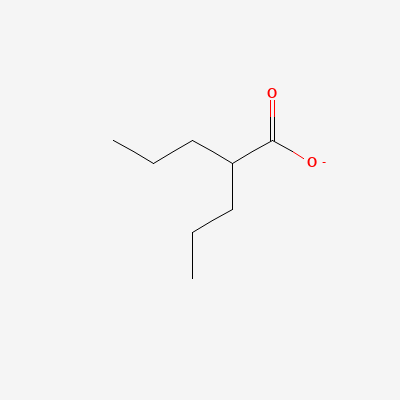
Valproate

Broad-spectrum antiepileptic / mood stabiliser (valproate sodium / sodium valproate) · Antiepileptic

Also known as Valproic Acid, Sodium Valproate, Divalproex Sodium
START
Epilepsy 600 mg/day divided, titrate by 200 mg q3 days; mania ~20–30 mg/kg/day
TYPICAL MAX
~2.5 g/day (≈60 mg/kg/day)
STOP IF
Hepatotoxicity (lethargy/jaundice/↑LFTs), pancreatitis, hyperammonaemic encephalopathy, pregnancy (non-epilepsy)
WATCH
Baseline + periodic LFTs (esp. first 6 months), amylase/lipase if abdominal pain, ammonia if encephalopathy, platelets, pregnancy-prevention programme
CDSCO approvedJan AushadhiNPPA price-controlledATC N03AG01
Dose laddermg/d
600start/day1ktitrate2kmax2.5kceiling/day
Renal dose adjustmenteGFR mL/min/1.73m²
FULLNo dose adjustment at any eGFR (interpret levels cautiously — free fraction rises in uraemia)90

KDIGO 2024 + manufacturer label

Pharmacokineticsplasma · t hours
2hONSET3hPEAK13h12hDURATION
ONSET
2h · absorption
PEAK
3h · Cmax (IR)
13h · plasma t½
DURATION
12h · BID interval
EXCRETION
Hepatic glucuronidation/oxidation; renal metabolites
route + CYP
INTERACTIONS
12 major
SEVERE in our sources
PREGNANCY
Contraindicated for migraine and bipolar; in epilepsy only if no effective alternative — highest-risk AED (NTDs, ~10% major malformations, reduced IQ); pregnancy-prevention programme mandatory
FDA category + note
Top interactionssee all 12
  • CelecoxibSevereTextbook-citedKDT 7e · p949
  • DiclofenacSevereTextbook-citedKDT 7e · p949
  • IbuprofenSevereTextbook-citedKDT 7e · p949
  • IndomethacinSevereTextbook-citedKDT 7e · p949
Available in India

17 branded formulations. Look up specific brands in the Drugs workspace.

Jan Aushadhi — generic available at GoI pharmacies

Mechanism

Increases brain GABA (GABA-transaminase inhibition), blocks voltage-gated sodium and T-type calcium channels and has histone deacetylase inhibition — broad anticonvulsant, antimanic and migraine-prophylactic activity.

Indications

Generalised and focal epilepsy (incl. absence, myoclonic, tonic-clonic)Bipolar disorder — acute mania/maintenanceMigraine prophylaxis

Dosing

Adult
Epilepsy: 600 mg/day in 1–2 divided doses, increase by 200 mg every 3 days to 1–2 g/day (max 2.5 g/day). Mania: 750 mg/day or ~20–30 mg/kg, titrate to response/levels.
Pediatric
10–15 mg/kg/day titrated to 25–40 mg/kg/day (specialist).
Renal adjustment
No specific adjustment (free fraction may rise — interpret levels with caution).
Hepatic adjustment
Contraindicated in significant hepatic dysfunction.
Geriatric
Lower dose; reduced clearance, sedation, hyponatraemia.
Max dose
~2.5 g/day (epilepsy); ~60 mg/kg/day

Pharmacokinetics

Onset
Anticonvulsant over days; antimanic ~1–2 weeks
Peak effect
IR Cmax 1–4 h (formulation-dependent)
Duration
BID dosing (MR once–twice daily)
Half-life
~9–16 h (shorter with enzyme-inducers)
Bioavailability
~90–100%
Protein binding
~80–90% (saturable — free fraction rises at high levels/hypoalbuminaemia/uraemia)
Metabolism
Hepatic (glucuronidation, beta-/omega-oxidation; not CYP-dependent)
Excretion
Renal (metabolites; little unchanged)

Contraindications

  • Pregnancy for migraine/bipolar (absolute) and epilepsy unless no alternative (highly teratogenic) — pregnancy prevention programme
  • Hepatic disease / significant hepatic dysfunction or family history of severe drug hepatotoxicity
  • Mitochondrial disorders (POLG mutations, e.g. Alpers–Huttenlocher)
  • Urea cycle disorders
  • Known hypersensitivity to valproate

Side effects

Common
Nausea/GI upsetTremorWeight gain, increased appetiteHair thinning/alopeciaSedation/dizziness, thrombocytopenia (dose-related)
Serious
  • Hepatotoxicity — potentially fatal (boxed; highest risk <2 years, polytherapy, metabolic disease)
  • Teratogenicity — neural tube/major defects + neurodevelopmental impairment (boxed)
  • Pancreatitis — including haemorrhagic/fatal (boxed)
  • Hyperammonaemic encephalopathy
  • Thrombocytopenia/coagulopathy; severe skin reactions (DRESS)

Pregnancy & lactation

Pregnancy

Contraindicated for migraine and bipolar; in epilepsy only if no effective alternative — highest-risk AED (NTDs, ~10% major malformations, reduced IQ); pregnancy-prevention programme mandatory

Lactation

Low milk levels — generally considered compatible with infant monitoring (hepatic/haematologic)

Drug interactions

Celecoxib
Severe
Textbook-cited

Valproate toxicity (tremor, sedation, hepatotoxicity).

Avoid concurrent use; use paracetamol as substitute

Source: KDT 7e · p949

Diclofenac
Severe
Textbook-cited

Valproate toxicity (tremor, sedation, hepatotoxicity).

Avoid concurrent use; use paracetamol as substitute

Source: KDT 7e · p949

Ibuprofen
Severe
Textbook-cited

Valproate toxicity (tremor, sedation, hepatotoxicity).

Avoid concurrent use; use paracetamol as substitute

Source: KDT 7e · p949

Indomethacin
Severe
Textbook-cited

Valproate toxicity (tremor, sedation, hepatotoxicity).

Avoid concurrent use; use paracetamol as substitute

Source: KDT 7e · p949

Ketorolac
Severe
Textbook-cited

Valproate toxicity (tremor, sedation, hepatotoxicity).

Avoid concurrent use; use paracetamol as substitute

Source: KDT 7e · p949

Mefenamic Acid
Severe
Textbook-cited

Valproate toxicity (tremor, sedation, hepatotoxicity)

Avoid concurrent use; use paracetamol as substitute

Source: KDT 7e · p949

Naproxen
Severe
Textbook-cited

Valproate toxicity (tremor, sedation, hepatotoxicity).

Avoid concurrent use; use paracetamol as substitute

Source: KDT 7e · p949

Piroxicam
Severe
Textbook-cited

Valproate toxicity (tremor, sedation, hepatotoxicity)

Avoid concurrent use; use paracetamol as substitute

Source: KDT 7e · p949

Stiripentol
Severe
Textbook

2- to 3-fold increase in valproate concentrations.

Reduction of doses may be necessary to avoid toxicity. Initiation of adjunctive therapy should be gradual with frequent plasma monitoring.

Source: G&G 14e · p402

Aspirin
Severe
Database

Displacement from protein binding + metabolism inhibition → raised free valproate

Avoid; monitor free valproate/toxicity

Source: Kimi deep-research + Cla · p949

Lamotrigine
Severe
Database

Valproate inhibits lamotrigine glucuronidation → toxicity/severe rash

Halve lamotrigine dose; very slow titration

Source: Kimi deep-research + Cla

Phenytoin
Severe
Database

Marked and sustained increases in free phenytoin.

Measure free rather than total phenytoin.

Related guidelines

Ask House about Valproate

Continue into a citation-backed clinical answer with the drug context already attached.

Sources: KD Tripathi 7e, Goodman & Gilman 14e, Harrison 22e, Katzung·Verified: 2026-05-19 · House clinical team·Cockpit curated: 2026-05-19