Drug lookup
Drug reference

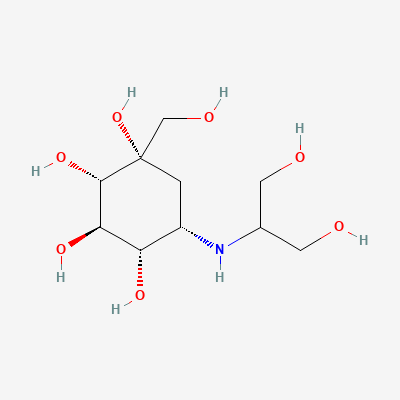
Voglibose

Alpha-glucosidase inhibitor · Antidiabetic

Also known as Vogli, Volibo, Voglix, Voglinorm, Prandial, Diabose

START
0.2 mg with each main meal (chew with first bite of food); explain GI side effects are expected
TYPICAL MAX
0.3 mg TDS (0.9 mg/day)
STOP IF
Persistent severe GI symptoms, signs of intestinal obstruction, jaundice
WATCH
HbA1c at 3-monthly intervals, postprandial glucose, GI tolerance, weight
CDSCO approvedJan AushadhiNPPA price-controlledATC A10BF03
Dose laddermg/d
0.2start0.3ceiling
Renal dose adjustmenteGFR mL/min/1.73m²
FULLNo renal adjustment needed; acts locally with minimal absorption090

KDIGO 2024 + manufacturer label

Pharmacokineticsplasma · t hours
0sONSET1hPEAK0s3hDURATION
ONSET
0s · Immediate local action with first bite of meal
PEAK
1h · Peak effect during meal digestion
0s · N/A - local action, minimal systemic absorption
DURATION
3h · Covers postprandial period
EXCRETION
Fecal (~99%, local action)
route + CYP
INTERACTIONS
none in our sources
PREGNANCY
Not recommended in pregnancy; limited safety data
FDA category + note
Available in India

583 branded formulations and 52 fixed-dose combinations. Look up specific brands in the Drugs workspace.

Jan Aushadhi — generic available at GoI pharmacies

Mechanism

Competitive inhibition of intestinal alpha-glucosidase enzymes (maltase, sucrase, glucoamylase) in the brush border, delaying carbohydrate digestion and absorption, thereby reducing postprandial glucose excursions

Indications

Type 2 diabetes mellitus (adjunct to diet and exercise)Prediabetes / impaired glucose tolerance (in some markets)Prevention of type 2 diabetes progression

Dosing

Adult
0.2 mg three times daily with meals (start of each meal); may increase to 0.3 mg TDS if needed
Pediatric
Not recommended in children under 18 years
Renal adjustment
No dose adjustment needed; minimal systemic absorption
Hepatic adjustment
No adjustment needed for mild-moderate; caution in severe
Geriatric
Start at 0.2 mg TDS; monitor for GI adverse effects
Max dose
0.9 mg/day (0.3 mg TDS)

Pharmacokinetics

Onset
Immediate (acts locally in GI tract)
Peak effect
Postprandial glucose reduction evident at first meal
Duration
Duration of meal digestion (several hours)
Half-life
N/A (minimal systemic absorption; acts locally)
Bioavailability
<1% (negligible systemic absorption)
Protein binding
N/A
Metabolism
Minimal; locally metabolized by intestinal microbiota
Excretion
Fecal (~99%); renal (<1%)

Contraindications

  • Inflammatory bowel disease
  • Colonic ulceration
  • Partial intestinal obstruction or predisposition to intestinal obstruction
  • Severe hepatic impairment
  • Hypersensitivity to voglibose
  • Severe ketosis, diabetic coma, pre-coma states

Side effects

Common
FlatulenceAbdominal distensionDiarrheaSoft stoolsAbdominal pain
Serious
  • Hepatotoxicity (elevated LFTs, rare)
  • Intestinal obstruction (rare)
  • Hypoglycemia (when combined with sulfonylureas or insulin)
  • Severe allergic reactions (rare)

Pregnancy & lactation

Pregnancy

Not recommended in pregnancy; limited safety data

Lactation

Minimal systemic absorption makes transfer to breast milk unlikely; generally considered compatible with breastfeeding

Drug interactions

Beta Blockers (non Selective, E.g., Propranolol)
Moderate
Database

Delayed recognition of hypoglycemia, potentially leading to severe hypoglycemia

Educate patient on atypical signs of hypoglycemia. Monitor blood glucose closely, especially when initiating or adjusting doses of either drug.

Epinephrine
Moderate
Database

Reduced efficacy of voglibose, potential for hyperglycemia

Monitor blood glucose closely. Adjust antidiabetic therapy as needed.

Glucocorticoids (e.g., Prednisolone)
Moderate
Database

Reduced efficacy of voglibose, potential for hyperglycemia

Monitor blood glucose closely. May require increased dose of voglibose or other antidiabetic agents, or initiation of additional antidiabetic therapy.

Insulin
Moderate
Database

Increased risk of hypoglycemia

Monitor blood glucose closely. Consider reducing insulin dose when initiating voglibose or if hypoglycemia occurs.

Phenytoin
Moderate
Database

Reduced efficacy of voglibose, potential for hyperglycemia

Monitor blood glucose closely. May require increased dose of voglibose or other antidiabetic agents.

Sulfonylureas
Moderate
Database

Additive glucose lowering increases hypoglycemia risk; must treat hypoglycemia with glucose (not sucrose)

If hypoglycemia occurs, use pure glucose/dextrose; sucrose will not work due to enzyme blockade

Source: Kimi deep-research + Cla

Thiazide Diuretics (e.g., Hydrochlorothiazide)
Moderate
Database

Reduced efficacy of voglibose, potential for hyperglycemia

Monitor blood glucose closely. May require increased dose of voglibose or other antidiabetic agents.

Digestive Enzyme Preparations
Moderate
Database

Digestive enzymes counteract alpha-glucosidase inhibition

Avoid concurrent use

Source: Kimi deep-research + Cla

Metformin
Mild
Database

Complementary mechanisms; additive glycemic benefit without increased hypoglycemia risk

Beneficial combination; standard monitoring

Source: Kimi deep-research + Cla

Oral Contraceptives
Mild
Database

Potential for slightly reduced efficacy of voglibose, mild hyperglycemia

Monitor blood glucose. Dose adjustment of voglibose is usually not required but may be considered if glycemic control deteriorates.

Thiazolidinediones (e.g., Pioglitazone)
Mild
Database

Enhanced glycemic control, low risk of hypoglycemia

Generally well-tolerated. Monitor blood glucose. Dose adjustments usually not required unless hypoglycemia occurs.

Activated Charcoal
Mild
Database

May reduce local effectiveness

Avoid concurrent use

Source: Kimi deep-research + Cla

Related guidelines

Ask House about Voglibose

Continue into a citation-backed clinical answer with the drug context already attached.

Sources: KD Tripathi 7e, Katzung·Verified: 2026-05-19 · House clinical team·Cockpit curated: 2026-05-19