Drug lookup
Drug reference

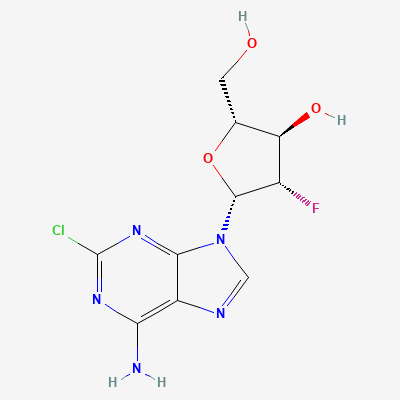
Clofarabine

Antineoplastic purine nucleoside analogue · Anticancer
START
52 mg/m² IV over 2 h daily ×5 days per cycle
TYPICAL MAX
52 mg/m²/day ×5 days (≈50% reduction if CrCl 30–60)
STOP IF
Capillary leak/SIRS, severe hepatotoxicity, or AKI
WATCH
CBC, LFTs, renal function, fluid status, tumour lysis labs
CDSCO approvedSchedule HATC L01BB06
Dose laddermg/d
26renal-reduced52mg/m² dose
Renal dose adjustmenteGFR mL/min/1.73m²
FULLStandard dosing60REDUCEReduce dose ~50%30AVOIDAvoid — limited data90

KDIGO 2024 + manufacturer label

Pharmacokineticsplasma · t hours
6minONSET2hPEAK5h2wDURATION
ONSET
6min · infusion start
PEAK
2h · end infusion
5h ·
DURATION
2w · cycle interval
EXCRETION
Renal ~49–60% unchanged
route + CYP
INTERACTIONS
12 major
SEVERE in our sources
PREGNANCY
Can cause fetal harm — avoid; effective contraception required.
FDA category + note
Top interactionssee all 12
  • AdalimumabSevereDatabaseDDInter
  • BaricitinibSevereDatabaseDDInter
  • CertolizumabSevereDatabaseDDInter
  • CidofovirSevereDatabaseDDInter

Mechanism

Intracellularly phosphorylated to clofarabine triphosphate, which inhibits DNA polymerase and ribonucleotide reductase and disrupts mitochondrial membrane integrity — terminating DNA synthesis and inducing apoptosis in leukaemic blasts.

Indications

Relapsed/refractory paediatric acute lymphoblastic leukaemia (after ≥2 prior regimens)

Dosing

Adult
ALL (1–21 y): 52 mg/m² IV over 2 h once daily for 5 consecutive days, repeated every 2–6 weeks per recovery.
Pediatric
As above (primary population, 1–21 years).
Renal adjustment
Reduce dose ~50% if CrCl 30–60; avoid/limited data if <30.
Hepatic adjustment
Caution; hold for hepatic toxicity (transaminase/bilirubin rise).
Geriatric
Limited data (paediatric drug).
Max dose
52 mg/m²/day for 5 days per cycle

Pharmacokinetics

Onset
Cytoreduction over the 5-day cycle
Peak effect
End of infusion
Duration
Cycle every 2–6 weeks (recovery-dependent)
Half-life
~5 h (terminal)
Bioavailability
IV 100%
Protein binding
~47%
Metabolism
Minimal hepatic; intracellular phosphorylation
Excretion
Renal (~49–60% unchanged)

Contraindications

  • Severe hypersensitivity
  • Caution: significant renal/hepatic impairment, pre-existing cardiac disease

Side effects

Common
Nausea/vomitingDiarrhoeaFebrile neutropeniaRashHeadacheTachycardia
Serious
  • Severe myelosuppression
  • Capillary leak syndrome / SIRS
  • Hepatotoxicity (VOD/SOS)
  • Acute kidney injury
  • Tumour lysis syndrome
  • Cardiac dysfunction

Pregnancy & lactation

Pregnancy

Can cause fetal harm — avoid; effective contraception required.

Lactation

Contraindicated during therapy.

Drug interactions

Adalimumab
Severe
Database

Drug interaction classified as: synergy

Source: DDInter

Baricitinib
Severe
Database

Drug interaction classified as: synergy

Source: DDInter

Certolizumab
Severe
Database

Drug interaction classified as: synergy

Source: DDInter

Cidofovir
Severe
Database

Drug interaction classified as: synergy

Source: DDInter

Cladribine
Severe
Database

Drug interaction classified as: synergy

Source: DDInter

Clozapine
Severe
Database

Drug interaction classified as: synergy

Source: DDInter

Deferiprone
Severe
Database

Drug interaction classified as: synergy

Source: DDInter

Diatrizoate
Severe
Database

Drug interaction classified as: synergy

Source: DDInter

Etanercept
Severe
Database

Drug interaction classified as: synergy

Source: DDInter

Fingolimod
Severe
Database

Drug interaction classified as: synergy

Source: DDInter

Golimumab
Severe
Database

Drug interaction classified as: synergy

Source: DDInter

Hepatotoxic Drugs
Severe
Database

Additive hepatotoxicity (VOD risk)

Avoid; monitor LFTs closely

Source: Kimi deep-research + Cla

Related guidelines

Ask House about Clofarabine

Continue into a citation-backed clinical answer with the drug context already attached.

Sources: Goodman & Gilman 14e, BNF·Verified: 2026-05-20 · House clinical team·Cockpit curated: 2026-05-20