Additive cardiac/CNS toxicity
Avoid combination
Source: Kimi deep-research + Cla
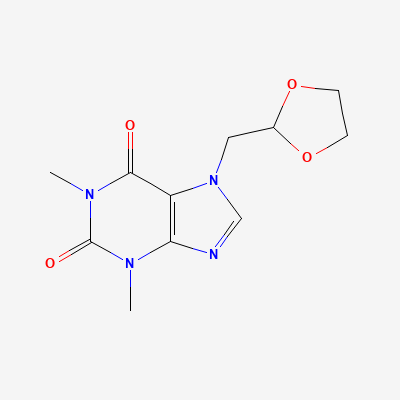
Methylxanthine bronchodilator (dioxolane analog) · Bronchodilator
KDIGO 2024 + manufacturer label
Methylxanthine that inhibits phosphodiesterase III/IV (less adenosine antagonism than theophylline), producing bronchodilation; lower CNS / cardiac toxicity than theophylline.
Limited data; use only if clearly needed.
Limited data; caution.
Additive cardiac/CNS toxicity
Avoid combination
Source: Kimi deep-research + Cla
Increased plasma concentrations of doxofylline, leading to an increased risk of adverse effects.
Monitor for increased doxofylline adverse effects. Consider a doxofylline dose reduction, especially with higher doses of allopurinol.
Increased plasma concentrations of doxofylline, leading to an increased risk of adverse effects such as nausea, vomiting, headache, and CNS stimulation.
Monitor for increased doxofylline adverse effects. Consider a doxofylline dose reduction or choose an alternative H2-receptor antagonist (e.g., ranitidine, famotidine) that has less CYP inhibition.
Increased xanthine levels
Monitor; reduce dose
Source: Kimi deep-research + Cla
Antagonism of bronchodilation
Use cardioselective β-blocker if needed
Source: Kimi deep-research + Cla
Increased plasma concentrations of doxofylline, potentially leading to enhanced therapeutic effects and an increased risk of adverse reactions.
Monitor for increased doxofylline adverse effects. Consider a doxofylline dose reduction or choose an alternative macrolide antibiotic (e.g., azithromycin) with less CYP inhibition.
Significantly increased plasma concentrations of doxofylline, leading to an increased risk of adverse effects such as nausea, vomiting, headache, and CNS stimulation.
Avoid concomitant use if possible. If co-administration is necessary, significantly reduce the doxofylline dose and closely monitor for adverse effects. Consider an alternative antidepressant.
Increased lithium clearance
Monitor lithium levels
Source: Kimi deep-research + Cla
Decreased plasma concentrations of doxofylline, potentially leading to reduced therapeutic efficacy.
Monitor for reduced doxofylline efficacy. An increase in doxofylline dose may be required. Close monitoring is essential, especially when phenobarbital is initiated or discontinued.
Decreased plasma concentrations of doxofylline, potentially leading to reduced therapeutic efficacy.
Monitor for reduced doxofylline efficacy. An increase in doxofylline dose may be required. Close monitoring is essential, especially when phenytoin is initiated or discontinued.
Increased plasma concentrations of doxofylline, leading to an increased risk of adverse effects.
Monitor for increased doxofylline adverse effects. Consider a doxofylline dose reduction. If possible, consider an alternative beta-blocker with less CYP inhibition.
Decreased plasma concentrations of doxofylline, potentially leading to reduced therapeutic efficacy.
Monitor for reduced doxofylline efficacy. An increase in doxofylline dose may be required. Close monitoring is essential, especially when rifampicin is initiated or discontinued.
Continue into a citation-backed clinical answer with the drug context already attached.
Sources: Goodman & Gilman 14e·Verified: 2026-05-20 · House clinical team·Cockpit curated: 2026-05-20