Drug lookup
Drug reference

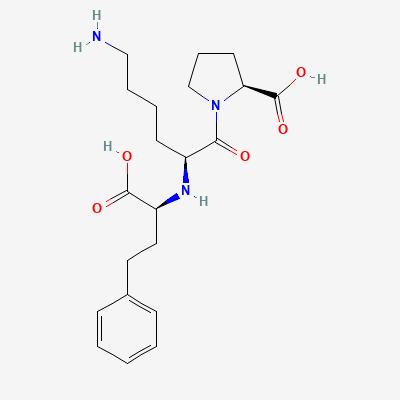
Lisinopril

Angiotensin-converting enzyme (ACE) inhibitor · Antihypertensive
START
Check baseline creatinine, potassium, BP. Hold diuretics 2-3 days before if possible (to reduce first-dose hypotension). Assess for bilateral renal artery stenosis risk.
TYPICAL MAX
80mg/day. Most BP benefit achieved at 20-40mg. ACE inhibitors have flat dose-response for renal protection—higher doses not better for kidneys.
STOP IF
Angioedema, K+ >6.0 mmol/L, SCr increase >30% from baseline, anaphylaxis, pregnancy, bilateral renal artery stenosis confirmed.
WATCH
Creatinine and potassium at 1-2 weeks, then every 3-6 months. Cough occurs in 10-20%—switch to ARB if intolerable. Risk of hyperkalemia increased with potassium supplements, K-sparing diuretics, NSAIDs. Black patients have higher ACEI cough and angioedema risk but same BP efficacy.
CDSCO approvedSchedule HATC C09AA03
Dose laddermg/d
2.5start5titrate10titrate20titrate40titrate80Absolute max
Renal dose adjustmenteGFR mL/min/1.73m²
FULLStandard dosing30REDUCEStart 2.5-5mg; titrate …10REDUCE2.5mg dail…90

KDIGO 2024 + manufacturer label

Pharmacokineticsplasma · t hours
1.5hONSET7hPEAK12h1dDURATION
ONSET
1.5h · Onset 1-2 hours
PEAK
7h · Tmax 6-8 hours
12h · t½ ~12 hours; effective 30h
DURATION
1d · 24 hours (QD)
EXCRETION
Renal unchanged (100%)
route + CYP
INTERACTIONS
12 major
incl. contraindicated
PREGNANCY
Contraindicated in 2nd and 3rd trimesters—causes fetal oligohydramnios, renal failure, skull hypoplasia, death. Discontinue immediately if pregnancy detected. First trimester: limited data; generally avoid.
FDA category + note
Top interactionssee all 12
  • AliskirenContraindicatedDatabaseDDInter
  • Sacubitril ValsartanContraindicatedDatabaseKimi deep-research + Cla · p602
  • Sacubitril/valsartan (entresto)ContraindicatedDatabase
  • AminoglycosidesSevereTextbookG&G 14e
Available in India

103 branded formulations. Look up specific brands in the Drugs workspace.

Mechanism

Competitively inhibits ACE, blocking conversion of angiotensin I to angiotensin II (potent vasoconstrictor). Also inhibits degradation of bradykinin (contributes to cough and angioedema side effects). Reduces aldosterone secretion, systemic vascular resistance, blood pressure, and afterload.

Indications

HypertensionHeart failure with reduced ejection fraction (HFrEF)Post-myocardial infarction (LV dysfunction)Diabetic nephropathy / CKD progression prevention (type 1 and 2 diabetes)Prevention of stroke and MI (high cardiovascular risk)

Dosing

Adult
Hypertension: 10mg PO daily initially, titrate every 1-2 weeks to 20-40mg daily (max 80mg). HFrEF: 2.5-5mg PO daily, titrate to 20-40mg daily. Post-MI: 5mg within 24h, then 5mg after 24h, 10mg after 48h, then 10mg daily. Diabetic nephropathy: 10-20mg daily.
Pediatric
≥6 years (hypertension): 0.07mg/kg once daily (max 5mg), titrate to 0.61mg/kg (max 40mg).
Renal adjustment
CrCl 10-30: reduce initial dose to 2.5-5mg; titrate cautiously. CrCl <10: 2.5mg daily; titrate carefully.
Hepatic adjustment
No adjustment (renal elimination).
Geriatric
Start 2.5-5mg daily; slower titration; monitor renal function and potassium.
Max dose
80mg/day

Pharmacokinetics

Onset
1-2 hours
Peak effect
Tmax 6-8 hours; antihypertensive peak at 4-6 weeks; duration 24 hours
Duration
24 hours (QD dosing)
Half-life
~12 hours (accumulates with repeated dosing; effective half-life ~30 hours)
Bioavailability
~25% (not affected by food)
Protein binding
~25%
Metabolism
NOT metabolized (eliminated unchanged—unique among ACE inhibitors)
Excretion
100% unchanged in urine

Contraindications

  • History of ACE inhibitor-induced angioedema
  • Hereditary or idiopathic angioedema
  • Bilateral renal artery stenosis
  • Pregnancy (second and third trimesters)
  • Concomitant aliskiren use in diabetes
  • Severe aortic stenosis

Side effects

Common
Dry cough (10-20%—bradykinin-related, not dose-dependent)DizzinessHyperkalemiaFatigueHeadacheNauseaElevated creatinine (expected with initiation)
Serious
  • Angioedema (potentially fatal—higher risk in Black patients and those with prior episodes)
  • Severe hypotension (first-dose, especially with diuretics)
  • Acute kidney injury (bilateral renal artery stenosis, severe CHF, dehydration)
  • Hyperkalemia (>6.0 mmol/L)
  • Agranulocytosis (rare)
  • Hepatotoxicity (rare)
  • Anaphylactoid reactions during dialysis or apheresis

Pregnancy & lactation

Pregnancy

Contraindicated in 2nd and 3rd trimesters—causes fetal oligohydramnios, renal failure, skull hypoplasia, death. Discontinue immediately if pregnancy detected. First trimester: limited data; generally avoid.

Lactation

Excreted in breast milk in very small amounts; compatible with breastfeeding per AAP. Infant exposure negligible.

Drug interactions

Aliskiren
Contraindicated
Database

Increased risk of hypotension, hyperkalemia, and renal impairment.

Avoid concomitant use.

Source: DDInter

Sacubitril Valsartan
Contraindicated
Database

Dual RAAS blockade + neprilysin inhibition markedly increases angioedema risk.

Stop ACEI ≥36 hours before starting sacubitril-valsartan.

Source: Kimi deep-research + Cla · p602

Sacubitril/valsartan (entresto)
Contraindicated
Database

Increased risk of angioedema, which can be life-threatening.

Contraindicated. A washout period of at least 36 hours is required between discontinuing lisinopril and initiating sacubitril/valsartan, and vice versa.

Aminoglycosides
Severe
Textbook

Increased risk and severity of renal impairment and nephrotoxicity.

Not explicitly stated, but implies careful monitoring of renal function and cautious co-administration.

Source: G&G 14e

Angiotensin Receptor Blockers
Severe
Textbook

Greater incidence of acute kidney injury (AKI) and adverse cardiac events.

The combination of these two classes should be avoided.

Source: Harrison 22e · p2396

Azilsartan
Severe
Textbook

Increased worsening of renal function, hypotension, syncope, and hyperkalemia without increased efficacy.

Not recommended for the treatment of hypertension. Previous studies indicate more harm than benefit.

Source: G&G 14e

Candesartan
Severe
Textbook

Increased worsening of renal function, hypotension, syncope, and hyperkalemia without increased efficacy.

Not recommended for the treatment of hypertension. Previous studies indicate more harm than benefit.

Source: G&G 14e

Dipeptidyl Peptidase Iv Inhibitor
Severe
Textbook

Increased risk of angioedema.

Avoid combination.

Source: G&G 14e · p600

Losartan + Hydrochlorothiazide
Severe
Textbook

Increased worsening of renal function, hypotension, syncope, and hyperkalemia without increased efficacy.

Not recommended for the treatment of hypertension. Previous studies indicate more harm than benefit.

Source: G&G 14e

Olmesartan + Amlodipine
Severe
Textbook

Increased worsening of renal function, hypotension, syncope, and hyperkalemia without increased efficacy.

Not recommended for the treatment of hypertension. Previous studies indicate more harm than benefit.

Source: G&G 14e

Olmesartan + Hydrochlorothiazide
Severe
Textbook

Increased worsening of renal function, hypotension, syncope, and hyperkalemia without increased efficacy.

Not recommended for the treatment of hypertension. Previous studies indicate more harm than benefit.

Source: G&G 14e

Olmesartan Medoxomil
Severe
Textbook

Increased worsening of renal function, hypotension, syncope, and hyperkalemia without increased efficacy.

Not recommended for the treatment of hypertension. Previous studies indicate more harm than benefit.

Source: G&G 14e

Related guidelines

Ask House about Lisinopril

Continue into a citation-backed clinical answer with the drug context already attached.

Sources: KD Tripathi 7e, Goodman & Gilman 14e, Harrison 22e, BNF·Verified: 2026-05-19 · House clinical team·Cockpit curated: 2026-05-19